Understanding Power of Attorney for Healthcare Decisions
Learn about the importance of a healthcare power of attorney in ensuring your medical wishes are respected.
Learn about the importance of a healthcare power of attorney in ensuring your medical wishes are respected.
Understanding Power of Attorney for Healthcare Decisions
What is a Healthcare Power of Attorney and Why Do You Need One?
Hey there! Let's talk about something super important, especially as we get older or if we have loved ones who are. It's called a Healthcare Power of Attorney, often shortened to HCPOA or sometimes referred to as a Durable Power of Attorney for Healthcare. Sounds a bit formal, right? But trust me, it's a game-changer. Essentially, it's a legal document where you (the “principal”) name someone you trust (your “agent” or “attorney-in-fact”) to make medical decisions for you if you ever become unable to make them yourself. Think about it: what if you're in an accident, or suddenly fall ill, and can't communicate your wishes? Who speaks for you? That's where an HCPOA steps in. It ensures your voice is heard, even when you can't speak. Without one, your family might face tough decisions, and even legal battles, trying to figure out what you would have wanted. It can lead to a lot of stress, disagreements, and even interventions by courts. So, having this document in place is not just about legalities; it's about peace of mind for you and your family.
Key Components of a Robust Healthcare Power of Attorney Document
So, what exactly goes into one of these documents? It's more than just naming a person. A good HCPOA will clearly outline the scope of your agent's authority. This includes things like consenting to or refusing medical treatments, accessing your medical records, and making decisions about life-sustaining treatment. It should also specify when the power becomes effective – usually when a doctor determines you lack the capacity to make your own decisions. You can also include specific instructions or preferences regarding your care. For example, you might state your wishes about artificial nutrition and hydration, resuscitation (DNR orders), or organ donation. The more detailed you are, the better your agent can honor your wishes. It's also crucial to name successor agents, just in case your primary agent is unable or unwilling to serve. Life happens, and having backups is always a smart move.
Choosing Your Healthcare Agent The Most Important Decision
Picking your healthcare agent is probably the most critical part of this whole process. This isn't just anyone; this is the person who will literally hold your life in their hands. They need to be someone you trust implicitly, someone who understands your values and wishes, and someone who can make tough decisions under pressure. They should also be able to communicate effectively with doctors and other healthcare providers. It's not always your spouse or eldest child. Sometimes, a close friend or another family member might be better suited if they are more level-headed or have a better grasp of your medical preferences. Have an open and honest conversation with your chosen agent. Make sure they understand the responsibility and are willing to take it on. Share your medical history, your beliefs about end-of-life care, and any specific desires you have. The more informed they are, the better they can advocate for you.
Comparing Healthcare Power of Attorney with Other Advance Directives Living Wills and DNR Orders
It's easy to get confused with all the different terms floating around. Let's clear things up. A Healthcare Power of Attorney is different from a Living Will, though they often work hand-in-hand. A Living Will (also known as an Advance Directive) is a document that specifically states your wishes regarding medical treatment at the end of life, especially concerning life-sustaining procedures. It's your direct instructions. An HCPOA, on the other hand, designates a person to make decisions for you, which can include interpreting your Living Will or making decisions not covered by it. A Do Not Resuscitate (DNR) order is a specific medical order that tells healthcare professionals not to perform CPR if your heart stops or you stop breathing. While you can express your DNR wishes in an HCPOA or Living Will, a formal DNR order is typically signed by a doctor and placed in your medical chart. All these documents are part of a comprehensive advance care plan, and ideally, you should have all of them in place to ensure your wishes are fully respected.
The Legalities State Specific Requirements and Notarization
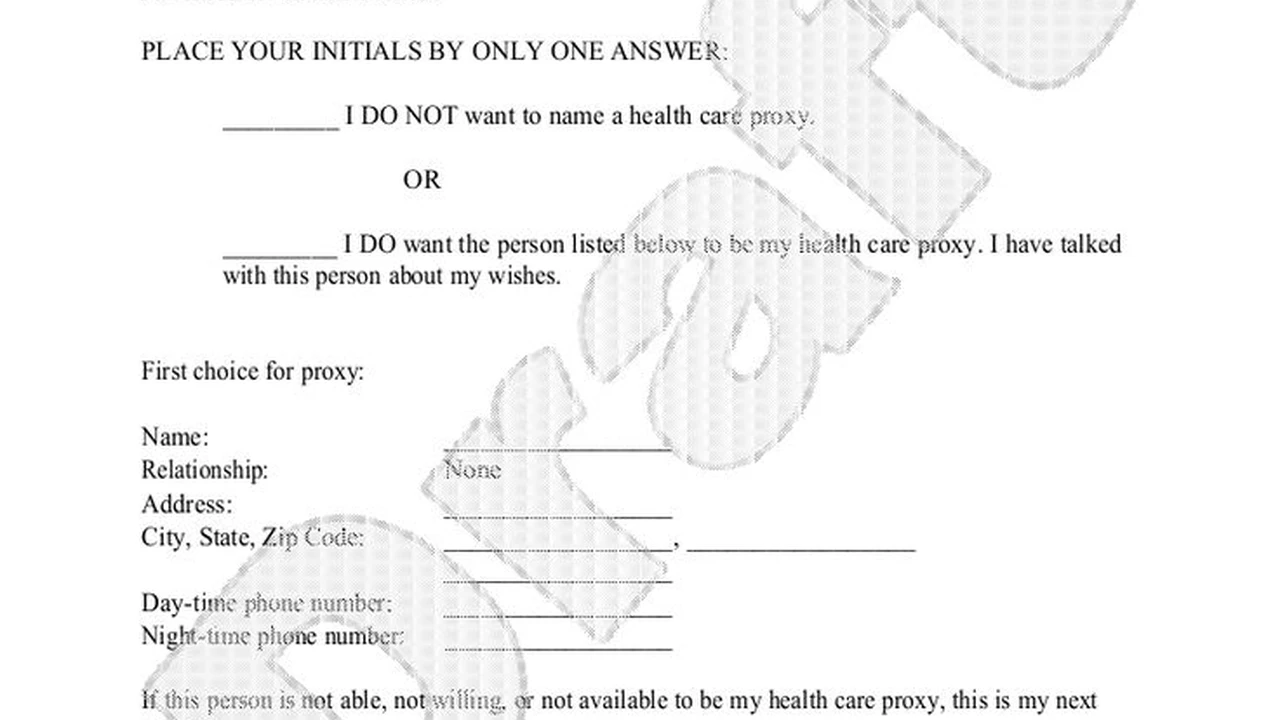
Okay, let's get into the nitty-gritty legal stuff. Healthcare Power of Attorney laws vary by state, both in the US and in different countries in Southeast Asia. It's crucial to ensure your document complies with the specific requirements of your jurisdiction. Generally, an HCPOA needs to be in writing, signed by you, and witnessed by a certain number of people (often two, who are not your agent or beneficiaries). In many places, it also needs to be notarized. Notarization adds an extra layer of authenticity, confirming your identity and that you signed the document voluntarily. While you can find generic forms online, it's highly recommended to consult with an elder law attorney or an estate planning lawyer. They can ensure your document is legally sound, tailored to your specific needs, and valid in your state or country. This is not a DIY project where you want to cut corners.
When Does a Healthcare Power of Attorney Become Effective and How Can It Be Revoked?
Typically, an HCPOA becomes effective when a physician (or sometimes two physicians) determines that you lack the capacity to make your own healthcare decisions. This means you're unable to understand the nature and consequences of your medical condition and treatment options. Until then, you remain in control of your own medical choices. What if you change your mind? You absolutely can! An HCPOA can be revoked at any time, as long as you are of sound mind. You should do this in writing, clearly stating your intention to revoke the previous document, and ideally, inform your agent and healthcare providers. Destroying the old document and creating a new one is also a good practice. It's a living document, and your wishes might change over time, so review it periodically, especially after major life events like marriage, divorce, or the death of a loved one.
Practical Scenarios Where a Healthcare Power of Attorney Makes a Difference
Let's look at some real-world examples where an HCPOA can be invaluable. Imagine an elderly parent who suffers a sudden stroke and is unconscious. Without an HCPOA, doctors might be hesitant to perform certain procedures without family consent, and if family members disagree, it can lead to delays in critical care. With an HCPOA, the designated agent can immediately communicate the parent's wishes and authorize necessary treatments. Or consider a young adult involved in a serious car accident. Even if they're over 18, their parents might not automatically have the legal authority to make medical decisions for them. An HCPOA ensures that someone they trust can step in. It's not just for the elderly; anyone over 18 can benefit from having one. It's about being prepared for the unexpected and ensuring your autonomy is protected.
Discussing Your Healthcare Wishes with Family and Healthcare Providers
Having the document is one thing; making sure everyone knows about it is another. It's vital to have open and honest conversations with your family, especially your chosen agent, about your healthcare wishes. Don't wait for a crisis. Share your values, your preferences for end-of-life care, and what quality of life means to you. Provide copies of your HCPOA to your agent, your primary care physician, and any specialists you see regularly. Keep a copy in an easily accessible place at home, and consider carrying a card in your wallet that indicates you have an HCPOA and who your agent is. Some people even register their advance directives with state registries, if available. The more people who are aware of your wishes and your designated agent, the smoother things will be if a medical emergency arises.
Common Misconceptions About Healthcare Power of Attorney Debunked
There are a few myths floating around about HCPOAs. Let's bust them. Myth 1: Only elderly people need an HCPOA. False! As mentioned, any adult over 18 can benefit. Accidents and sudden illnesses don't discriminate by age. Myth 2: My spouse can automatically make medical decisions for me. Not always true. While spouses often have some implied authority, an HCPOA provides clear legal standing and avoids potential disputes, especially if there are other family members involved. Myth 3: Once I sign it, I lose control of my medical decisions. Absolutely not. The HCPOA only becomes effective if and when you are deemed unable to make your own decisions. Until then, you are fully in charge. Myth 4: A generic online form is good enough. While some forms might be legally valid, they might not fully capture your specific wishes or comply with all state-specific nuances. Consulting an attorney ensures it's tailored to you. Understanding these points can help you make informed decisions.
Specific Products and Services to Aid in Healthcare Power of Attorney Planning
While the core of an HCPOA is a legal document, several services and products can help you in the planning and execution process. These aren't substitutes for legal advice but can be valuable tools.
Online Legal Document Services for Advance Directives
For those looking for a more affordable starting point, several online legal document services offer templates and guided processes for creating advance directives, including HCPOAs. These can be a good option for straightforward situations, but always remember to verify state-specific requirements and consider professional review.
- LegalZoom: A well-known platform that offers customizable legal documents, including Durable Powers of Attorney for Healthcare. They guide you through a questionnaire to create a document tailored to your state's laws.
- Rocket Lawyer: Similar to LegalZoom, Rocket Lawyer provides online legal document creation with a focus on ease of use. They offer a Healthcare Power of Attorney template that you can customize and download.
- Trust & Will: This service specializes in estate planning documents, including HCPOAs and Living Wills. They offer a more comprehensive approach to advance directives and often include attorney support for an additional fee.
Usage Scenario: These services are best for individuals who have a clear understanding of their wishes, have relatively simple family dynamics, and are comfortable with a guided online process. They are often more cost-effective than hiring an attorney for the entire process, with prices typically ranging from $39 to $199 for a single document or as part of a larger estate plan package.
Comparison: LegalZoom and Rocket Lawyer are generally more budget-friendly and user-friendly for basic documents. Trust & Will offers a slightly more robust and specialized approach to estate planning, which might be beneficial if you're looking to create a full suite of documents.
Advance Care Planning Kits and Workbooks
Beyond just the legal document, there are resources designed to help you think through and articulate your wishes. These kits often include discussion guides, checklists, and forms to help you organize your thoughts before creating the legal document.
- The Conversation Project Starter Kit: This free, downloadable kit from a non-profit organization provides prompts and questions to help you talk with your loved ones about your end-of-life care wishes. It's not a legal document itself but an invaluable tool for preparation.
- Five Wishes: This is a comprehensive advance directive document that meets the legal requirements in most US states. It goes beyond medical treatment to address personal, emotional, and spiritual needs. It's available for purchase online.
Usage Scenario: These are excellent for anyone who wants to thoroughly explore their preferences and have meaningful conversations with family and healthcare providers before formalizing their HCPOA. The Conversation Project is free, while Five Wishes typically costs around $5 for a single document.
Comparison: The Conversation Project is more of a discussion guide, while Five Wishes is a legally recognized document that incorporates a broader range of personal wishes than a standard HCPOA. Both are highly recommended for thoughtful planning.
Secure Digital Storage and Sharing Services for Advance Directives
Once you have your HCPOA, how do you ensure it's accessible when needed? Digital storage and sharing services can be incredibly helpful.
- DocuBank: This service allows you to store your advance directives (including HCPOA) securely online. They provide a wallet card with an emergency access number, allowing hospitals to retrieve your documents 24/7.
- Everplans: While a broader digital estate planning platform, Everplans allows you to securely upload and organize all your important documents, including your HCPOA, and share them with trusted individuals.
Usage Scenario: These services are ideal for ensuring your documents are readily available to your agent and healthcare providers during an emergency, especially if you travel frequently or have multiple healthcare providers. DocuBank typically costs around $35-65 per year, while Everplans offers various subscription tiers, often starting around $75 per year.
Comparison: DocuBank is highly specialized for advance directives and emergency access. Everplans offers a more comprehensive solution for organizing all aspects of your estate and personal information, with advance directives being one component.
Legal Counsel and Attorney Services
For complex situations, or simply for peace of mind, engaging an attorney specializing in elder law or estate planning is the gold standard.
- Local Elder Law Attorneys: These professionals can draft a customized HCPOA, ensure it complies with all state laws, and provide advice on how it integrates with your overall estate plan. They can also help navigate complex family dynamics or specific medical conditions.
- Online Attorney Consultations: Some online legal platforms (like LegalZoom or Rocket Lawyer) offer access to attorneys for consultations or document review, which can be a good hybrid option.
Usage Scenario: Highly recommended for anyone with significant assets, complex family situations, specific medical concerns, or those who simply want the assurance that their document is perfectly tailored and legally robust. Costs can vary widely, from a few hundred dollars for a standalone HCPOA to several thousand for a comprehensive estate plan.
Comparison: Direct legal counsel offers the highest level of customization and expert advice, ensuring all nuances are covered. Online consultations can be a more affordable way to get professional input on documents you've drafted yourself.
Regular Review and Updates for Your Healthcare Power of Attorney
Your life isn't static, and neither should your HCPOA be. It's not a set-it-and-forget-it document. Life events like marriage, divorce, the birth of children or grandchildren, or the death of a loved one can all impact who you'd want as your agent or what your medical wishes might be. Changes in your health status or medical treatments can also warrant an update. It's a good idea to review your HCPOA every few years, or whenever there's a significant life change. Make sure your chosen agent is still willing and able to serve, and that their contact information is up to date. Confirm that your wishes regarding medical care haven't changed. Keeping your document current ensures it accurately reflects your desires and remains effective when it's most needed. Think of it like regularly checking the oil in your car – a small effort now can prevent big problems down the road.
The Broader Impact of Advance Care Planning on Your Loved Ones
Beyond just your own peace of mind, having a well-thought-out HCPOA and other advance directives has a profound positive impact on your loved ones. It spares them the agonizing burden of making difficult decisions without knowing your wishes. It can prevent family disputes and reduce emotional stress during an already challenging time. When your agent knows exactly what you want, they can act confidently and advocate for you effectively, knowing they are honoring your autonomy. This act of planning is truly a gift to your family, allowing them to focus on supporting you rather than grappling with uncertainty and guilt. It's about ensuring your legacy of care is one of clarity and respect for your personal choices.
:max_bytes(150000):strip_icc()/277019-baked-pork-chops-with-cream-of-mushroom-soup-DDMFS-beauty-4x3-BG-7505-5762b731cf30447d9cbbbbbf387beafa.jpg)