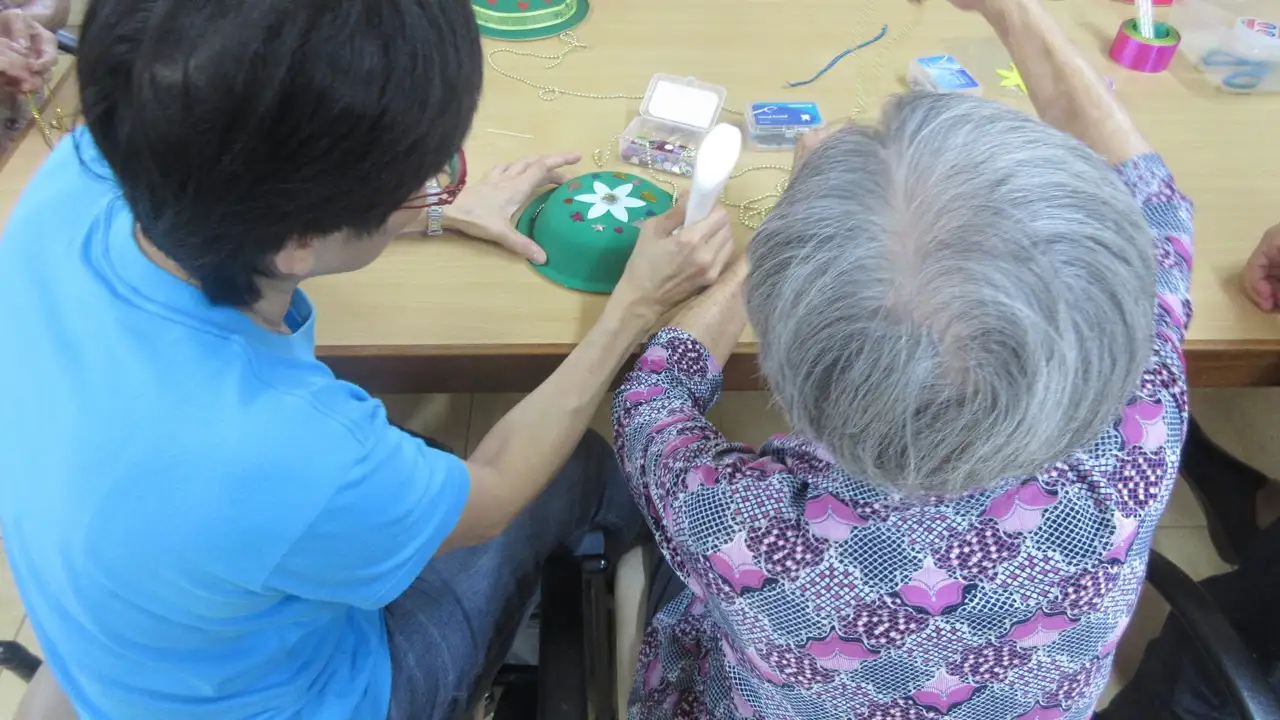
Transitioning to Assisted Living Tips for Families
Get practical advice and emotional support for families navigating the transition of a loved one to assisted living.
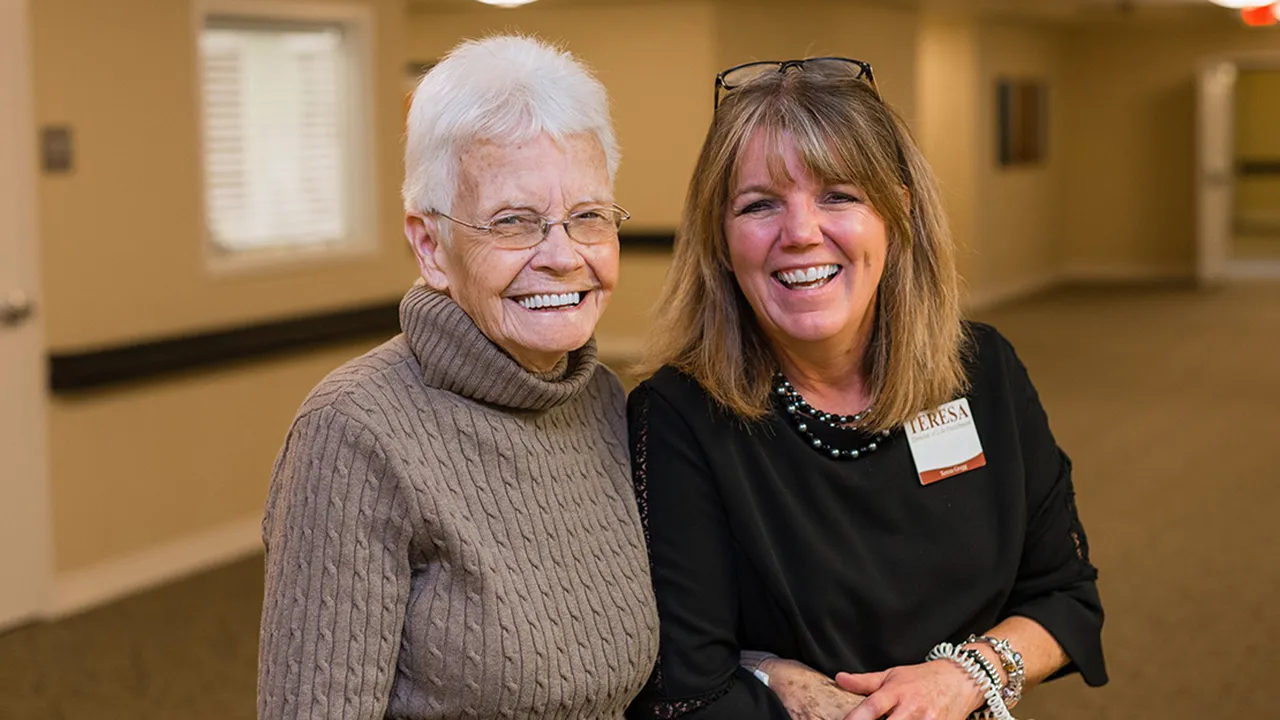
Get practical advice and emotional support for families navigating the transition of a loved one to assisted living. This comprehensive guide will walk you through every step, from initial conversations to settling in, offering product recommendations and financial insights to make the process smoother.
Transitioning to Assisted Living Tips for Families
Making the decision to move a loved one into assisted living is often one of the most challenging and emotionally charged choices a family can face. It's a significant life change, not just for the senior, but for everyone involved. The good news is, you're not alone, and with the right information and preparation, this transition can be managed with grace and confidence. This article is designed to be your go-to resource, offering practical advice, emotional support, and even some product recommendations to help ease the journey.
Understanding the Need for Assisted Living When to Consider the Move
Before diving into the 'how-to,' let's first address the 'why.' Recognizing the signs that assisted living might be beneficial is the first crucial step. It's not always a sudden event; often, it's a gradual accumulation of challenges. Look out for things like increased difficulty with Activities of Daily Living (ADLs) such as bathing, dressing, or eating. Are they struggling with Instrumental Activities of Daily Living (IADLs) like managing medications, preparing meals, or handling finances? Frequent falls, unexplained weight loss, social isolation, or a decline in personal hygiene are also significant red flags. It's about safety, well-being, and quality of life. If you're constantly worried about their safety at home, or if their current living situation is no longer sustainable, it's time to seriously consider assisted living. Remember, assisted living isn't about giving up independence; it's about gaining support to maintain a higher quality of life and greater safety.
Initiating the Conversation Talking About Assisted Living with Your Loved One
This is often the hardest part. Approaching the topic of assisted living can be met with resistance, fear, or even anger. Timing and approach are everything. Start early, before a crisis hits, if possible. Frame the conversation around their well-being, safety, and the benefits of a supportive community, rather than focusing on their perceived shortcomings. Use 'I' statements, like 'I'm worried about you when I'm not here,' instead of 'You can't manage anymore.' Involve them in the decision-making process as much as possible. Show them brochures, take them on tours, and let them voice their concerns. Sometimes, a neutral third party, like a doctor or a geriatric care manager, can help facilitate these discussions. Emphasize that this is about enhancing their life, not taking away their freedom. It's about finding a place where they can thrive with the right level of support.
Researching and Selecting the Right Assisted Living Community Finding the Perfect Fit
Once the conversation has begun, the research phase starts. This isn't a one-size-fits-all decision. You'll want to consider several factors: location (proximity to family, familiar areas), cost (more on this later), level of care provided (do they offer memory care if needed?), amenities (dining, activities, transportation), staff-to-resident ratio, and the overall atmosphere. Online resources like A Place for Mom or Caring.com can be incredibly helpful for finding communities in your desired area and reading reviews. Don't just rely on websites; visit multiple communities, ideally unannounced, to get a true feel for the environment. Talk to residents and their families if possible. Ask about staff turnover, emergency procedures, and how they handle medical needs. A good community will be transparent and welcoming of your questions. Look for a place that feels like home, where your loved one will feel comfortable and respected.
Financial Planning for Assisted Living Understanding the Costs and Funding Options
Assisted living can be a significant financial commitment, and understanding the costs upfront is crucial. Prices vary widely based on location, level of care, and amenities. Most assisted living communities charge a monthly fee, which often includes rent, meals, utilities, and some level of personal care. Additional services, like medication management or extensive personal care, might incur extra charges. Don't be afraid to ask for a detailed breakdown of all costs. Now, for funding options: private pay is the most common, often using savings, pensions, or the sale of a home. Long-term care insurance can be a lifesaver if your loved one has a policy. Veterans benefits, specifically the Aid and Attendance program, can provide financial assistance for eligible veterans and their spouses. Medicaid may cover some assisted living costs in certain states, but eligibility requirements are strict. Reverse mortgages can also be an option for homeowners to convert home equity into cash. It's highly recommended to consult with a financial advisor specializing in elder care to explore all available options and create a sustainable financial plan. They can help you navigate complex rules and maximize benefits.
Preparing for the Move Downsizing and Packing with Care
The physical act of moving can be overwhelming, especially when downsizing from a larger home. Start early and involve your loved one in the process as much as they are able. Focus on what they truly need and what will make their new space feel like home. Encourage them to bring cherished items, photos, and familiar furniture that will fit. This isn't just about decluttering; it's about preserving memories and creating a comforting environment. Consider hiring a senior move manager, a professional who specializes in helping older adults with the logistics of moving. They can assist with sorting, packing, coordinating movers, and even setting up the new apartment. This can significantly reduce stress for both the senior and the family. Remember, the goal is to create a familiar and comforting space in their new home.
The Moving Day and Settling In Making the Transition Smooth
Moving day itself can be chaotic, so having a clear plan is essential. Try to make the new apartment feel as familiar as possible as quickly as possible. Unpack essential items first, like toiletries, medications, and a few favorite comfort items. Help them arrange their furniture and hang pictures. Spend time with them during the first few days, but also encourage them to participate in community activities and meet new people. It's a delicate balance between providing support and fostering independence. Be patient; adjustment takes time. There might be moments of sadness, confusion, or even anger. Validate their feelings and reassure them that you're there for them. The staff at the assisted living community are also a valuable resource during this period, so don't hesitate to communicate with them about your loved one's needs and challenges.
Emotional Support for Families and Seniors Navigating the Feelings
This transition isn't just hard on the senior; it's often incredibly difficult for family members too. You might experience guilt, sadness, relief, or a mix of emotions. It's okay to feel all of these things. Seek support from other family members, friends, or support groups. Many assisted living communities offer family support groups or can recommend local resources. For your loved one, the emotional adjustment can be profound. They might grieve the loss of their old home and independence. Encourage them to talk about their feelings. Remind them of the benefits of their new environment – the safety, the social opportunities, the delicious meals they don't have to cook. Celebrate small victories, like making a new friend or enjoying an activity. Patience, empathy, and consistent communication are your most powerful tools.
Staying Connected and Involved Maintaining Family Bonds
Moving into assisted living doesn't mean you're handing over all responsibility. Your role simply shifts. Regular visits, phone calls, and video chats are crucial for maintaining strong family bonds. Participate in community events, if possible, and get to know the staff. Be an advocate for your loved one, ensuring their needs are being met and their voice is heard. Bring them their favorite snacks, read to them, or simply sit and chat. Encourage them to continue hobbies they enjoy, and if the community offers it, help them explore new ones. Your continued presence and involvement will provide comfort, reassurance, and a sense of continuity during this significant life change. Remember, you are still a vital part of their support system.
Product Recommendations for a Smoother Transition Enhancing Comfort and Safety
To make the transition and daily life in assisted living more comfortable and safer, here are a few product categories and specific examples that can be incredibly helpful. These are general recommendations, and you should always consider your loved one's specific needs and the community's policies.
Smart Home Devices for Enhanced Safety and Communication
- Amazon Echo Show 8 (or similar smart display): This device is fantastic for seniors. It allows for easy video calls with family, displaying photos, setting medication reminders, and even playing music or audiobooks with simple voice commands. The visual interface makes it more accessible than voice-only assistants.
- Google Nest Hub (or similar smart display): Similar to the Echo Show, the Nest Hub offers video calling, photo display, and voice-activated assistance. It integrates well with other Google smart home devices if you have them.
- Pros: Easy communication, medication reminders, entertainment, hands-free operation.
- Cons: Requires Wi-Fi, some seniors might find initial setup challenging (family assistance needed).
- Price Range: $70 - $150 USD.
- Usage Scenario: Placing it on a bedside table or in the living area for quick calls to family, checking the weather, or listening to news.
Personal Alert Systems for Peace of Mind
- Medical Guardian (Mobile Guardian or Home Guardian): Offers various options from mobile devices with GPS tracking to in-home systems with fall detection. The mobile units are great for active seniors who might leave their room or the facility.
- Life Alert: A well-known brand offering emergency response services with wearable buttons. They have both in-home and mobile options.
- Bay Alarm Medical: Provides medical alert systems with fall detection, GPS, and caregiver tracking apps. Their customer service is often highly rated.
- Pros: Immediate help in emergencies, fall detection, peace of mind for both senior and family.
- Cons: Monthly subscription fees, some seniors might resist wearing a device.
- Price Range: $20 - $60 USD per month for subscription, devices often included or a small one-time fee.
- Usage Scenario: Worn as a pendant or wristband, especially useful in bathrooms, at night, or when walking around the community.
Medication Management Tools for Accuracy and Compliance
- PillPack by Amazon Pharmacy: This service delivers pre-sorted medications in individual packets by dose and time, making it incredibly easy to manage complex medication schedules.
- MedMinder Automated Pill Dispenser: A smart pill dispenser that locks until the correct dose time, then dispenses the pills with visual and auditory alerts. It can also send alerts to family members if a dose is missed.
- GlowCap Smart Pill Bottle: A cap that fits onto standard pill bottles, providing light and sound reminders when it's time to take medication. It can also send alerts to caregivers.
- Pros: Reduces medication errors, simplifies complex schedules, provides reminders, offers caregiver alerts.
- Cons: Monthly fees for some services, requires setup and refilling.
- Price Range: PillPack is included with prescription costs; MedMinder $40 - $60 USD per month; GlowCap $10 - $20 USD per month.
- Usage Scenario: For seniors with multiple medications or those who struggle with remembering doses.
Comfort and Mobility Aids for Daily Living
- Adaptive Clothing (e.g., from Silvert's or Buck & Buck): Clothing designed with easy closures (Velcro, magnetic buttons) or open-back styles for easier dressing, especially for those with limited mobility or dexterity.
- Reacher Grabber Tool (e.g., Vive Suction Cup Reacher Grabber): Helps seniors retrieve items from high shelves or the floor without bending or stretching, reducing fall risk.
- Bed Rails (e.g., Stander EZ Adjust Bed Rail): Provides support for getting in and out of bed and prevents falls during sleep. Ensure the community allows them and they are properly installed.
- Non-Slip Socks/Slippers: Essential for preventing falls on smooth floors. Look for options with good grip.
- Pros: Increases independence, enhances safety, improves comfort.
- Cons: May require initial adjustment, some items might not be aesthetically pleasing to all.
- Price Range: Adaptive clothing $30 - $80 per item; Reacher Grabber $15 - $30; Bed Rails $50 - $100; Non-slip socks $10 - $20 for a multi-pack.
- Usage Scenario: Daily use for dressing, reaching items, getting in and out of bed, and general mobility within their apartment.
Entertainment and Engagement Devices for Quality of Life
- GrandPad Tablet: Specifically designed for seniors, with a simplified interface, large buttons, and pre-loaded apps for games, photos, video calls, and internet browsing. It often comes with a dedicated support team.
- Jitterbug Smart4 (or similar senior-friendly smartphone): Features a simple menu, large icons, and a dedicated urgent response button. It's designed to be easy to use for those who find regular smartphones too complex.
- Digital Photo Frame (e.g., Aura Carver or Nixplay): Allows family members to remotely upload photos, providing a constant stream of cherished memories for the senior.
- Pros: Promotes social connection, provides entertainment, easy to use, combats loneliness.
- Cons: GrandPad has a monthly subscription; Jitterbug requires a service plan; digital frames require Wi-Fi.
- Price Range: GrandPad $200 - $300 device, $40 - $60 per month subscription; Jitterbug Smart4 $100 - $150 device, $20 - $50 per month service; Digital Photo Frame $100 - $200.
- Usage Scenario: Staying connected with family, enjoying hobbies, playing brain-training games, or simply reminiscing with photos.
Remember, the goal of these products is to support your loved one's independence and enhance their quality of life in their new assisted living environment. Always check with the assisted living community about their policies regarding personal devices and modifications to the living space.
Embracing the New Chapter A Positive Outlook
Transitioning to assisted living is a journey, not a destination. There will be ups and downs, good days and challenging ones. But with careful planning, open communication, and a supportive family, it can be a positive new chapter for your loved one. It's an opportunity for them to live in a safe, engaging environment where their needs are met, and they can continue to thrive. Focus on the benefits: new friendships, engaging activities, delicious meals, and the peace of mind that comes from knowing they are well-cared for. Your role as a family member shifts from primary caregiver to advocate and loving support, allowing you to enjoy quality time together without the constant burden of caregiving responsibilities. Embrace this new phase with optimism and a commitment to making it the best possible experience for your loved one.
:max_bytes(150000):strip_icc()/277019-baked-pork-chops-with-cream-of-mushroom-soup-DDMFS-beauty-4x3-BG-7505-5762b731cf30447d9cbbbbbf387beafa.jpg)