Understanding Staff Training in Memory Care Facilities
Learn about the specialized training and expertise of staff in memory care, crucial for effective dementia support.
Learn about the specialized training and expertise of staff in memory care, crucial for effective dementia support.
Understanding Staff Training in Memory Care Facilities
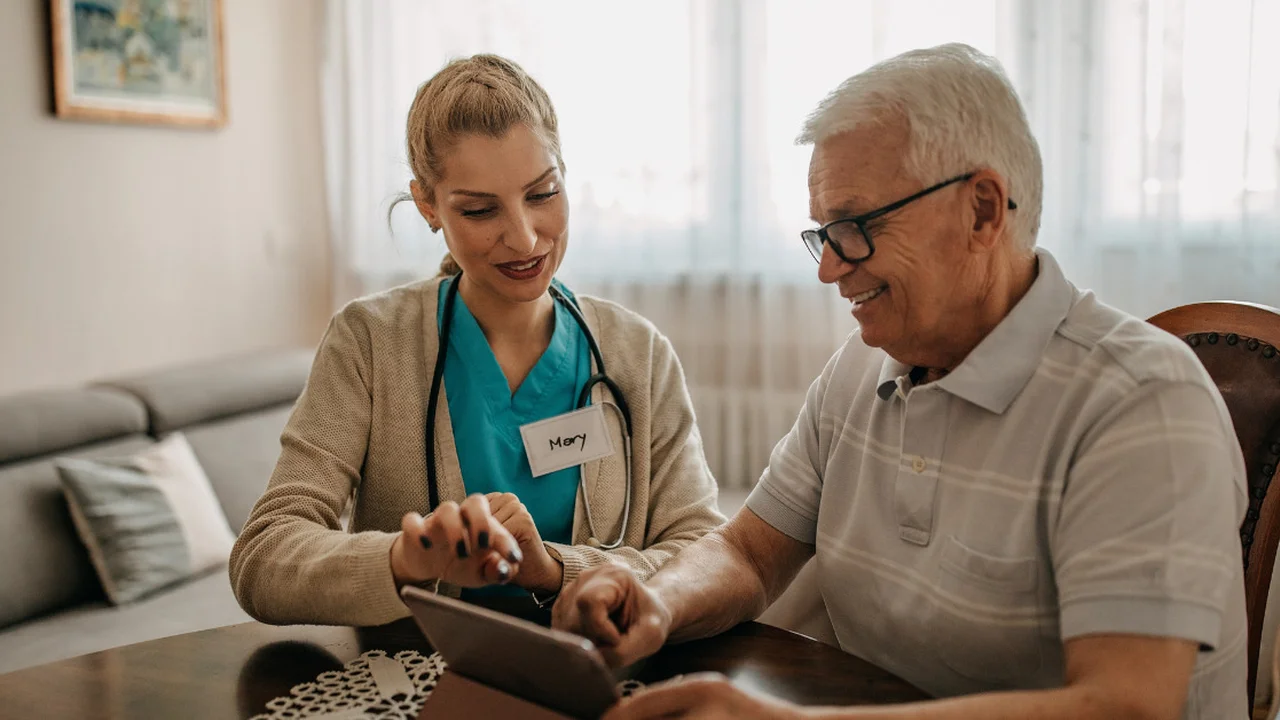
Hey there! If you're navigating the world of memory care for a loved one, you know how incredibly important it is to find the right place. And let's be honest, a huge part of what makes a memory care facility 'right' isn't just the building or the activities, but the people who work there. We're talking about the staff – the everyday heroes who provide direct care, support, and companionship to individuals living with dementia. Their training and expertise are absolutely crucial, and frankly, they can make all the difference in your loved one's quality of life. So, let's dive deep into what kind of specialized training you should expect and look for in memory care staff.
Why Specialized Training for Dementia Care Matters So Much
You might be thinking, 'Isn't all care pretty much the same?' And while compassion is universal, caring for someone with dementia is a whole different ballgame. Dementia isn't just about memory loss; it affects communication, behavior, judgment, and even physical abilities. A staff member who understands these complexities can provide care that is not only effective but also respectful and person-centered. Without specialized training, caregivers might inadvertently escalate challenging behaviors, misunderstand needs, or simply fail to connect with residents in meaningful ways. It’s about understanding the 'why' behind certain behaviors and responding with empathy and appropriate strategies, rather than just reacting.
Core Components of Essential Memory Care Staff Training Programs
So, what exactly should this specialized training entail? It's not just a one-day seminar; it's an ongoing process that covers a wide range of topics. Here are some of the core components you should expect to see in a well-trained memory care team:
Understanding Dementia Types and Progression
First and foremost, staff need a solid grasp of what dementia is. This includes understanding the different types – Alzheimer's disease, vascular dementia, Lewy body dementia, frontotemporal dementia, and so on – and how each can manifest. They should also be knowledgeable about the typical progression of these diseases, recognizing that symptoms change over time. This knowledge helps them anticipate needs, adapt care plans, and understand why a resident might be experiencing certain cognitive or behavioral changes. For example, knowing that someone with Lewy body dementia might experience hallucinations requires a different approach than caring for someone with typical Alzheimer's.
Effective Communication Strategies for Dementia Patients
Communication can be one of the biggest challenges in dementia care. Staff need to be trained in techniques that facilitate understanding and reduce frustration for both the resident and themselves. This includes:
- Simplifying language: Using short, clear sentences and avoiding jargon.
- Active listening: Paying attention to non-verbal cues and emotions.
- Validation therapy: Acknowledging and respecting the resident's reality, even if it differs from our own. For instance, if a resident believes it's 1970, validating their feeling rather than correcting them can prevent distress.
- Redirection: Gently guiding conversations or activities away from stressful topics.
- Using visual aids: Pictures, gestures, and written cues can be very helpful.
Behavioral Management Techniques for Challenging Behaviors
Let's face it, dementia can sometimes lead to behaviors that are challenging for caregivers – agitation, wandering, aggression, repetitive actions, or sundowning. Specialized training equips staff with non-pharmacological strategies to manage these behaviors effectively and compassionately. This isn't about 'controlling' residents, but about understanding the underlying unmet need or discomfort that might be driving the behavior. Training often includes:
- Identifying triggers: What causes a resident to become agitated? Is it noise, hunger, pain, or a change in routine?
- De-escalation techniques: How to calm a distressed resident without confrontation.
- Diversion and engagement: Shifting focus to enjoyable activities.
- Creating a supportive environment: Ensuring the physical space minimizes confusion and maximizes comfort.
Person-Centered Care Approaches in Memory Care
This is a cornerstone of modern memory care. Person-centered care means recognizing each resident as a unique individual with a personal history, preferences, and remaining abilities. Training in this area teaches staff to:
- Learn resident biographies: Understanding their past careers, hobbies, family life, and cultural background.
- Tailor activities: Designing activities that resonate with individual interests.
- Respect choices: Empowering residents to make decisions whenever possible.
- Focus on strengths: Highlighting what residents can still do, rather than what they've lost.
Safety Protocols and Emergency Preparedness in Dementia Settings
Safety is paramount in memory care. Staff must be thoroughly trained in:
- Wandering prevention: Understanding how to monitor residents and use secure environments effectively.
- Fall prevention: Implementing strategies to reduce fall risks.
- Medication management: Ensuring correct dosages and administration.
- Emergency procedures: What to do in case of fire, medical emergency, or other crises, specifically tailored for residents with cognitive impairment.
- Infection control: Especially critical in communal living environments.
Activities and Engagement for Cognitive Stimulation and Well-being
It's not just about basic care; it's about enriching lives. Staff should be trained to facilitate meaningful activities that stimulate cognitive function, encourage social interaction, and promote emotional well-being. This includes:
- Therapeutic activities: Art, music, reminiscence therapy, sensory stimulation.
- Physical activities: Gentle exercises, walking, gardening.
- Cognitive games: Puzzles, memory games, discussions.
- Adapting activities: Modifying tasks to suit varying cognitive levels.
Certifications and Ongoing Education for Memory Care Professionals
Beyond initial training, what else should you look for? Certifications and a commitment to ongoing education are huge indicators of a facility's dedication to quality care. Here are some key certifications and training programs:
Certified Dementia Practitioner CDP Certification
The Certified Dementia Practitioner (CDP) certification, offered by the National Council of Certified Dementia Practitioners (NCCDP), is a widely recognized credential. It signifies that a caregiver has completed a comprehensive training program covering various aspects of dementia care, including communication, behaviors, activities, and legal/ethical issues. Many facilities require their staff to obtain this certification, which is a great sign.
Alzheimer's Association essentiALZ Certification
The Alzheimer's Association offers the essentiALZ certification, which is based on their nationally recognized dementia care practice recommendations. This program provides training and certification for professional care providers, focusing on person-centered care, communication, and understanding behaviors. It's another excellent benchmark for staff expertise.
Specialized Training in Specific Dementia Approaches
Some facilities might also invest in training for specific, evidence-based approaches like the Teepa Snow Positive Approach to Care (PAC) or the Validation Method. These methodologies offer structured techniques for interacting with individuals with dementia in a way that reduces stress and promotes connection. If a facility mentions these, it indicates a deeper commitment to specialized care.
Continuous Professional Development and In-Service Training
Dementia care is an evolving field. The best facilities don't just train staff once; they provide regular in-service training, workshops, and access to new research. This ensures staff stay up-to-date with the latest best practices, new therapies, and emerging understanding of dementia. Ask about their ongoing education policy – it's a critical question!
Questions to Ask About Staff Training During Your Memory Care Tour
When you're touring memory care facilities, don't be shy about asking direct questions about staff training. Here are some key ones:
- What specific dementia care training do your staff receive?
- Are your staff required to obtain certifications like CDP or essentiALZ?
- How often do staff receive ongoing education or in-service training on dementia?
- What is your staff-to-resident ratio, especially during peak hours and overnight? (While not directly training, a good ratio allows trained staff to apply their skills effectively).
- How do you train staff to handle challenging behaviors? Can you give me an example?
- How do you ensure a person-centered approach to care for each resident?
- What is the turnover rate for your care staff? (High turnover can indicate issues with training or support).
Technology and Tools Supporting Trained Memory Care Staff
While human interaction and training are irreplaceable, technology can significantly enhance the capabilities of trained staff and improve resident care. Here are a few examples of products and their applications:
Smart Monitoring Systems for Enhanced Safety and Well-being
These systems help staff monitor residents discreetly and proactively, especially for wandering or falls. They don't replace human supervision but augment it.
- Product Example: SafelyYou
- Description: SafelyYou uses AI-powered video technology (privacy-focused, only triggered by potential falls) to detect falls and provide insights to staff. It helps reduce falls by up to 40% and minimizes unnecessary hospitalizations.
- Use Case: Staff receive real-time alerts for falls, allowing for immediate response. The system also provides video clips of fall events (without continuous recording) for staff to analyze and understand triggers, leading to better prevention strategies.
- Comparison: Unlike traditional pressure mats or wearable fall detectors that can have false alarms or be forgotten, SafelyYou offers passive, continuous monitoring with intelligent analysis.
- Estimated Price: Typically a subscription service for facilities, ranging from $50-$150 per resident per month, depending on the scale and features.
Digital Care Planning and Communication Platforms
These platforms streamline communication among staff, track resident progress, and ensure care plans are consistently followed.
- Product Example: Caremerge
- Description: Caremerge offers a suite of solutions including electronic health records (EHR), family engagement portals, and activity management. It helps centralize resident information and care plans.
- Use Case: Trained staff can quickly access a resident's care plan, medication schedule, dietary restrictions, and behavioral patterns. They can log observations, update care notes, and communicate seamlessly with other team members and even family members through a secure portal. This ensures everyone is on the same page and care is consistent.
- Comparison: More comprehensive than simple paper charts or basic scheduling software, Caremerge integrates multiple aspects of care management into one platform, reducing errors and improving efficiency.
- Estimated Price: Varies widely based on facility size and modules chosen, but typically starts from $200-$500 per month for smaller facilities, scaling up significantly for larger ones.
Therapeutic Activity and Engagement Tools
These tools help trained staff deliver engaging and cognitively stimulating activities, often tailored to individual needs.
- Product Example: Obie for Seniors (by Obie Technologies)
- Description: Obie is an interactive projection system that turns any surface into a playful, engaging experience. It offers a variety of games and activities designed for seniors, including those with cognitive impairments, promoting physical activity, cognitive stimulation, and social interaction.
- Use Case: Trained activity coordinators can use Obie to facilitate group activities or one-on-one sessions. For example, residents can 'play' with projected fish, solve puzzles, or engage in reminiscence activities, all adapted to their cognitive level. The interactive nature keeps residents engaged and provides opportunities for staff to observe and interact.
- Comparison: More dynamic and engaging than traditional board games or static puzzles, Obie offers a wide range of activities that can be easily adapted and are less intimidating for residents with dexterity issues.
- Estimated Price: Hardware purchase typically ranges from $3,000-$7,000, plus a monthly subscription for content and support, usually $50-$150 per month.
Wearable Devices for Health Monitoring and Location Tracking
These devices can provide valuable data to staff and offer an extra layer of safety.
- Product Example: AngelSense GPS Tracker for Dementia
- Description: AngelSense is a GPS tracking device specifically designed for individuals with dementia or cognitive impairments. It offers real-time location tracking, geofencing alerts, and even voice communication.
- Use Case: For residents prone to wandering, trained staff can monitor their location in real-time, receive alerts if they leave designated safe zones, and even communicate with them through the device. This provides peace of mind for families and allows staff to respond quickly in an emergency.
- Comparison: More robust and user-friendly for dementia patients than standard consumer GPS trackers, with features like automatic answering and tamper-proof design.
- Estimated Price: Device cost around $200-$300, plus a monthly service plan ranging from $30-$50.
Remember, these technologies are tools. Their effectiveness is amplified when used by well-trained staff who understand how to integrate them into a holistic, person-centered care plan. A facility that invests in both comprehensive staff training and supportive technology is often a strong contender for providing excellent memory care.
The Human Element The Heart of Memory Care
Ultimately, while certifications and technology are important, the human element remains the heart of memory care. The most effective staff are those who combine their specialized training with genuine compassion, patience, and a deep respect for each individual. They are the ones who can connect with residents on an emotional level, understand their unspoken needs, and bring moments of joy and comfort into their lives. When you're evaluating a memory care facility, pay close attention to how staff interact with residents. Do they seem engaged? Are they gentle and respectful? Do they smile and make eye contact? These observations, combined with a thorough understanding of their training, will help you make the best decision for your loved one.
:max_bytes(150000):strip_icc()/277019-baked-pork-chops-with-cream-of-mushroom-soup-DDMFS-beauty-4x3-BG-7505-5762b731cf30447d9cbbbbbf387beafa.jpg)