Independent Living with Continuing Care Retirement Communities
Understand how independent living fits into the continuum of care offered by Continuing Care Retirement Communities (CCRCs).
Understand how independent living fits into the continuum of care offered by Continuing Care Retirement Communities (CCRCs).
Independent Living with Continuing Care Retirement Communities
Hey there! Are you or a loved one thinking about senior living options? It can be a bit of a maze, right? One term you might have come across is 'Continuing Care Retirement Communities' or CCRCs. These places are pretty unique because they offer a whole spectrum of care, all in one spot. And guess what? Independent living is often the starting point for many residents in a CCRC. Let's dive in and explore what that means, why it's a fantastic option, and what you should keep an eye out for.
What Exactly is a Continuing Care Retirement Community CCRC?
So, what's the big deal with CCRCs? Imagine a community where you can start out living completely independently, enjoying all the perks of a vibrant senior lifestyle. But here's the kicker: as your needs change over time, whether it's needing a little help with daily tasks or more intensive medical care, you don't have to move. The care comes to you, or rather, you transition to a different level of care within the same community. This 'continuum of care' is the defining feature of a CCRC. It typically includes independent living, assisted living, skilled nursing care, and often memory care, all on one campus.
The Appeal of Independent Living in a CCRC Why Seniors Choose This Path
For many active seniors, independent living within a CCRC is incredibly appealing. It's about maintaining your freedom and lifestyle while gaining peace of mind for the future. You get to live in your own apartment or cottage, cook your own meals if you want, and come and go as you please. But you also have access to a ton of amenities and services that make life easier and more enjoyable. Think about it: no more worrying about home maintenance, yard work, or even cooking if you don't feel like it. Plus, there's a built-in social network, which is huge for staying engaged and happy.
Independent Living Amenities and Services What to Expect
When you opt for independent living in a CCRC, you're not just getting a place to live; you're getting a lifestyle. Most communities offer a wide array of amenities and services designed to enhance your daily life. Here's a rundown of what you can typically expect:
- Dining Options: From casual cafes to formal dining rooms, you'll usually have several choices for meals. Many CCRCs offer flexible dining plans.
- Fitness and Wellness Centers: Fully equipped gyms, swimming pools, and fitness classes tailored for seniors are common.
- Social and Recreational Activities: Think clubs, hobby groups, educational seminars, cultural outings, and social events. There's always something happening!
- Transportation Services: Scheduled transportation for appointments, shopping, and community events.
- Housekeeping and Maintenance: Say goodbye to chores! Most independent living options include regular housekeeping and all home maintenance.
- Security: 24/7 security and emergency call systems provide peace of mind.
- Concierge Services: Often available to help with various needs, from booking appointments to arranging transportation.
The Continuum of Care How Independent Living Connects to Future Needs
This is where the 'continuing care' part really shines. The biggest advantage of a CCRC is the guaranteed access to higher levels of care if and when you need them. You start in independent living, enjoying your active retirement. If, down the road, you need some assistance with daily activities like bathing, dressing, or medication management, you can transition to assisted living within the same community. Should a more serious health issue arise requiring round-the-clock medical supervision, skilled nursing care is available. And for those facing cognitive decline, many CCRCs also offer specialized memory care units.
This seamless transition means you don't have to go through the stressful process of finding a new facility, adapting to a new environment, and leaving your friends and familiar surroundings. It's a huge relief for both residents and their families.
Financial Models of CCRCs Understanding the Costs and Contracts
Alright, let's talk money. CCRCs typically involve a significant upfront entrance fee, followed by monthly service fees. The financial models can be a bit complex, so it's crucial to understand them. There are generally three main types of contracts:
Type A LifeCare Contract Comprehensive Care and Predictable Costs
This is the most comprehensive and often the most expensive option upfront. With a Type A contract, your entrance fee and monthly fees cover all levels of care (independent living, assisted living, skilled nursing, and memory care) at little or no additional cost, or at a substantially reduced rate, for as long as you need them. It offers the greatest predictability in future healthcare costs, which can be a huge relief for long-term financial planning. It's like having long-term care insurance built into your living arrangement.
Type B Modified Contract Some Care Included with Additional Fees
A Type B contract is a bit of a hybrid. It typically includes some assisted living and skilled nursing care at a reduced daily rate for a specified number of days or for a certain period. Once that period is exhausted, you'll pay market rates for additional care. The entrance fee and monthly fees are usually lower than a Type A contract, but your future healthcare costs are less predictable.
Type C Fee for Service Contract Pay as You Go for Higher Levels of Care
This contract type usually has the lowest entrance fee and monthly fees. However, if you need assisted living, skilled nursing, or memory care, you'll pay the full market rate for those services at the time you receive them. This option offers the least financial predictability for future care needs but can be attractive if you're confident you won't need extensive care or if you have other long-term care insurance in place.
Beyond these, some CCRCs might offer rental contracts with no entrance fee, but these are less common and typically don't guarantee access to the full continuum of care in the same way as the other contract types.
Choosing the Right CCRC Key Factors to Consider
Selecting a CCRC is a big decision, so take your time and do your homework. Here are some key factors to consider:
Location and Accessibility Proximity to Family and Services
Think about where the CCRC is located. Is it close to family and friends? Is it convenient for doctors' appointments, shopping, and other services you use regularly? Easy access to transportation and local amenities can significantly impact your quality of life.
Financial Stability and Accreditation Ensuring Long Term Security
This is super important. You're making a significant financial investment, so you want to ensure the CCRC is financially sound. Look for communities that are accredited by organizations like CARF-CCAC (Commission on Accreditation of Rehabilitation Facilities – Continuing Care Accreditation Commission). Accreditation indicates that the community meets high standards of quality and financial stability. Ask for financial statements and review them carefully, or have a financial advisor do so.
Culture and Community Fit Finding Your Tribe
Every CCRC has its own unique culture. Some are very active and social, others might be more quiet and serene. Spend time visiting, talking to residents, and participating in activities to get a feel for the community. Do you feel comfortable there? Do the residents seem happy and engaged? This 'fit' is crucial for your long-term happiness.
Healthcare Services and Staffing Quality of Care and Expertise
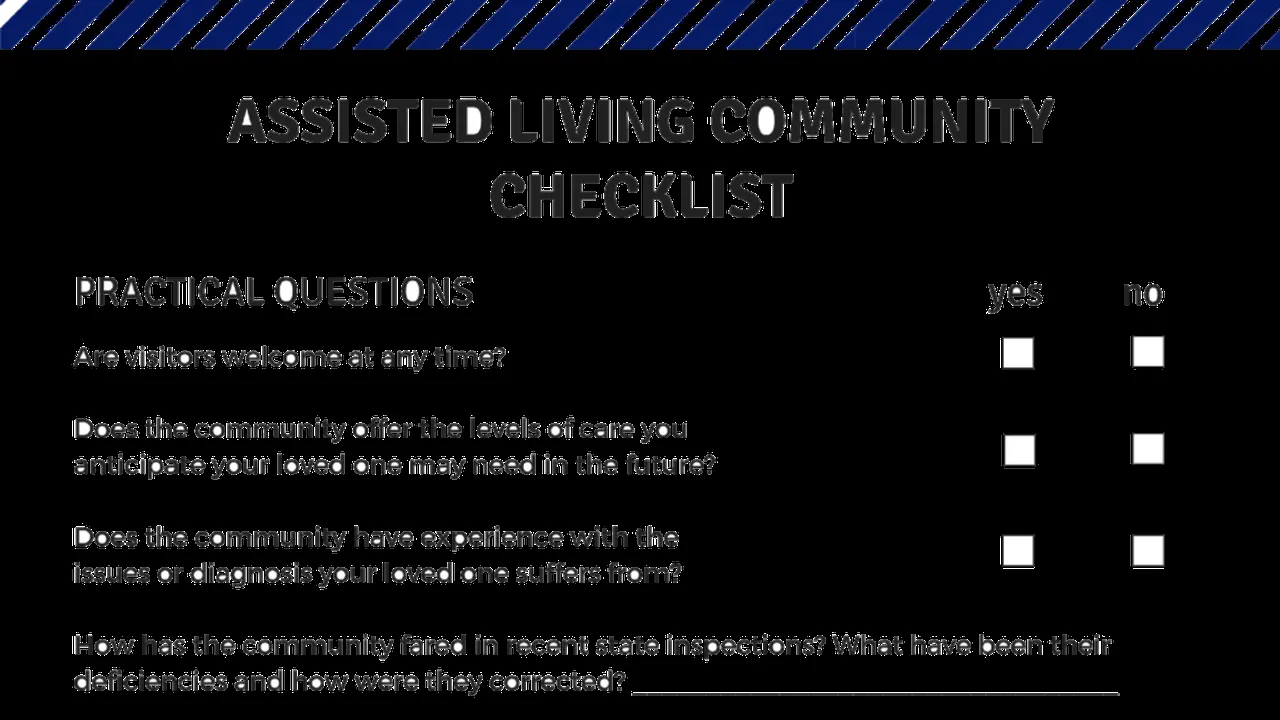
Even if you're starting in independent living, you'll want to know about the quality of the assisted living, skilled nursing, and memory care units. What are the staff-to-resident ratios? What are their qualifications? What medical services are available on-site? Ask about their emergency protocols and how they handle transitions between care levels.
Popular CCRC Providers and Their Offerings A Comparative Look
While I can't give you real-time pricing or specific product recommendations like a sales brochure, I can tell you about some of the well-known CCRC providers in the US and give you an idea of what they generally offer. Remember, specific communities within these networks will vary, so always do your local research!
Erickson Senior Living A Focus on Active Lifestyles
Erickson Senior Living is a large network with communities across several states. They are known for their vibrant, active independent living environments. They often feature extensive amenities like multiple dining venues, fitness centers, swimming pools, and a packed calendar of activities. Their financial model typically leans towards a Type B (Modified) contract, offering some included care with additional fees for extended services. They emphasize a maintenance-free lifestyle and a strong sense of community. For example, a community like Highlands at Pittsford in New York or Ashby Ponds in Virginia would be typical examples, offering a range of apartment styles and a focus on resident engagement. Entrance fees can range from $100,000 to over $500,000, with monthly fees from $2,000 to $5,000+, depending on location, apartment size, and services.
Sunrise Senior Living While Primarily Assisted Living Some CCRCs
While Sunrise is more widely known for its assisted living and memory care facilities, they do operate some communities that function as CCRCs, offering independent living alongside their other care levels. Their focus is often on personalized care and a warm, homelike environment. If you're looking at a Sunrise community that includes independent living, expect a strong emphasis on resident well-being and a range of social activities. Their contracts might vary, but often include fee-for-service components for higher levels of care. An example might be a larger campus that has distinct independent living sections. Pricing would be highly variable, but expect similar ranges to other providers for independent living, with assisted living and memory care costs added on a fee-for-service basis.
Brookdale Senior Living Diverse Options Across the Nation
Brookdale is one of the largest senior living providers in the US, with a vast portfolio that includes many CCRCs. They offer a wide range of independent living options, from apartments to cottages, and their communities often boast extensive amenities. Brookdale's contract types can vary significantly by community, so it's essential to inquire specifically about the contract type (Type A, B, or C) for any Brookdale CCRC you're considering. They often have a strong focus on resident programs and services. For instance, a community like Brookdale Lake Orienta in Florida or Brookdale Carmel Valley in California would offer independent living with a pathway to higher care. Entrance fees and monthly costs are broad, reflecting their diverse portfolio, but generally fall within the industry averages mentioned above.
Acts Retirement-Life Communities A Focus on LifeCare Contracts
Acts Retirement-Life Communities is a non-profit organization known for its commitment to the LifeCare (Type A) contract model. This means they offer comprehensive care with predictable costs, which is a significant draw for many seniors. Their communities are often well-established and have a strong reputation for quality care and a vibrant resident life. They typically offer a wide range of independent living residences and extensive amenities. An example would be Acts' Heron Point of Chestertown in Maryland or Acts' Indian River Estates in Florida. Due to the comprehensive nature of their contracts, entrance fees can be higher, often starting from $200,000 and going up to $800,000+, with monthly fees from $3,000 to $6,000+, but these fees cover future care needs more extensively.
Vi Living Luxury and High-End Amenities
For those seeking a more luxurious experience, Vi Living offers high-end CCRCs with exceptional amenities, gourmet dining, and a focus on hospitality. They often feature Type A (LifeCare) contracts, providing comprehensive care with a premium experience. Their communities are typically located in desirable areas and offer a sophisticated lifestyle. Think of places like Vi at Palo Alto in California or Vi at Bentley Village in Florida. Expect higher entrance fees, often starting from $500,000 and easily exceeding $1,000,000, with monthly fees ranging from $5,000 to $10,000+, reflecting the luxury level and comprehensive care.
When you're looking at these providers, remember to ask specific questions about:
- The exact contract type: Is it Type A, B, or C? What are the implications for future care costs?
- Entrance fee refundability: Is any portion of the entrance fee refundable to you or your estate? If so, under what conditions and timeline?
- Monthly fee increases: How often do monthly fees increase, and by how much on average?
- Included services: What exactly is covered in the monthly fee for independent living?
- Availability of care: Is there a waiting list for higher levels of care?
The Transition to a CCRC Making the Move Smoothly
Moving to a CCRC, even into independent living, is a big life change. It's normal to feel a mix of excitement and apprehension. Here are some tips to make the transition smoother:
Planning and Downsizing Decluttering for a New Chapter
Start early! Downsizing can be a huge undertaking. Go through your belongings systematically, deciding what to keep, donate, sell, or discard. Many CCRCs offer smaller living spaces, so you'll need to be selective. Consider hiring a professional downsizer or senior move manager to help with this process.
Engaging with the Community Before Moving In Building Connections
If possible, start participating in activities or dining at the CCRC before you even move in. This can help you meet residents and staff, get familiar with the layout, and feel more at home when the big day arrives. Many communities welcome prospective residents to join events.
Personalizing Your New Space Making it Feel Like Home
Once you move in, take the time to personalize your new apartment or cottage. Bring familiar furniture, photos, and decor that make the space feel like yours. This can significantly help with adjusting to a new environment.
Independent Living in Southeast Asia Emerging CCRC Models
While CCRCs are a more established concept in the US, they are an emerging trend in Southeast Asia, particularly in countries like Thailand, Malaysia, and Singapore. These regions are seeing a growing demand for senior living options, driven by an aging population and increasing affluence. The models might differ slightly, often incorporating local cultural preferences and healthcare systems.
For example, some developments in Thailand, like The Aspen Tree at The Forestias near Bangkok, are being designed as integrated senior living communities that offer a continuum of care, including independent living, assisted living, and specialized care. These often combine luxurious resort-style living with comprehensive healthcare services. Similarly, Malaysia has seen projects like Eden on the Park in Sarawak, which aims to provide a full spectrum of care. Singapore, with its high population density, focuses on vertical communities that integrate senior living with other residential and commercial spaces.
When considering CCRCs in Southeast Asia, it's even more crucial to research:
- Local regulations and licensing: Ensure the community is properly licensed and regulated by local authorities.
- Healthcare standards: Understand the quality and availability of medical staff and facilities.
- Cultural integration: How well does the community cater to both local and international residents?
- Repatriation options: If you're an expat, what are the provisions for medical emergencies or long-term care that might require returning to your home country?
The financial models in Southeast Asia might also vary, with some offering long-term leases or outright purchases of units, alongside monthly service fees. It's a dynamic and evolving market, so thorough due diligence is key.
The Future of Independent Living in CCRCs Innovation and Evolution
The world of senior living is constantly evolving, and CCRCs are no exception. We're seeing more innovation in independent living, with a greater focus on technology, personalized wellness programs, and intergenerational connections. Smart home technology is becoming more common, allowing residents to control their environment with ease and providing discreet monitoring for safety. Wellness programs are expanding beyond just physical fitness to include mental, emotional, and spiritual well-being. And some CCRCs are actively fostering connections with local schools and universities, creating opportunities for intergenerational learning and mentorship.
Ultimately, independent living within a CCRC offers a compelling blend of freedom, community, and security. It's a proactive choice for seniors who want to enjoy their retirement to the fullest, knowing that their future care needs are already addressed. It's about living life on your terms, with a safety net in place.
:max_bytes(150000):strip_icc()/277019-baked-pork-chops-with-cream-of-mushroom-soup-DDMFS-beauty-4x3-BG-7505-5762b731cf30447d9cbbbbbf387beafa.jpg)