The Benefits of Assisted Living for Seniors with Dementia
Learn how specialized assisted living programs provide supportive and safe environments for seniors with dementia.
The Benefits of Assisted Living for Seniors with Dementia
When a loved one receives a dementia diagnosis, it can be an incredibly challenging and emotional time for the entire family. As the condition progresses, the level of care required often exceeds what can be safely and effectively provided at home. This is where specialized assisted living programs, particularly those with dedicated memory care units, become an invaluable resource. These environments are specifically designed to offer supportive and safe spaces for seniors living with dementia, focusing on their unique needs and enhancing their quality of life.
Understanding Dementia and Its Impact on Daily Life
Dementia is an umbrella term for a range of progressive neurological disorders that affect memory, thinking, behavior, and the ability to perform everyday activities. Alzheimer's disease is the most common form, but other types include vascular dementia, Lewy body dementia, and frontotemporal dementia. As dementia progresses, individuals often experience:- Memory loss that disrupts daily life
- Challenges in planning or solving problems
- Difficulty completing familiar tasks
- Confusion with time or place
- Trouble understanding visual images and spatial relationships
- New problems with words in speaking or writing
- Misplacing things and losing the ability to retrace steps
- Decreased or poor judgment
- Withdrawal from work or social activities
- Changes in mood and personality
Why Specialized Assisted Living for Dementia is a Game Changer
Unlike general assisted living, memory care units within assisted living facilities are tailored to the specific needs of individuals with cognitive impairment. They offer a unique combination of safety, structure, specialized care, and engaging activities that are difficult to replicate in a home setting. Let's dive into the key benefits:Enhanced Safety and Security in Dementia Care Environments
Safety is paramount for individuals with dementia, who may be prone to wandering, falls, or forgetting to turn off appliances. Memory care units are designed with security in mind:- Secure Environments: These facilities often feature secured perimeters, alarmed doors, and enclosed outdoor spaces to prevent wandering and ensure residents remain safe within the community.
- 24/7 Supervision: Trained staff are always on hand to monitor residents, assist with daily tasks, and respond to emergencies. This constant oversight provides immense peace of mind for families.
- Fall Prevention Measures: Facilities are designed to minimize fall risks, with features like grab bars, non-slip flooring, and well-lit common areas. Staff are also trained in safe transfer techniques.
- Emergency Response Systems: Residents often have access to call buttons or wearable devices that alert staff in case of a fall or other emergency.
Specialized Training and Expertise of Dementia Care Staff
The staff in memory care units undergo specific training to understand and manage the complexities of dementia. This specialized knowledge is a significant advantage:- Dementia-Specific Training: Caregivers are trained in communication techniques tailored for individuals with cognitive impairment, behavior management strategies, and understanding the progression of different types of dementia.
- Patience and Empathy: Staff are selected not only for their skills but also for their patience, empathy, and ability to connect with residents on a personal level, even when communication is challenging.
- Behavioral Management: They are equipped to handle common dementia-related behaviors such as agitation, confusion, and sundowning, often using non-pharmacological interventions first.
- Personalized Care Plans: Each resident receives a personalized care plan that is regularly updated to reflect their changing needs, preferences, and abilities.
Structured Routines and Engaging Activities for Cognitive Health
Structure and routine are incredibly beneficial for individuals with dementia, helping to reduce anxiety and confusion. Memory care facilities excel at providing this, along with activities designed to stimulate cognitive function and promote well-being:- Consistent Daily Schedules: Regular meal times, activity schedules, and bedtime routines help residents feel secure and oriented.
- Therapeutic Activities: Programs are tailored to different stages of dementia and may include:
- Reminiscence Therapy: Using old photos, music, and objects to evoke memories and encourage conversation.
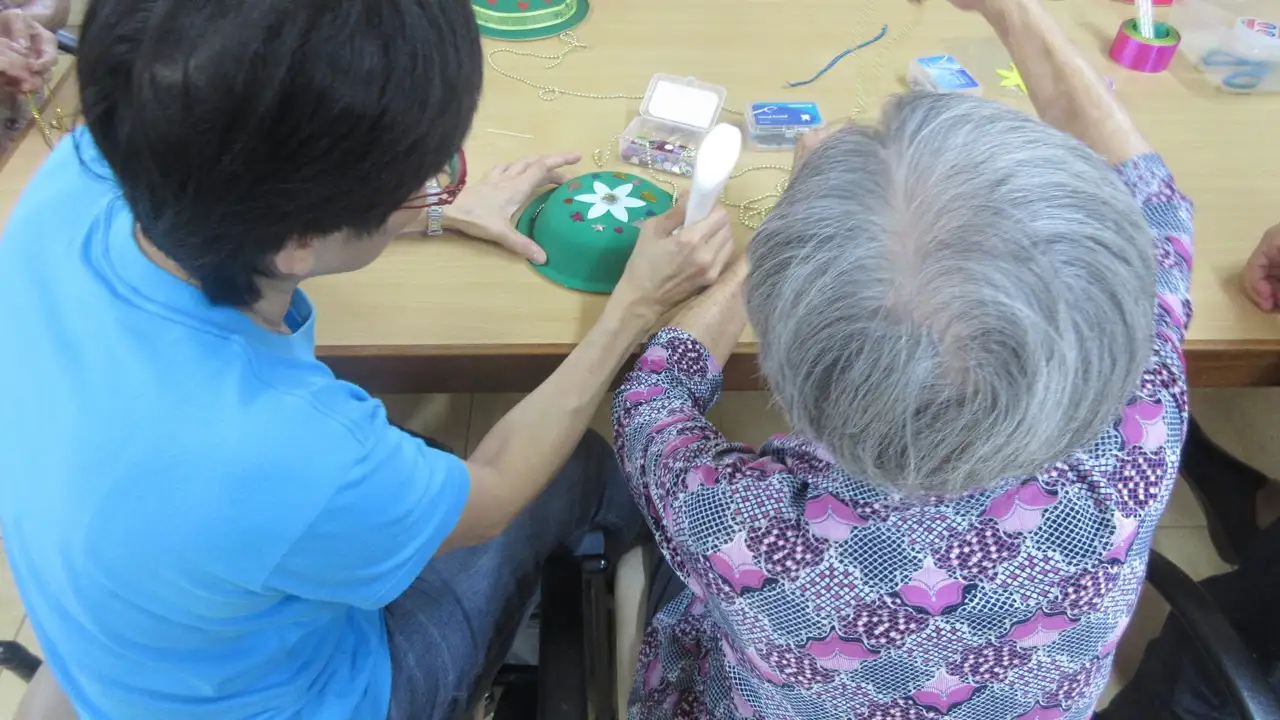
- Art and Music Therapy: Engaging creative expression to reduce stress and improve mood.
- Sensory Stimulation: Activities that engage the senses, such as aromatherapy, tactile games, or listening to calming sounds.
- Physical Exercise: Gentle exercises like walking, chair yoga, or dancing to maintain mobility and improve circulation.
- Cognitive Games: Puzzles, word games, and simple tasks designed to stimulate thinking and problem-solving.
- Social Interaction: Opportunities for residents to interact with peers and staff in a supportive environment, combating loneliness and isolation.
Nutritional Support and Medication Management for Dementia Patients
Proper nutrition and medication adherence are critical for individuals with dementia, but can be difficult to manage at home:- Balanced Meals: Facilities provide nutritious, balanced meals and snacks, often tailored to dietary restrictions or preferences. Staff can assist with eating if needed.
- Hydration Monitoring: Ensuring residents stay adequately hydrated is crucial, and staff actively encourage fluid intake.
- Medication Administration: Trained staff manage and administer medications precisely as prescribed, reducing the risk of errors or missed doses.
- Health Monitoring: Regular monitoring of residents' health, including vital signs and changes in condition, allows for early intervention if issues arise.
Support for Families and Caregivers Navigating Dementia
Placing a loved one in memory care is a significant decision, and facilities often provide support for families as well:- Caregiver Support Groups: Many facilities host support groups for families, offering a space to share experiences, gain advice, and find emotional support.
- Educational Resources: Families can access resources and workshops on understanding dementia, communication strategies, and navigating the care journey.
- Peace of Mind: Knowing that a loved one is in a safe, supportive, and expertly staffed environment can significantly reduce the stress and burden on family caregivers, allowing them to focus on quality time rather than caregiving tasks.
Choosing the Right Memory Care Facility Key Considerations
Selecting the best memory care facility for your loved one requires careful consideration. Here are some factors to keep in mind:Location and Accessibility for Family Visits
Consider how easy it will be for family members to visit regularly. Proximity to family can be a significant factor in maintaining connections and providing comfort to the resident.Staff to Resident Ratio and Caregiver Experience
A lower staff-to-resident ratio generally indicates more personalized attention. Inquire about the training and experience of the staff, particularly their expertise in dementia care.Facility Design and Environment for Cognitive Support
Look for a facility that is clean, well-maintained, and designed with the needs of dementia patients in mind. This includes clear signage, calming colors, secure outdoor spaces, and a home-like atmosphere.Activity Programs and Engagement Opportunities
Review the activity calendar to ensure there's a variety of engaging programs that cater to different interests and cognitive levels. Ask how activities are adapted for individual residents.Cost and Payment Options for Memory Care Services
Memory care can be expensive. Understand the pricing structure, what's included, and inquire about payment options, including long-term care insurance, VA benefits, or Medicaid eligibility.Reputation and Reviews of Dementia Care Providers
Research the facility's reputation. Read online reviews, ask for references, and check with local ombudsman programs for any complaints or concerns.Technology and Products Enhancing Dementia Care in Assisted Living
Modern memory care facilities often integrate technology and specialized products to further enhance the safety, engagement, and well-being of residents. Here are a few examples:Smart Monitoring Systems for Resident Safety and Well-being
These systems go beyond basic call buttons, offering more comprehensive oversight:- Wearable GPS Trackers: For residents prone to wandering, discreet GPS trackers can provide real-time location data, allowing staff to quickly locate them if they leave a secure area.
- Bed and Chair Alarms: These sensors alert staff when a resident attempts to get out of bed or a chair unassisted, reducing fall risks.
- Passive Monitoring Sensors: Non-intrusive sensors can monitor movement patterns, sleep quality, and even detect unusual activity, alerting staff to potential issues without invading privacy.
Therapeutic Devices and Engagement Tools for Cognitive Stimulation
These products are designed to engage residents, reduce agitation, and provide comfort:- Robotic Pets: Lifelike robotic cats or dogs can provide companionship, reduce anxiety, and encourage interaction without the responsibilities of a live animal.
- Sensory Boards and Fidget Toys: These items offer tactile stimulation and can help calm restless hands, reducing repetitive behaviors.
- Interactive Projection Systems: Systems that project calming or engaging images onto floors or walls, allowing residents to interact with them through movement, can be highly therapeutic.
- Memory Boxes: Personalized boxes filled with familiar objects, photos, and mementos can be used for reminiscence therapy.
Communication Aids and Personalization for Dementia Residents
Helping residents communicate and feel connected is vital:- Picture-Based Communication Boards: For those with verbal communication difficulties, boards with images can help express needs and preferences.
- Digital Photo Frames: Pre-loaded with family photos, these can be a source of comfort and a tool for reminiscence.
- Personalized Music Players: Devices loaded with a resident's favorite music can significantly improve mood and reduce agitation.
:max_bytes(150000):strip_icc()/277019-baked-pork-chops-with-cream-of-mushroom-soup-DDMFS-beauty-4x3-BG-7505-5762b731cf30447d9cbbbbbf387beafa.jpg)