The Importance of Caregiver Matching in Home Care
Understand how effective caregiver-client matching contributes to successful and harmonious in-home care relationships.

Understand how effective caregiver-client matching contributes to successful and harmonious in-home care relationships.
The Importance of Caregiver Matching in Home Care
Why Caregiver Client Matching Matters for Quality Home Care
When it comes to home care, finding the right caregiver isn't just about filling a schedule; it's about creating a harmonious and effective relationship that genuinely enhances the quality of life for the care recipient. Imagine inviting someone into your home, often into your most personal spaces and routines. This isn't a casual acquaintance; this person becomes an integral part of daily life, offering support, companionship, and often, a sense of security. That's why caregiver-client matching is absolutely crucial. It’s the secret sauce that transforms a basic service into a truly personalized and beneficial experience.
Think about it: a mismatch can lead to discomfort, communication breakdowns, and even a decline in the quality of care. On the other hand, a great match can foster trust, open communication, and a genuine bond, making the care recipient feel understood, respected, and truly cared for. This isn't just about personality; it encompasses skills, cultural background, communication styles, and even shared interests. A well-matched caregiver can anticipate needs, provide emotional support, and seamlessly integrate into the household, making the care journey smoother and more positive for everyone involved.
Key Factors in Successful Caregiver Client Matching for Seniors
So, what goes into making a successful match? It's a multi-faceted process that considers a wide range of factors. Let's break down the most important ones:
Personality and Temperament Matching for Home Care Success
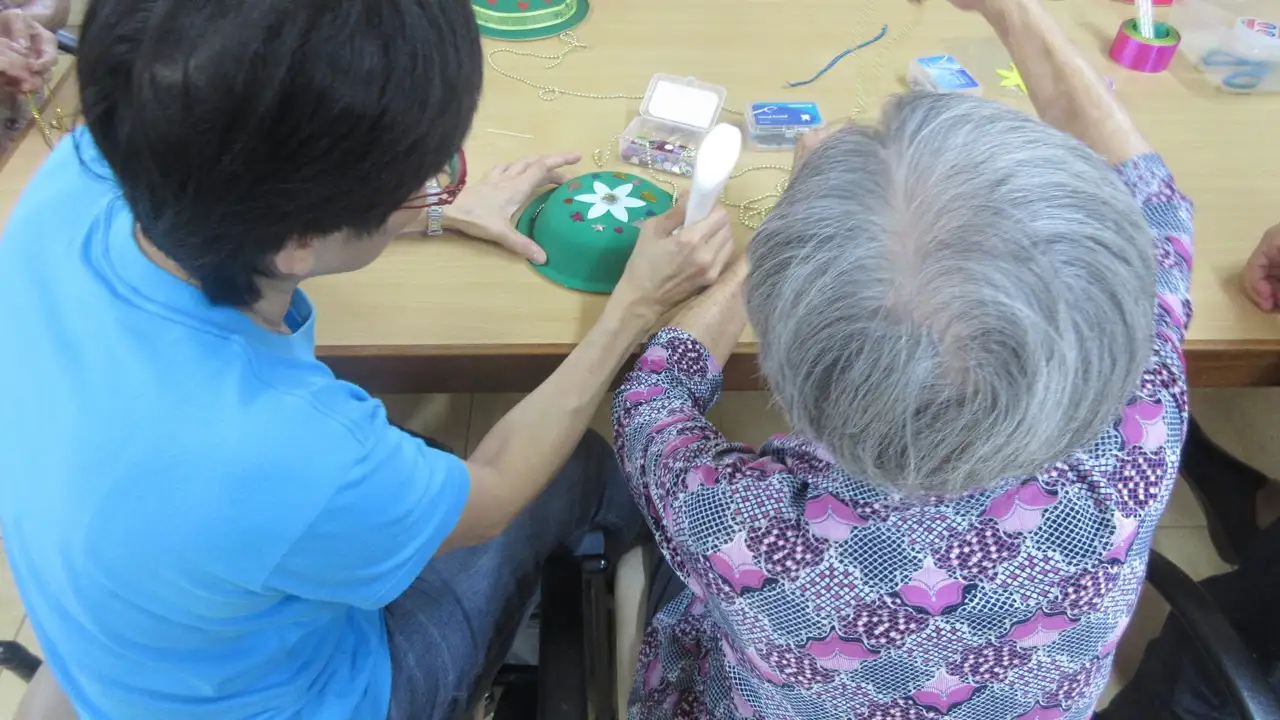
This is often the first thing people think of, and for good reason. A bubbly, outgoing caregiver might be perfect for a senior who loves to chat and socialize, while a quieter, more reserved caregiver might be better suited for someone who prefers a calm and peaceful environment. It’s about finding complementary personalities. If the care recipient is a morning person, a caregiver who thrives in the early hours will be a better fit than someone who struggles to get going before noon. Similarly, if the senior has a dry sense of humor, a caregiver who appreciates that can build a stronger rapport.
Skills and Experience Alignment for Specific Care Needs
Beyond personality, the caregiver's skills and experience must align with the care recipient's specific needs. Does the senior require assistance with mobility, medication management, or specialized dementia care? A caregiver with extensive experience in these areas will be far more effective and confident. For instance, if a senior has Parkinson's disease, a caregiver trained in managing its symptoms and assisting with specific exercises would be invaluable. If there are complex medical needs, a caregiver with a nursing assistant background might be preferred. It's not just about having the skills, but having the right skills for the job.
Cultural Background and Language Considerations in Home Care
Cultural understanding can significantly impact the comfort and trust between a caregiver and client. Shared cultural backgrounds can lead to a deeper understanding of traditions, dietary preferences, and social norms. This is particularly relevant in diverse markets like the US and Southeast Asia. For example, a senior from a specific Asian culture might prefer a caregiver who understands their traditional foods or respects certain customs. Language is another huge factor. If the senior primarily speaks a language other than English, a caregiver who is fluent in that language can bridge communication gaps and reduce frustration for both parties. This goes beyond just basic communication; it allows for deeper conversations and emotional connection.
Communication Styles and Preferences for Effective Care
Some people prefer direct communication, while others respond better to a more gentle and indirect approach. Understanding these nuances is vital. A caregiver who can adapt their communication style to match the senior's preference will build trust more quickly and avoid misunderstandings. For someone with hearing loss, a caregiver who naturally speaks clearly and at an appropriate volume is a huge plus. For someone who processes information slowly, a caregiver who is patient and repeats information as needed will be more effective.
Shared Interests and Hobbies for Enhanced Companionship
While not always a primary factor, shared interests can significantly enhance the companionship aspect of home care. If both the senior and caregiver enjoy gardening, reading, or watching classic movies, it provides natural opportunities for bonding and engaging activities. This can turn routine care into enjoyable interactions, combating loneliness and promoting mental stimulation. Imagine a caregiver who loves to bake with a senior who used to be an avid baker – it creates a wonderful shared experience.
Geographic Proximity and Scheduling Flexibility for Home Care
Practical considerations like geographic proximity and scheduling flexibility are also important. A caregiver who lives relatively close can ensure punctuality and reliability, especially in areas with heavy traffic. Flexibility in scheduling is also key, as care needs can sometimes change or require adjustments. An agency that can provide caregivers with varying availability can better meet evolving client needs.
The Role of Home Care Agencies in Expert Matching
This is where reputable home care agencies truly shine. They don't just send the next available person; they have sophisticated processes in place to facilitate effective matching. Here's how they do it:
Comprehensive Assessment of Client Needs and Preferences
A good agency starts with a thorough assessment of the care recipient. This goes beyond medical needs to include personality, lifestyle, hobbies, cultural background, and even pet preferences. They'll ask detailed questions to build a comprehensive profile of the individual. This initial assessment is critical for laying the groundwork for a successful match.
Extensive Caregiver Vetting and Profile Creation
Agencies rigorously vet their caregivers, conducting background checks, verifying certifications, and assessing skills. But they also go a step further, creating detailed profiles for each caregiver that include their personality traits, communication style, specializations, and even their personal interests. This allows them to have a deep understanding of their caregiver pool.
Utilizing Matching Algorithms and Human Expertise
Many modern agencies use a combination of technology and human intuition. They might employ algorithms to narrow down potential matches based on the collected data, but then experienced care coordinators review these suggestions, applying their professional judgment and understanding of human dynamics to make the final decision. It's the best of both worlds: data-driven efficiency combined with empathetic human insight.
Facilitating Introductions and Trial Periods for Best Fit
A good agency will often facilitate an introduction meeting between the potential caregiver and the client (and their family). This allows everyone to meet, ask questions, and get a feel for the potential match before committing. Some agencies even offer a trial period, allowing for adjustments if the initial match isn't quite right. This flexibility is crucial for ensuring long-term satisfaction.
Benefits of Excellent Caregiver Client Matching for Seniors and Families
The positive ripple effects of a great match are numerous and far-reaching:
Enhanced Trust and Comfort in Home Care Relationships
When a senior feels truly comfortable and trusts their caregiver, it reduces anxiety and promotes a sense of security. This trust is foundational for effective care, especially when dealing with personal care tasks or sensitive health information. It allows the senior to relax and feel safe in their own home.
Improved Communication and Reduced Misunderstandings
A good match fosters open and clear communication. This means fewer misunderstandings about care instructions, preferences, or daily routines. When communication flows easily, both the senior and the caregiver feel heard and understood, leading to a more positive care experience.
Greater Engagement and Participation in Activities
When there's a good rapport, seniors are more likely to engage in activities, follow care plans, and participate in social interactions. A caregiver who understands and shares interests can motivate and encourage participation, leading to a more active and fulfilling life for the senior.
Increased Sense of Independence and Dignity for Seniors
A well-matched caregiver respects the senior's autonomy and helps them maintain as much independence as possible. They empower the senior rather than taking over, fostering a sense of dignity and control over their own lives. This is crucial for mental and emotional well-being.
Reduced Stress for Family Caregivers and Peace of Mind
For family members, knowing their loved one is in the hands of a compatible and competent caregiver brings immense peace of mind. It reduces the stress and worry often associated with finding and managing care, allowing families to focus on their relationship with their loved one rather than just their care needs.
Better Health Outcomes and Overall Well-being
Ultimately, a positive caregiver-client relationship contributes to better health outcomes. When seniors feel cared for, understood, and engaged, their physical and mental well-being improves. This can lead to fewer hospitalizations, better adherence to medical advice, and a generally happier, healthier life.
Specific Products and Technologies Supporting Caregiver Matching and Home Care
While the human element is paramount, technology and specific products can significantly enhance the caregiver matching process and the overall home care experience. Here are a few examples:
Care Management Software for Agencies
Many home care agencies use specialized software to manage client and caregiver profiles, scheduling, and matching. These platforms often have sophisticated algorithms that can suggest potential matches based on a multitude of criteria. Examples include:
- ClearCare Go: This is a widely used platform that helps agencies manage everything from scheduling and billing to caregiver profiles and client care plans. Its matching capabilities allow agencies to input client preferences and caregiver skills to find suitable pairings. It's a comprehensive solution for streamlining operations and improving matching efficiency.
- WellSky Home Health: Another robust software solution, WellSky offers tools for client intake, care planning, scheduling, and caregiver management. It helps agencies maintain detailed records of both clients and caregivers, making it easier to identify compatible matches based on skills, availability, and personality notes.
- AxisCare: This software focuses on simplifying home care operations. It includes features for client assessments, caregiver profiles, and a matching system that considers various factors to help agencies assign the right caregiver to the right client. It also offers communication tools to keep everyone connected.
Use Case: An agency receives a new client request for a senior with mild dementia who enjoys gardening and needs assistance with medication reminders. The software can quickly filter caregivers who have dementia care experience, list 'gardening' as an interest, and have availability during the required hours. The care coordinator then reviews these top matches, considering personality notes before making an introduction.
Comparison: These platforms generally offer similar core functionalities but differ in user interface, specific advanced features (e.g., advanced analytics, family portals), and pricing models. ClearCare Go is known for its comprehensive suite, WellSky for its integration capabilities, and AxisCare for its user-friendliness. Pricing typically ranges from $100-$500+ per month depending on the number of clients and features.
Communication Apps for Care Teams and Families
Effective communication is vital, and dedicated apps can facilitate this between caregivers, clients, and family members. These apps often allow for secure messaging, care plan updates, and even photo sharing.
- CareZone: While not strictly a matching tool, CareZone is an excellent app for families and caregivers to manage medications, appointments, and share updates. It helps ensure everyone is on the same page regarding the care plan, which indirectly supports the success of a caregiver match by improving coordination. It's free for personal use.
- Care.com (for families and independent caregivers): While primarily a platform for finding caregivers, Care.com also offers tools for communication and scheduling once a match is made. Families can communicate directly with caregivers, share care instructions, and manage payments. The basic service for finding caregivers is free, with premium features for enhanced search and background checks costing around $39/month.
- Honor Care Pro App (for Honor Care Network caregivers): For agencies like Honor, their proprietary apps allow caregivers to access client care plans, log tasks, communicate with the agency and family, and receive real-time updates. This ensures the caregiver is always informed and can provide consistent, high-quality care based on the client's specific needs. This is typically an internal tool for caregivers working with specific agencies.
Use Case: A family member lives out of state and wants daily updates on their parent's well-being. The caregiver uses a communication app to log activities, share photos of a walk in the park, and note any changes in mood or appetite. The family member can then view these updates securely and communicate directly with the caregiver or agency.
Comparison: CareZone is great for personal health management and family coordination. Care.com is a marketplace with communication features. Agency-specific apps are integrated into their service model. CareZone is free, Care.com has free and paid tiers, and agency apps are part of the service cost.
Smart Home Devices for Enhanced Safety and Monitoring
While not directly matching tools, smart home devices can create a safer and more supportive environment, allowing caregivers to focus on companionship and personalized care rather than constant vigilance. This can also influence the type of caregiver needed (e.g., less direct supervision required).
- Amazon Echo Show / Google Nest Hub: These smart displays offer video calling, medication reminders, and access to information. They can facilitate communication between seniors and their caregivers or family members, and provide entertainment. They can also be used for voice-activated assistance. Prices range from $50-$250 depending on the model.
- Medical Alert Systems (e.g., Life Alert, Philips Lifeline): These systems provide immediate access to help in case of a fall or emergency. While not a matching tool, they offer peace of mind for both seniors and caregivers, knowing that help is always just a button press away. Monthly subscriptions typically range from $20-$50.
- Smart Sensors (e.g., motion sensors, door/window sensors): These can be discreetly placed around the home to monitor activity patterns. For example, a motion sensor in the bedroom can alert a caregiver if a senior hasn't gotten out of bed by a certain time, or a door sensor can indicate if someone has left the house unexpectedly. Brands like Ring, Arlo, and Samsung SmartThings offer various sensor kits. Prices vary widely, from $50 for a basic kit to several hundred for a comprehensive system.
Use Case: A senior with early-stage dementia lives alone but has a caregiver for several hours a day. Smart motion sensors can alert the caregiver (or family) if the senior wanders into an unsafe area of the house at night. The Echo Show can provide visual medication reminders throughout the day, reducing the caregiver's direct responsibility for this task and allowing them to focus on other activities.
Comparison: Smart displays offer communication and entertainment. Medical alert systems are for emergencies. Smart sensors provide passive monitoring. Each serves a different, complementary purpose in creating a safer home environment. Pricing varies significantly, from one-time purchases for smart displays/sensors to monthly subscriptions for alert systems.
What to Do if a Caregiver Match Isn't Working Out
Even with the best matching processes, sometimes a fit just isn't right, and that's perfectly okay. It's important to address these situations promptly and constructively.
Open Communication with the Home Care Agency
The first step is always to communicate openly and honestly with the home care agency. Explain your concerns clearly and provide specific examples of why the match isn't working. A good agency will want to know this feedback to improve their services and find a better solution.
Providing Constructive Feedback on the Caregiver Relationship
Focus on the issues rather than personal attacks. Is it a communication style mismatch? A difference in expectations? A skill gap? The more specific you can be, the better the agency can understand the problem and find a more suitable replacement.
Requesting a New Caregiver and Understanding the Process
Don't hesitate to request a new caregiver if the current match isn't meeting your needs. Reputable agencies understand that this happens and will have a process in place for finding a replacement. They should work with you to identify a new caregiver who better fits the criteria discussed during the initial assessment.
Patience and Flexibility During the Transition Period
Finding the perfect match can sometimes take a little time. Be patient during the transition period as the agency works to identify and introduce a new caregiver. While it can be frustrating, remember that the goal is to find a long-term, harmonious relationship that benefits everyone involved.
Ultimately, the success of home care hinges significantly on the quality of the caregiver-client relationship. By prioritizing thoughtful matching, leveraging technology, and maintaining open communication, families can ensure their loved ones receive not just care, but truly compassionate and personalized support that enhances their lives every single day.
:max_bytes(150000):strip_icc()/277019-baked-pork-chops-with-cream-of-mushroom-soup-DDMFS-beauty-4x3-BG-7505-5762b731cf30447d9cbbbbbf387beafa.jpg)