The Impact of Environment on Memory Care Residents
Understand how facility design, lighting, and sensory elements contribute to the well-being of memory care residents.
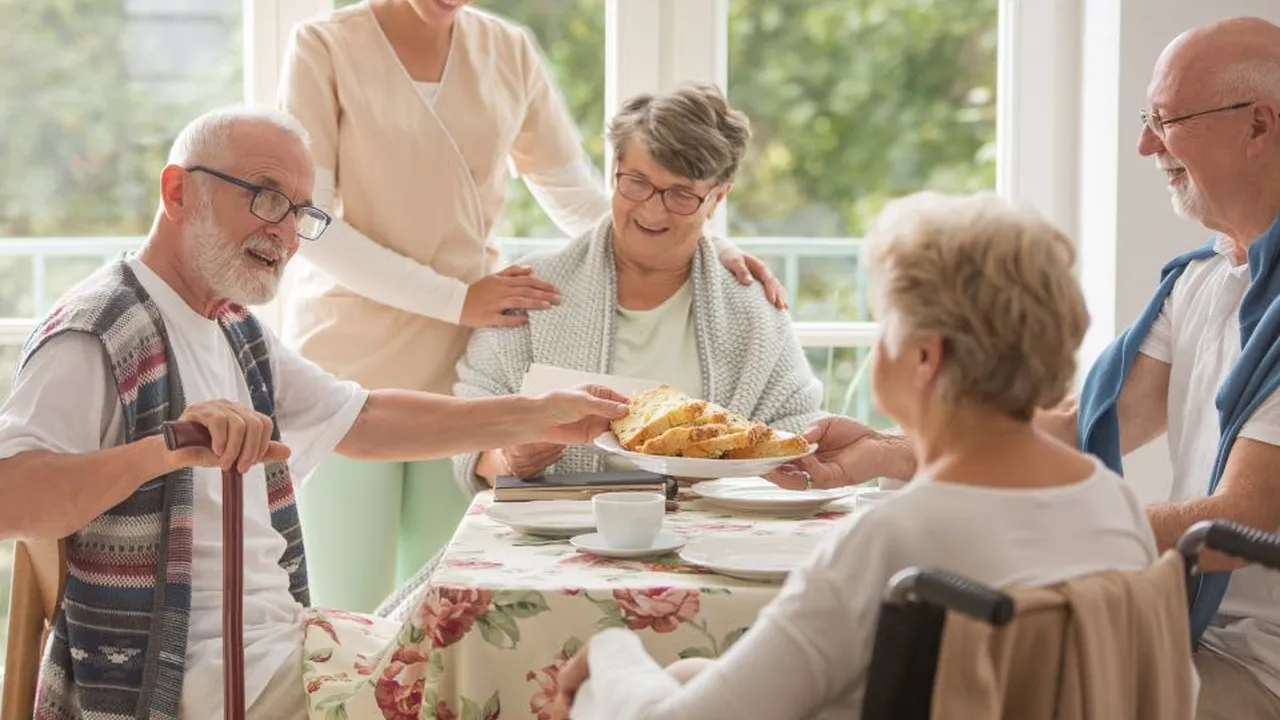
Understand how facility design, lighting, and sensory elements contribute to the well-being of memory care residents.
The Impact of Environment on Memory Care Residents
When it comes to caring for individuals living with dementia or Alzheimer's disease, the environment they inhabit plays a far more critical role than many might initially realize. It's not just about safety and security; it's about creating a space that supports cognitive function, reduces agitation, promotes independence, and enhances overall quality of life. For memory care residents, their surroundings can be a source of comfort or confusion, a catalyst for engagement or withdrawal. This comprehensive guide delves into the multifaceted ways in which facility design, lighting, and sensory elements profoundly impact the well-being of those in memory care, offering practical insights and product recommendations for both professional facilities and home-based care.
Understanding Environmental Psychology in Memory Care Design
Environmental psychology explores the intricate relationship between people and their surroundings. In the context of memory care, this field is paramount. Individuals with dementia often experience challenges with memory, orientation, judgment, and communication. A poorly designed environment can exacerbate these difficulties, leading to increased anxiety, wandering, falls, and behavioral issues. Conversely, a thoughtfully designed space can mitigate these challenges, fostering a sense of calm, familiarity, and purpose.
Key Principles of Dementia-Friendly Design for Memory Care Facilities
Several core principles guide effective memory care design:
- Familiarity and Homelike Atmosphere: Reducing institutional aesthetics and creating spaces that feel like home can significantly reduce anxiety and promote comfort. This includes using residential-style furniture, warm color palettes, and personalizable spaces.
- Clear Wayfinding and Navigation: Disorientation is a common symptom of dementia. Clear signage, distinct landmarks, and logical layouts help residents navigate independently and reduce feelings of being lost.
- Safety and Security: While promoting independence, safety remains paramount. This involves minimizing fall risks, securing exits, and providing unobtrusive monitoring systems.
- Sensory Stimulation and Engagement: Providing opportunities for appropriate sensory input can be calming and engaging. This includes access to natural light, pleasant sounds, tactile experiences, and aromatic elements.
- Privacy and Personal Space: Despite the need for supervision, residents still require private spaces for personal reflection and quiet time.
- Access to Nature and Outdoors: Connecting with nature has proven therapeutic benefits. Secure outdoor spaces, gardens, and views of greenery are invaluable.
The Critical Role of Lighting in Memory Care Environments
Lighting is perhaps one of the most underestimated yet powerful environmental factors in memory care. Proper lighting can influence circadian rhythms, reduce visual confusion, prevent falls, and even impact mood and behavior.
Natural Light Maximizing Daylight Exposure for Memory Care Residents
Maximizing natural light is crucial. Exposure to natural light, especially in the morning, helps regulate circadian rhythms, which can be disrupted in individuals with dementia. This disruption often leads to 'sundowning' – increased agitation and confusion in the late afternoon and evening.
- Large Windows and Skylights: Design facilities with ample windows that offer views of the outdoors. Skylights can bring natural light into interior spaces.
- Avoid Glare: While maximizing light, it's essential to control glare, which can be disorienting and uncomfortable. Use blinds, sheer curtains, or architectural features to diffuse harsh sunlight.
- Outdoor Access: Encourage residents to spend time outdoors in secure garden areas to receive direct natural light exposure.
Artificial Lighting Solutions for Optimal Memory Care
When natural light is insufficient, artificial lighting must compensate effectively.
- Full Spectrum Lighting: Mimic natural daylight with full-spectrum LED lighting. This type of lighting can improve mood, reduce eye strain, and enhance visual clarity.
- Tunable White Lighting: This advanced technology allows the color temperature and intensity of light to be adjusted throughout the day, mimicking the natural light cycle. Warmer, dimmer light in the evenings can promote relaxation and sleep, while brighter, cooler light in the mornings can enhance alertness.
- Even Illumination: Ensure consistent and even lighting throughout all spaces to avoid dark spots and shadows, which can be perceived as obstacles or threats.
- Task Lighting: Provide focused task lighting in areas where residents engage in activities like reading, eating, or hobbies.
- Night Lighting: Implement low-level, non-glare night lighting in hallways and bathrooms to prevent falls during nighttime excursions. Motion-activated lights can be particularly useful.
Recommended Lighting Products for Memory Care
Here are a few examples of lighting products that align with dementia-friendly design principles:
- Philips Hue White and Color Ambiance Smart Bulbs: These smart bulbs (approx. $40-$50 per bulb) offer tunable white light and a wide range of colors, allowing caregivers to adjust the lighting environment to suit the time of day or a resident's mood. They can be controlled via an app or voice commands, making them versatile for both professional facilities and home use.
- Circadian Lighting Systems (e.g., BIOS Lighting, Ketra): These professional-grade systems (pricing varies significantly, often thousands for a full installation) are designed for larger facilities. They automatically adjust light intensity and color temperature throughout the day to support natural circadian rhythms, significantly impacting sleep patterns and reducing sundowning.
- Motion-Activated LED Night Lights (e.g., GE Enbrighten Motion-Sensing Night Light): Affordable and effective (approx. $15-$25 for a pack), these plug-in lights provide soft, automatic illumination in hallways and bathrooms, reducing fall risks without being overly disruptive to sleep.
Sensory Elements Creating a Rich and Calming Environment
Beyond sight, all senses play a vital role in how individuals with dementia perceive and interact with their environment. Thoughtful integration of sensory elements can evoke positive memories, reduce agitation, and provide comfort.
Auditory Considerations Minimizing Noise and Promoting Calm
The auditory environment can be particularly challenging for individuals with dementia, who may have difficulty filtering out background noise or become easily startled by sudden sounds.
- Noise Reduction: Use sound-absorbing materials like carpets, acoustic panels, and soft furnishings to minimize echoes and reduce overall noise levels.
- Calming Sounds: Introduce gentle, familiar sounds such as soft music, nature sounds (birds chirping, gentle rain), or white noise to create a peaceful atmosphere.
- Avoid Alarms and Loud Announcements: Where possible, use visual cues or gentle chimes instead of loud, startling alarms.
Olfactory Stimulation The Power of Scent in Memory Care
The sense of smell is strongly linked to memory and emotion. Certain scents can evoke positive memories or promote relaxation.
- Familiar Scents: Introduce familiar and pleasant scents, such as freshly baked cookies, lavender, or citrus, in common areas.
- Aromatherapy: Essential oil diffusers with calming scents like lavender or chamomile can be used in individual rooms or quiet spaces to reduce anxiety.
- Avoid Overpowering Scents: Be mindful not to use strong or artificial fragrances that might be irritating or overwhelming.
Tactile Experiences Engaging the Sense of Touch
Providing opportunities for tactile engagement can be soothing and stimulating, especially for those who may have limited verbal communication.
- Textured Materials: Incorporate a variety of textures in furnishings, fabrics, and activity materials.
- Fidget Blankets and Sensory Boards: These items provide safe and engaging tactile stimulation, helping to reduce restlessness and anxiety.
- Gardening and Nature: Allowing residents to touch plants, soil, or water in a secure garden can be very therapeutic.
Visual Cues and Aesthetics Beyond Lighting
Visual elements extend beyond just lighting and play a significant role in orientation and mood.
- Color Psychology: Use calming colors like blues, greens, and soft yellows in common areas. Avoid overly bright or contrasting colors that can be agitating.
- Personalization: Encourage residents to personalize their rooms with familiar photos, artwork, and cherished objects to create a sense of ownership and comfort.
- Clear Signage with Pictures: Combine text with clear, universally recognizable images on signs for bathrooms, dining areas, and exits.
- Reminiscence Displays: Create display areas with historical artifacts, old photographs, or themed objects that can spark conversation and positive memories.
Recommended Sensory Products for Memory Care
Here are some product ideas to enhance the sensory environment:
- Essential Oil Diffusers (e.g., ASAKUKI 500ml Essential Oil Diffuser): Affordable and widely available (approx. $25-$40), these diffusers can be used with therapeutic-grade essential oils like lavender, chamomile, or frankincense to create calming atmospheres.
- Weighted Blankets (e.g., YnM Weighted Blanket): Ranging from $50-$150 depending on size and weight, weighted blankets provide deep pressure stimulation, which can be incredibly calming and help reduce anxiety and improve sleep for some individuals.
- Fidget Blankets/Sensory Muffs (e.g., Relish Dementia Fidget Blanket): Specifically designed for individuals with dementia (approx. $30-$60), these blankets feature various textures, zippers, buttons, and other tactile elements to keep hands busy and minds engaged.
- Sound Machines (e.g., LectroFan Micro2 Sleep Sound Machine): Compact and portable (approx. $20-$30), these devices offer a variety of white noise and nature sounds to mask disruptive noises and promote relaxation.
- Reminiscence Therapy Kits (e.g., MindStart Reminiscence Cards): These kits (approx. $20-$50) contain themed cards or objects designed to spark memories and facilitate conversation, providing valuable cognitive and social engagement.
Facility Design and Layout Optimizing Space for Memory Care
The overall layout and architectural design of a memory care facility are foundational to resident well-being. Every element, from floor plans to furniture placement, contributes to the resident experience.
Creating Safe and Navigable Spaces for Dementia Patients
A well-designed layout minimizes confusion and maximizes safety.
- Circular or Loop Pathways: These designs allow residents to wander safely without encountering dead ends, which can cause frustration and agitation.
- Defined Zones: Clearly delineate different areas (dining, activity, quiet spaces) with subtle architectural cues, color changes, or furniture arrangements.
- Minimizing Clutter: Keep common areas free of unnecessary clutter to reduce visual overload and potential tripping hazards.
- Secure Outdoor Access: Provide easily accessible, secure outdoor gardens or courtyards where residents can enjoy fresh air and exercise without risk of wandering off.
- Non-Reflective Surfaces: Avoid highly polished floors or reflective surfaces that can create confusing glare or appear as water, leading to falls.
Furniture and Furnishings Comfort, Safety, and Familiarity
The choice of furniture is not just about aesthetics; it's about functionality and resident comfort.
- Residential Style Furniture: Opt for comfortable, familiar-looking furniture rather than institutional pieces.
- Sturdy and Stable: All furniture should be stable and supportive, with armrests on chairs to aid in standing and sitting.
- Contrasting Colors: Use contrasting colors for furniture against floors and walls to help residents with visual impairments distinguish objects.
- Avoid Busy Patterns: Overly busy patterns on carpets or upholstery can be disorienting or perceived as moving objects.
- Personalizable Spaces: Allow residents to bring personal items and decorate their rooms to foster a sense of ownership and familiarity.
Technology Integration Smart Solutions for Memory Care
Technology can be a powerful tool in enhancing safety, monitoring, and engagement in memory care, but it must be implemented thoughtfully and unobtrusively.
- Passive Monitoring Systems: Non-invasive sensors (e.g., bed sensors, motion sensors) can alert staff to unusual activity without being intrusive.
- GPS Trackers: For residents prone to wandering, discreet GPS trackers (e.g., worn as a watch or pendant) can provide peace of mind and aid in locating them quickly if they leave a secure area.
- Voice-Activated Assistants: Devices like Amazon Echo or Google Home (approx. $30-$100) can be programmed to provide reminders, play music, answer questions, or even make calls, offering a sense of control and engagement.
- Therapeutic Robots: While still emerging, companion robots (e.g., PARO therapeutic robot seal, often thousands of dollars) are being used in some facilities to provide comfort and reduce agitation through tactile interaction and responsive behaviors.
- Virtual Reality (VR) for Reminiscence: VR headsets (e.g., Oculus Quest 2, approx. $300-$400) can transport residents to familiar places from their past or serene natural environments, offering engaging and therapeutic experiences.
Comparing Environmental Approaches Home vs Facility Memory Care
While many of these principles apply universally, there are nuances when comparing home-based memory care environments with dedicated facilities.
Adapting Home Environments for Dementia Care
For those receiving care at home, modifications can significantly improve safety and quality of life:
- Decluttering and Simplifying: Remove unnecessary items to reduce visual confusion and tripping hazards.
- Clear Pathways: Ensure clear, unobstructed paths between frequently used areas.
- Labeling: Use clear labels with pictures on drawers and cabinets to help with organization.
- Safety Locks: Install locks on cabinets containing hazardous materials or medications.
- Consistent Routines: Maintain a consistent daily routine to provide structure and predictability.
- Personalized Decor: Keep familiar photos and cherished items visible to provide comfort and orientation.
Advantages of Specialized Memory Care Facilities
Dedicated memory care facilities offer several advantages due to their purpose-built design:
- Expertise in Design: Facilities are often designed by architects and specialists with deep understanding of dementia-friendly principles.
- Secure Environments: They provide secure perimeters and monitoring systems specifically designed to prevent wandering.
- Staff Training: Staff are trained in managing dementia-related behaviors and utilizing the environment to support residents.
- Community and Activities: Facilities offer structured activities and social engagement opportunities tailored for individuals with cognitive impairment.
- Access to Specialized Equipment: They often have access to specialized therapeutic equipment and technologies.
The Future of Memory Care Environment Design
The field of memory care design is continuously evolving, driven by research and technological advancements. Future trends include:
- Biophilic Design: Even greater integration of natural elements, patterns, and processes into building design to enhance connection to nature.
- Smart Homes and AI: More sophisticated AI-powered systems that learn resident behaviors and proactively adjust environments (e.g., lighting, temperature, music) to optimize comfort and reduce agitation.
- Personalized Environments: Highly customizable spaces that can adapt to individual resident preferences and cognitive needs in real-time.
- Virtual and Augmented Reality: Expanded use of VR for therapeutic purposes, reminiscence, and even virtual visits with family members.
- Community Integration: Designs that facilitate safe and supported integration of memory care residents into broader community activities.
Ultimately, the goal of environmental design in memory care is to create spaces that are not just safe and functional, but also nurturing, engaging, and respectful of the individual. By thoughtfully considering facility design, lighting, and sensory elements, we can significantly enhance the daily lives and overall well-being of those living with dementia, allowing them to experience comfort, dignity, and moments of joy.
:max_bytes(150000):strip_icc()/277019-baked-pork-chops-with-cream-of-mushroom-soup-DDMFS-beauty-4x3-BG-7505-5762b731cf30447d9cbbbbbf387beafa.jpg)