Comparing Small vs Large Assisted Living Facilities
Weigh the advantages and disadvantages of small, intimate assisted living homes versus larger, more comprehensive facilities.
Weigh the advantages and disadvantages of small, intimate assisted living homes versus larger, more comprehensive facilities. Choosing the right assisted living facility for yourself or a loved one is a significant decision, and one of the primary considerations often revolves around size. Should you opt for a cozy, smaller community, or a sprawling, amenity-rich larger one? Both have distinct advantages and potential drawbacks, and understanding these can help you make an informed choice that best suits individual needs and preferences.
Comparing Small vs Large Assisted Living Facilities
Understanding Small Assisted Living Facilities Intimate Care and Community
Small assisted living facilities, often referred to as residential care homes, board and care homes, or boutique facilities, typically house fewer residents, ranging from 6 to 20 individuals. These homes are often converted residential properties, designed to feel more like a traditional home environment. This intimate setting fosters a strong sense of community and personalized care.
Advantages of Small Assisted Living Facilities Personalized Attention and Familiarity
One of the most significant benefits of a small assisted living facility is the high staff-to-resident ratio. With fewer residents, staff members can provide more individualized attention, getting to know each resident's unique personality, preferences, and care needs in detail. This often leads to a more consistent care experience, as residents interact with the same caregivers regularly. The familiar faces and routines can be particularly beneficial for individuals with early-stage dementia or those who thrive on predictability.
Another advantage is the home-like atmosphere. These facilities often have common living areas, dining rooms, and bedrooms that resemble a typical house, which can be less intimidating and more comforting than a large institutional setting. Meals are often prepared in a home kitchen, offering a more personalized dining experience and the ability to accommodate specific dietary requests more easily. The smaller resident population also means less noise and commotion, which can be a blessing for those who are easily overstimulated or prefer a quieter environment.
Social interaction in a small facility tends to be more intimate and less overwhelming. Residents often form close bonds with each other and with the staff, creating a supportive, family-like atmosphere. Activities are typically tailored to the interests of the small group, ensuring higher participation and engagement. For example, instead of a large group exercise class, a small facility might offer a personalized gardening club or a quiet book reading session.
Disadvantages of Small Assisted Living Facilities Limited Amenities and Resources
While the intimacy is a major draw, small facilities often come with fewer amenities and resources compared to their larger counterparts. They might not have on-site beauty salons, fitness centers, swimming pools, or extensive activity programs. Transportation services might be less frequent or limited to specific appointments. If a resident requires specialized medical equipment or a wide range of therapeutic services, a small facility might not be able to accommodate those needs on-site, requiring external arrangements.
Another potential drawback is the limited social circle. While the close-knit community is a positive for many, some individuals might prefer a larger pool of potential friends and a wider variety of social interactions. If a resident doesn't connect with the few other residents, they might feel isolated. Staffing can also be a concern; while the ratio is often good, a small facility might have less backup staff or fewer specialized professionals on-call, which could be an issue during emergencies or staff absences.
Furthermore, small facilities might have less flexibility in terms of care level progression. If a resident's needs increase significantly, they might outgrow the facility's capabilities and require a move to a more specialized setting, which can be disruptive and stressful.
Exploring Large Assisted Living Facilities Comprehensive Services and Vibrant Communities
Large assisted living facilities, often part of larger senior living campuses, can house anywhere from 50 to several hundred residents. These facilities are typically purpose-built, offering a wide array of services, amenities, and a more structured environment.
Advantages of Large Assisted Living Facilities Extensive Amenities and Diverse Social Opportunities
The most apparent advantage of large assisted living facilities is the sheer breadth of amenities and services they offer. Residents can often enjoy on-site restaurants, cafes, fitness centers, swimming pools, libraries, movie theaters, beauty salons, and even chapels. The activity calendars are usually packed with diverse options, from group outings and educational seminars to art classes, live entertainment, and various clubs. This extensive offering caters to a wide range of interests and can keep residents highly engaged and stimulated.
Large facilities often have a more robust and specialized staff, including nurses, therapists (physical, occupational, speech), and dedicated activity coordinators. This means a wider range of medical and therapeutic services can be provided on-site, offering convenience and continuity of care. They also tend to have more comprehensive emergency response systems and backup staffing, providing a greater sense of security for residents and their families.
The larger resident population offers a diverse social environment. Residents have more opportunities to meet new people with varied backgrounds and interests, increasing the chances of finding compatible companions. This can be particularly appealing for extroverted individuals or those who enjoy a bustling social scene. Many large facilities also offer different levels of care within the same community, allowing residents to 'age in place' even as their needs change, moving from independent living to assisted living or even memory care without having to relocate to a new campus.
Disadvantages of Large Assisted Living Facilities Less Personalization and Potential for Overwhelm
While the extensive amenities are attractive, the larger scale can sometimes lead to a less personalized experience. Staff-to-resident ratios might be lower, meaning less individualized attention. Residents might interact with a wider rotation of caregivers, which can make it harder to build strong, consistent relationships. The sheer size of the facility can also feel overwhelming or institutional to some, especially those who prefer a quieter, more intimate setting.
Dining in large facilities, while often offering more choices, can sometimes feel less personal, resembling a restaurant or cafeteria experience rather than a home-cooked meal. The structured schedules and larger group activities might not appeal to everyone, and some residents might feel lost in the crowd or find it challenging to navigate the larger campus.
Cost can also be a factor. While large facilities offer more amenities, they often come with a higher price tag. Additionally, the extensive options can sometimes lead to decision fatigue or a feeling of being overstimulated for some residents, particularly those with cognitive impairments or sensory sensitivities.
Key Considerations When Choosing Between Small and Large Facilities Tailoring to Individual Needs
Making the right choice involves carefully evaluating the individual's personality, care needs, social preferences, and financial situation.
Personality and Social Preferences Finding the Right Fit
* Introverts vs. Extroverts: An introvert might thrive in the quiet, close-knit environment of a small facility, while an extrovert might prefer the bustling social scene and diverse activities of a large one.
* Need for Routine vs. Variety: Individuals who prefer consistent routines and familiar faces might do better in a small home. Those who enjoy variety, new experiences, and a wide range of choices might prefer a larger community.
* Independence Level: Highly independent seniors might appreciate the freedom and extensive options of a large facility. Those who require more hands-on assistance and constant supervision might benefit from the more attentive care in a smaller setting.
Care Needs and Medical Support Ensuring Appropriate Services
* Level of Care Required: If the individual has complex medical needs, requires frequent therapy, or has progressive conditions like advanced dementia, a larger facility with dedicated medical staff and specialized units (like memory care) might be more appropriate. For those with minimal care needs, a small facility can be perfectly adequate.
* Specialized Services: Does the individual require specific therapies (e.g., physical, occupational, speech), wound care, or specialized dietary management? Larger facilities are more likely to have these services on-site.
* Progression of Needs: Consider how the individual's needs might evolve. A large facility with different levels of care can offer continuity, whereas a small facility might necessitate a move if needs escalate significantly.
Financial Considerations Budgeting for Long-Term Care
* Cost Structure: Small facilities often have a more inclusive, flat-rate pricing structure, while large facilities might have a base rate with additional charges for various services and amenities. It's crucial to understand what is included in the monthly fee.
* Long-Term Affordability: Evaluate the long-term financial sustainability of either option. Consider potential increases in care costs as needs change.
* Insurance and Benefits: Understand how long-term care insurance, VA benefits, or other financial assistance programs might apply to both types of facilities.
Location and Family Involvement Proximity and Accessibility
* Proximity to Family: Consider how far the facility is from family members. Easier access encourages more frequent visits and family involvement in care.
* Community Integration: Some small facilities are deeply integrated into local neighborhoods, offering a sense of community connection. Large facilities might be more self-contained.
Real-World Examples and Product Comparisons Understanding the Landscape
While assisted living facilities aren't 'products' in the traditional sense, we can compare different types of providers and their offerings to illustrate the small vs. large dynamic. Think of these as different 'brands' or 'models' of care.
Small Assisted Living Examples Boutique Care Homes
* 'The Serene Haven' (Hypothetical Small Facility):
* Description: A converted 5-bedroom residential home in a quiet suburban neighborhood, licensed for 8 residents. It has a large backyard garden, a shared living room, and a dining area where meals are prepared fresh daily. Staff consists of 3 caregivers during the day and 1 overnight, plus a visiting nurse once a week.
* Target Resident: Individuals who prefer a quiet, family-like atmosphere, require moderate assistance with daily activities, and enjoy personalized attention. Ideal for those who might feel overwhelmed in larger settings.
* Typical Services: Assistance with ADLs (Activities of Daily Living), medication management, home-cooked meals, laundry, light housekeeping, scheduled local outings (e.g., grocery store, park), personalized activities like reading, puzzles, gardening.
* Pros: High staff-to-resident ratio, intimate environment, consistent caregivers, home-like feel, often more affordable than large facilities.
* Cons: Limited amenities, fewer social opportunities, less specialized medical support on-site, potential for less privacy.
* Estimated Cost: $3,500 - $6,000 per month (depending on location and care needs).
* 'Comfort & Care Residence' (Hypothetical Small Facility):
* Description: A purpose-built small facility with 12 private rooms, each with an en-suite bathroom. It features a communal dining room, a small activity room, and a secure outdoor patio. Focuses on a holistic approach to care.
* Target Resident: Seniors seeking a balance between a home-like feel and some structured activities, with a need for consistent personal care. Good for those who value a strong sense of community without the hustle and bustle.
* Typical Services: All ADL assistance, medication administration, three nutritious meals and snacks, daily activities (e.g., gentle exercise, crafts, music therapy), transportation for medical appointments, basic nursing oversight.
* Pros: More privacy with private rooms, still maintains a high staff ratio, often has a dedicated activity coordinator for the small group, strong community bonds.
* Cons: Still fewer amenities than large facilities, limited options for specialized therapies, social circle is small.
* Estimated Cost: $4,000 - $7,500 per month.
Large Assisted Living Examples Resort-Style Communities
* 'Grand Oaks Senior Living' (Hypothetical Large Facility):
* Description: A sprawling campus with multiple buildings, including independent living apartments, assisted living suites, and a dedicated memory care wing. Features a grand dining room, bistro, fitness center, indoor pool, library, movie theater, and multiple activity rooms. Licensed for 150+ assisted living residents.
* Target Resident: Active seniors who enjoy a wide range of social activities, desire extensive amenities, and may need varying levels of care over time. Ideal for those who thrive in a vibrant, resort-like environment.
* Typical Services: All ADL assistance, medication management, multiple dining options, extensive daily activity calendar (e.g., fitness classes, lectures, outings, clubs), on-site nursing staff 24/7, physical/occupational/speech therapy, transportation services, concierge, housekeeping, laundry.
* Pros: Wide array of amenities, diverse social opportunities, continuum of care (can age in place), specialized medical staff on-site, robust emergency systems, more privacy with individual apartments/suites.
* Cons: Can feel less personal, higher staff-to-resident ratio (though more staff overall), potentially overwhelming for some, higher cost, more institutional feel.
* Estimated Cost: $5,000 - $10,000+ per month (depending on apartment size and care level).
* 'Harmony Gardens Assisted Living' (Hypothetical Large Facility):
* Description: A modern, purpose-built facility with 80 assisted living units, offering a mix of studio and one-bedroom apartments. Features a central dining room, a smaller casual cafe, a dedicated wellness center, a salon, and beautifully landscaped gardens with walking paths. Focuses on technology integration for resident safety and engagement.
* Target Resident: Seniors who appreciate modern facilities, a good balance of amenities and personalized care, and value technology for safety and communication. Suitable for those who want a lively community but not an overwhelming one.
* Typical Services: Personalized care plans, medication management, chef-prepared meals, a diverse activity program (including virtual options), on-site therapy services, telehealth capabilities, emergency call systems in every unit, scheduled transportation, housekeeping, laundry.
* Pros: Modern facilities, good balance of amenities, often incorporates smart home technology, professional and diverse staff, good social opportunities without being too large.
* Cons: Can still feel less intimate than small homes, cost can be significant, some residents might find technology integration challenging.
* Estimated Cost: $4,500 - $9,000 per month.
Making the Informed Decision A Personalized Approach
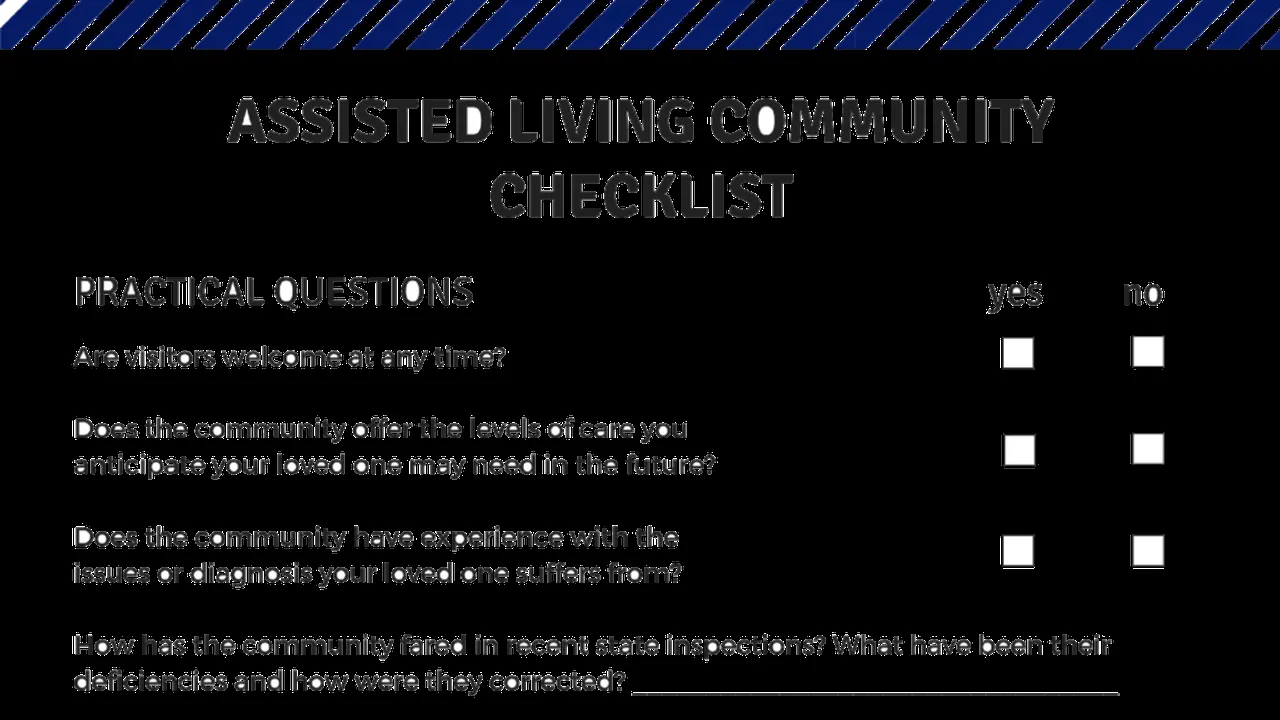
Ultimately, the 'best' choice between a small and large assisted living facility is highly individual. There's no one-size-fits-all answer. It's crucial to involve the senior in the decision-making process as much as possible, respecting their preferences and desires. Visiting multiple facilities of both types is highly recommended. During tours, pay close attention to the atmosphere, observe staff-resident interactions, sample a meal, and ask detailed questions about staffing, activities, care plans, and costs.
Consider a trial stay if available, as this can provide invaluable insight into the daily life and culture of a facility. Talk to current residents and their families to get their perspectives. Remember that the goal is to find an environment where the senior feels safe, comfortable, engaged, and well-cared for, allowing them to maintain their dignity and quality of life.

:max_bytes(150000):strip_icc()/277019-baked-pork-chops-with-cream-of-mushroom-soup-DDMFS-beauty-4x3-BG-7505-5762b731cf30447d9cbbbbbf387beafa.jpg)