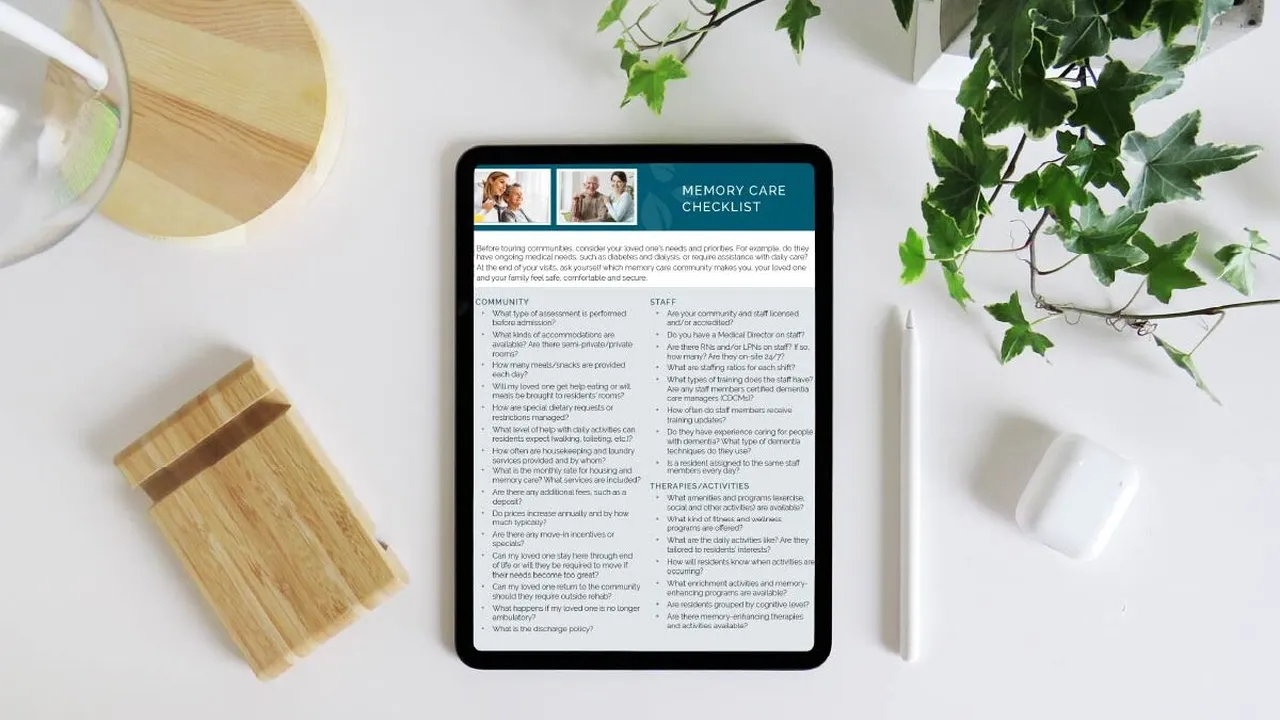
The Best Home Care Services for Dementia Patients
Find specialized in-home care services designed to support individuals with dementia, promoting safety and comfort.
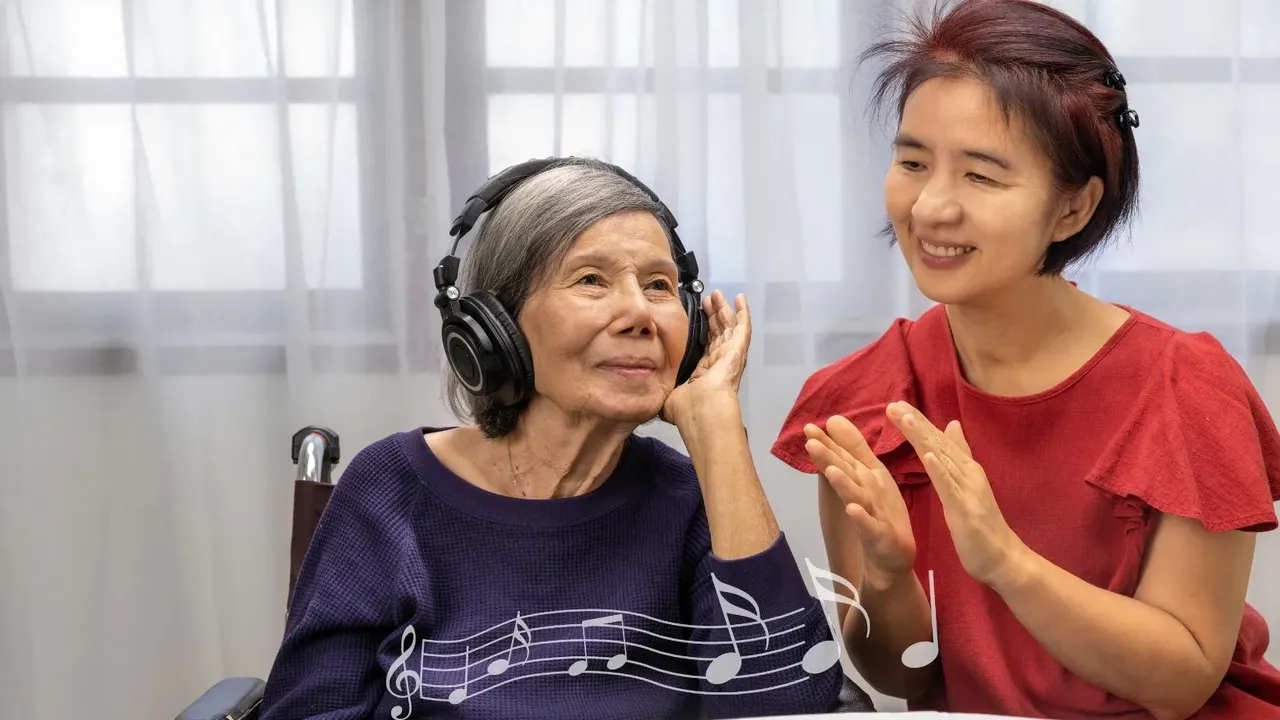
Find specialized in-home care services designed to support individuals with dementia, promoting safety and comfort.
The Best Home Care Services for Dementia Patients
Navigating the world of dementia care can feel overwhelming, especially when you're trying to ensure your loved one receives the best possible support while maintaining their comfort and dignity at home. For many families, in-home care services offer a compelling solution, allowing individuals with dementia to remain in familiar surroundings, which can significantly reduce agitation and confusion. But what exactly constitutes 'the best' home care for dementia patients? It's more than just basic assistance; it's about specialized training, compassionate understanding, and a tailored approach to care that evolves with the disease.
This comprehensive guide will walk you through the essential aspects of choosing and implementing top-tier home care for dementia patients. We'll delve into the types of services available, what to look for in a care provider, and even recommend specific products and technologies that can enhance safety and quality of life. Our goal is to empower you with the knowledge to make informed decisions, ensuring your loved one receives the specialized support they deserve.
Understanding Dementia and the Need for Specialized Home Care
Dementia is not a single disease but a general term for a decline in mental ability severe enough to interfere with daily life. Alzheimer's disease is the most common type of dementia. Other forms include vascular dementia, Lewy body dementia, and frontotemporal dementia. Each type presents unique challenges, but common symptoms include memory loss, communication difficulties, impaired judgment, and changes in mood or behavior.
Why is specialized home care so crucial for dementia patients? Unlike general senior care, dementia care requires caregivers to possess specific knowledge and skills. They need to understand the progression of the disease, recognize subtle changes in behavior, and employ communication techniques that are effective for individuals with cognitive impairment. A familiar environment can be incredibly beneficial, reducing stress and maintaining a sense of routine. However, this also means adapting the home environment and providing consistent, patient support.
The benefits of specialized in-home dementia care are numerous:
- Familiarity and Comfort: Staying in one's own home provides a sense of security and reduces confusion often associated with new environments.
- Personalized Attention: One-on-one care allows for a highly individualized approach, adapting to the patient's specific needs and preferences.
- Maintained Routines: Consistent daily routines are vital for dementia patients, and home care helps preserve these.
- Reduced Stress and Agitation: A calm, familiar setting can significantly decrease anxiety and behavioral challenges.
- Family Involvement: Families can remain actively involved in their loved one's care, working closely with caregivers.
- Safety and Security: Trained caregivers can implement safety measures and monitor for potential hazards.
Key Services Offered by Specialized Dementia Home Care Agencies
When you're looking for home care for a dementia patient, you'll find that the services extend far beyond basic companionship. The best agencies offer a comprehensive suite of services designed to address the unique and evolving needs of individuals with cognitive decline.
Personal Care Assistance for Dementia Patients
This category covers essential daily activities that can become challenging for dementia patients. It's delivered with patience and respect for dignity.
- Bathing and Grooming: Assistance with showering, hair care, oral hygiene, and dressing, often requiring gentle encouragement and a structured approach.
- Toileting and Incontinence Care: Support with bathroom routines, managing incontinence products, and maintaining hygiene to prevent skin issues.
- Mobility Assistance: Help with transferring, walking, and moving safely around the home, often involving fall prevention strategies.
- Medication Reminders and Management: Ensuring medications are taken correctly and on schedule, often coordinating with family or pharmacists.
Companionship and Engagement for Cognitive Health
Beyond physical care, mental and emotional stimulation are paramount for dementia patients. Caregivers are trained to engage patients in meaningful ways.
- Cognitive Stimulation Activities: Engaging in activities like puzzles, memory games, reading aloud, discussing current events, or looking at old photos to stimulate memory and cognitive function.
- Social Interaction: Providing conversation, companionship, and emotional support to combat loneliness and isolation.
- Supervision and Safety Monitoring: Constant oversight to prevent wandering, accidents, or unsafe behaviors, especially as the disease progresses.
- Meal Preparation and Nutrition: Planning and preparing nutritious meals, often adapting to dietary restrictions or preferences, and assisting with feeding if necessary.
Household Support and Environmental Adaptation for Dementia Safety
Maintaining a safe and comfortable home environment is crucial for dementia patients.
- Light Housekeeping: Keeping the living space tidy, clean, and organized to reduce clutter and potential hazards.
- Errands and Appointments: Assistance with grocery shopping, picking up prescriptions, and transportation to medical appointments.
- Environmental Modifications: Helping to identify and implement home modifications that enhance safety and ease of navigation, such as removing tripping hazards or installing grab bars.
Choosing the Right Dementia Home Care Agency Key Considerations
Selecting the best agency requires careful research and a clear understanding of your loved one's needs. Here's what to prioritize:
Specialized Dementia Training and Caregiver Expertise
This is perhaps the most critical factor. General caregiver training isn't enough.
- Dementia-Specific Training: Look for agencies whose caregivers have received specialized training in dementia care, including communication techniques, behavioral management, and understanding disease progression.
- Experience with Dementia: Inquire about the caregivers' experience working with individuals at different stages of dementia.
- Caregiver Matching: A good agency will strive to match your loved one with a caregiver whose personality, interests, and skills are a good fit.
Agency Reputation and Licensing for Dementia Care
Due diligence is essential to ensure quality and reliability.
- Licensing and Accreditation: Verify that the agency is licensed by the state and, if applicable, accredited by reputable organizations (e.g., The Joint Commission, CAHC).
- References and Reviews: Ask for references from other families and check online reviews on platforms like Google, Yelp, or specialized senior care directories.
- Insurance and Bonding: Ensure the agency is fully insured and bonded to protect you from liability in case of accidents or theft.
Care Planning and Communication for Dementia Patients
Effective communication and a flexible care plan are vital.
- Personalized Care Plans: The agency should develop a detailed, individualized care plan that addresses your loved one's specific needs, preferences, and routines, and updates it regularly.
- Regular Communication: Establish clear channels for communication with the care team, including updates on your loved one's condition and any concerns.
- Emergency Protocols: Understand the agency's procedures for handling emergencies and unexpected situations.
Cost and Payment Options for Dementia Home Care
Dementia care can be expensive, so understanding the financial aspects is crucial.
- Transparent Pricing: Get a clear breakdown of all costs, including hourly rates, minimum hours, and any additional fees.
- Payment Options: Discuss accepted payment methods, including private pay, long-term care insurance, veterans' benefits, or Medicaid (if applicable).
- Contract Terms: Carefully review the service agreement, including cancellation policies and any hidden clauses.
Recommended Home Care Agencies for Dementia Patients
While specific recommendations can vary by location, several national and international agencies have strong reputations for specialized dementia care. It's always best to check local branches and reviews.
Home Instead Senior Care for Dementia Support
Home Instead is a widely recognized leader in senior care, with a strong emphasis on dementia care. They offer a program called 'Alzheimer's Care and Other Dementias' which includes specialized training for their caregivers.
- Specialized Training: Caregivers undergo extensive training in understanding dementia, managing challenging behaviors, and engaging clients in meaningful activities.
- Services: Comprehensive personal care, companionship, meal preparation, light housekeeping, medication reminders, and transportation.
- Availability: Widespread presence across the US, Canada, and several international locations, including parts of Southeast Asia.
- Cost: Varies significantly by location and services needed, typically ranging from $25-$35 per hour in the US.
- Pros: Strong reputation, specialized training, large network, personalized care plans.
- Cons: Can be more expensive than smaller local agencies.
Comfort Keepers for Cognitive Engagement
Comfort Keepers is known for its 'Interactive Caregiving' approach, which focuses on engaging clients physically, mentally, and emotionally. This philosophy is particularly beneficial for dementia patients.
- Specialized Training: Caregivers receive training in dementia care, focusing on activities that promote cognitive function and emotional well-being.
- Services: Personal care, companionship, light housekeeping, meal preparation, transportation, and specialized activities like memory games and storytelling.
- Availability: Extensive network in the US, Canada, UK, Ireland, and Australia, with some presence in Southeast Asia.
- Cost: Similar to Home Instead, typically $24-$34 per hour in the US, depending on location and care level.
- Pros: Focus on engagement, personalized care, good caregiver matching.
- Cons: Cost can be a barrier for some families.
Right at Home for Tailored Dementia Care
Right at Home offers a range of in-home care services, including specialized dementia and Alzheimer's care. They emphasize creating a safe and comfortable environment while promoting independence.
- Specialized Training: Caregivers are trained in dementia communication techniques, safety protocols, and behavioral support.
- Services: Personal care, companionship, light housekeeping, meal preparation, medication reminders, and family respite care.
- Availability: Strong presence in the US, UK, Canada, and Australia, with growing international reach.
- Cost: Generally in the $23-$33 per hour range in the US.
- Pros: Comprehensive services, focus on safety, good for families needing respite.
- Cons: Local office quality can vary.
Visiting Angels for Flexible Dementia Support
Visiting Angels is known for its flexible scheduling and personalized approach, which can be very helpful for families whose needs may change over time. They offer a 'Dementia Care' program.
- Specialized Training: Caregivers receive training in various aspects of dementia care, including managing sundowning and wandering.
- Services: Personal care, companionship, light housekeeping, meal preparation, medication reminders, and assistance with errands.
- Availability: Large network across the US, with some international locations.
- Cost: Typically $22-$32 per hour in the US.
- Pros: Flexible scheduling, personalized care, good for varying needs.
- Cons: May not have as many specialized programs as some larger competitors.
Essential Products and Technologies for Dementia Home Care
Beyond human care, certain products and technologies can significantly enhance the safety, comfort, and quality of life for dementia patients at home. These tools can also provide peace of mind for family caregivers.
Safety and Monitoring Devices for Dementia Patients
Preventing accidents and ensuring safety is a top priority.
- GPS Trackers for Wandering Prevention: These devices can be worn as watches, pendants, or clipped to clothing, allowing family members to locate a loved one if they wander.
- Door and Window Alarms: Simple sensors that alert caregivers when a door or window is opened, preventing unsupervised exits.
- Motion Sensors and Fall Detection: Placed in key areas, these can alert caregivers to falls or unusual activity, especially at night.
- Smart Home Devices (e.g., Smart Lights, Thermostats): Can be programmed to simplify daily routines, such as turning lights on/off or adjusting temperature, reducing confusion.
Cognitive Engagement and Comfort Products for Dementia
These products aim to stimulate the mind and provide comfort.
- Dementia-Friendly Clocks and Calendars: Large, clear displays that show the time, day of the week, and date, often with reminders for meals or medications.
- Activity Boards and Puzzles: Specially designed puzzles, memory games, and activity boards that cater to different stages of cognitive decline, promoting engagement.
- Weighted Blankets and Sensory Items: Can provide comfort and reduce anxiety, especially for individuals experiencing agitation or sundowning.
- Personalized Music Players: Music can have a profound positive effect on memory and mood for dementia patients. Devices pre-loaded with favorite songs can be very beneficial.
Medication Management Tools for Dementia Care
Ensuring correct medication adherence is crucial.
- Automatic Pill Dispensers: Devices that dispense the correct dose of medication at scheduled times, often with audible alerts, reducing the risk of missed or double doses.
- Large Print Pill Organizers: Simple, clearly labeled organizers for daily or weekly medication sorting.
Product Recommendations and Comparisons for Dementia Home Care
Let's look at some specific products that can make a real difference, along with their typical price ranges and use cases.
GPS Trackers for Dementia Patients
1. AngelSense GPS Tracker for Dementia & Alzheimer's
- Use Case: Ideal for individuals with a high risk of wandering. Provides real-time tracking, geofencing (alerts when leaving a safe zone), and even voice communication.
- Features: Wearable (watch, belt clip), 2-way voice, listen-in feature, detailed location history, fall detection (optional).
- Comparison: More comprehensive and robust than basic trackers, designed specifically for vulnerable individuals. Requires a monthly subscription.
- Price: Device typically $100-$200, monthly subscription $30-$50.
2. Jiobit Smart Tag
- Use Case: Smaller, discreet tracker for those who might resist wearing a watch. Good for tracking location within a defined area.
- Features: Small, lightweight, attaches to clothing, real-time tracking, geofencing, long battery life.
- Comparison: Less intrusive than some watch-style trackers, but lacks voice communication.
- Price: Device typically $100-$150, monthly subscription $10-$20.
Automatic Pill Dispensers for Dementia Care
1. MedMinder Automatic Pill Dispenser
- Use Case: For individuals who need strict medication adherence and reminders. Reduces the chance of errors.
- Features: Locked compartments, audible and visual alerts, remote monitoring by family/caregivers, cellular connectivity (no Wi-Fi needed).
- Comparison: One of the most advanced and secure options, offering peace of mind through remote monitoring. Requires a monthly service fee.
- Price: Device often provided with a monthly service fee of $40-$60.
2. LiveFine Automatic Pill Dispenser
- Use Case: A more affordable option for reliable medication dispensing with basic features.
- Features: 28 compartments, up to 6 daily alarms, clear lid, battery operated.
- Comparison: A good entry-level option without the remote monitoring features of MedMinder.
- Price: Device typically $60-$90.
Dementia-Friendly Clocks and Calendars
1. American Lifetime Day Clock
- Use Case: Helps orient individuals with dementia to the time, day, and date, reducing confusion.
- Features: Large, clear display, shows full day of the week, morning/afternoon/evening, date, and time. Multiple alarm settings.
- Comparison: Very popular due to its simplicity and clarity.
- Price: Typically $40-$60.
2. Kello Digital Day Clock with Alarms
- Use Case: Similar to the American Lifetime, but often with additional features like medication reminders or customizable messages.
- Features: Large display, day/date/time, customizable alarms, often includes a photo display option.
- Comparison: Offers a bit more customization for specific needs.
- Price: Typically $50-$70.
Activity Boards and Puzzles for Cognitive Engagement
1. Relish Activity Kits for Dementia
- Use Case: Designed to stimulate cognitive function and provide meaningful engagement for various stages of dementia.
- Features: Themed activity kits (e.g., gardening, travel, music) with puzzles, games, and conversation starters.
- Comparison: High-quality, thoughtfully designed activities specifically for dementia patients, often more engaging than generic puzzles.
- Price: Individual kits $30-$60, subscription boxes available.
2. Springbok Puzzles for Dementia
- Use Case: For individuals who enjoy puzzles but need larger pieces and simpler images.
- Features: 36-piece puzzles with large, easy-to-handle pieces and vibrant, familiar images.
- Comparison: A classic, trusted brand adapted for cognitive challenges.
- Price: Typically $15-$25 per puzzle.
Navigating the Costs of Dementia Home Care
The financial aspect of dementia home care is a significant concern for many families. Costs can vary widely based on location, the level of care required, and the number of hours per week. In the US, the national average for non-medical home care is around $27 per hour, but for specialized dementia care, it can be higher.
Average Costs of Dementia Home Care
- Hourly Rates: Expect to pay anywhere from $25 to $40 per hour for specialized dementia care, depending on your geographic location (major metropolitan areas tend to be more expensive).
- Daily Rates: For 24/7 care, costs can range from $300 to $600+ per day.
- Weekly/Monthly: This can quickly add up to several thousand dollars per month, often ranging from $3,000 to $10,000+ depending on the intensity of care.
Funding Options for Dementia Home Care
Exploring various funding avenues is crucial.
- Private Pay: Most families initially pay out-of-pocket.
- Long-Term Care Insurance: If your loved one has a long-term care insurance policy, it may cover a significant portion of home care costs. Review the policy carefully for specifics.
- Veterans' Benefits: The VA offers programs like the Aid and Attendance benefit, which can provide financial assistance to eligible veterans and their surviving spouses for in-home care.
- Medicaid: For low-income individuals, Medicaid may cover some home care services, often through Home and Community-Based Services (HCBS) waivers. Eligibility requirements are strict and vary by state.
- Reverse Mortgages: For homeowners, a reverse mortgage can convert home equity into cash to pay for care, though this option has significant implications and should be carefully considered.
- Life Insurance Conversion: Some life insurance policies can be converted into a fund to pay for long-term care.
- Area Agencies on Aging: These local organizations can provide information on state and local programs, grants, and resources that might help with funding.
The Importance of Family Involvement and Respite Care for Dementia Caregivers
While professional home care is invaluable, family involvement remains crucial. Family members often provide emotional support, help coordinate care, and advocate for their loved one. However, caring for someone with dementia is incredibly demanding, and caregiver burnout is a serious concern.
Respite Care for Family Caregivers
Respite care provides temporary relief for primary caregivers, allowing them to rest, attend to personal needs, or simply recharge. Many home care agencies offer respite services, where a professional caregiver steps in for a few hours, a day, or even longer.
- Benefits of Respite Care: Prevents caregiver burnout, reduces stress, allows caregivers to maintain their own health and well-being, and can improve the overall quality of care provided.
- Types of Respite: In-home respite (caregiver comes to the home), adult day centers, or short-term stays in assisted living or memory care facilities.
Remember, seeking help is a sign of strength, not weakness. Professional home care, combined with family support and strategic use of technology, can create a nurturing and safe environment for individuals living with dementia, allowing them to age in place with dignity and comfort.
:max_bytes(150000):strip_icc()/277019-baked-pork-chops-with-cream-of-mushroom-soup-DDMFS-beauty-4x3-BG-7505-5762b731cf30447d9cbbbbbf387beafa.jpg)