Memory Care Safety Features and Secure Environments
Examine the essential safety measures, secure layouts, and monitoring systems in memory care facilities.
Examine the essential safety measures, secure layouts, and monitoring systems in memory care facilities.
Memory Care Safety Features and Secure Environments
Navigating the world of memory care for a loved one can feel overwhelming, especially when safety is your top priority. When someone is living with Alzheimer's disease or another form of dementia, their cognitive abilities decline, which can lead to disorientation, wandering, and an increased risk of accidents. This is why choosing a memory care facility with robust safety features and a thoughtfully designed secure environment is absolutely crucial. It’s not just about preventing harm; it’s about creating a space where residents can feel safe, maintain dignity, and experience the highest possible quality of life.
Let's dive deep into what makes a memory care facility truly safe and secure, covering everything from architectural design to advanced monitoring systems and even some specific product recommendations that enhance safety.
Understanding the Unique Safety Needs of Memory Care Residents
Before we talk about specific features, it’s important to understand why memory care residents have unique safety needs. Their perception of reality can be altered, their judgment impaired, and their ability to recall information or navigate familiar spaces can diminish. This can manifest as:
- Wandering: A common behavior where individuals leave a safe area, often driven by a desire to 'go home' or fulfill a past routine. This is perhaps the biggest safety concern.
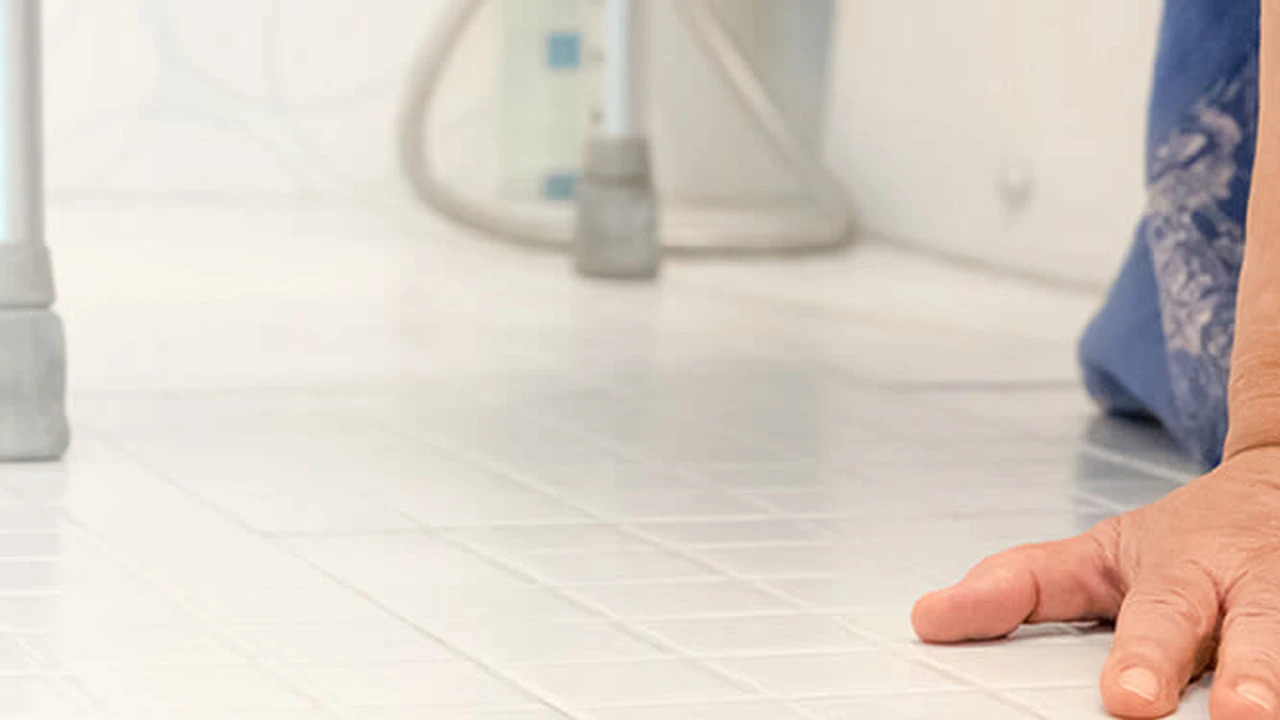
- Falls: Impaired balance, vision, and judgment increase the risk of falls, which can lead to serious injuries.
- Ingestion of harmful substances: Residents might mistake cleaning products or medications for food or drink.
- Misuse of appliances: Forgetting how to safely operate kitchen appliances or other household items.
- Aggression or agitation: Confusion and frustration can sometimes lead to challenging behaviors that require a safe and calming environment.
A good memory care facility anticipates these challenges and designs its environment and protocols to mitigate them effectively.
Architectural Design for Secure Memory Care Environments
The physical layout of a memory care facility plays a monumental role in resident safety and well-being. It’s not just about locking doors; it’s about creating a space that feels open and inviting while subtly guiding residents and preventing unsafe situations.
Secure Perimeter and Controlled Access for Dementia Care
The first line of defense against wandering is a secure perimeter. This means the entire facility, or at least the memory care unit, is enclosed and has controlled access points. Look for:
- Fenced or walled outdoor areas: Gardens and courtyards should be securely enclosed, allowing residents to enjoy fresh air without the risk of wandering off. The fencing should be high enough and designed to not look like a barrier, perhaps integrated with landscaping.
- Keypad or fob entry/exit systems: All external doors and sometimes internal doors between units should require a code or a special fob for entry and exit. Staff will have these, but residents will not.
- Delayed egress systems: These systems are often used on exit doors. When someone attempts to open the door, an alarm sounds, and the door remains locked for a short period (e.g., 15-30 seconds), giving staff time to respond.
- Discreet exits: Sometimes, facilities will disguise exit doors to blend in with the wall or use murals to make them less obvious to residents who might be looking for an 'escape.'
Layout and Navigation for Cognitive Support
The internal layout should be intuitive and easy to navigate, reducing confusion and anxiety.
- Circular or looped hallways: These allow residents to walk without encountering dead ends, which can cause frustration. They can walk for exercise and exploration without getting lost.
- Clear signage with visual cues: Instead of just words, signs for bathrooms, dining areas, and bedrooms should include easily recognizable pictures or symbols. Personal photos outside resident rooms can help with identification.
- Minimizing clutter and obstacles: Clear pathways reduce the risk of falls. Furniture should be sturdy and not easily tipped.
- Homelike environment: While secure, the space should feel comfortable and familiar, not institutional. This can reduce agitation.
Lighting and Color Schemes for Visual Clarity
Good lighting and thoughtful color choices can significantly impact a resident's perception and safety.
- Ample natural light: Maximizes visibility and helps regulate circadian rhythms, which can improve sleep and reduce sundowning.
- Even, glare-free artificial lighting: Avoid harsh shadows or overly bright spots. Dimmers can be useful.
- Contrasting colors: Use contrasting colors for walls and floors, or for toilet seats against bathroom floors, to help residents distinguish different surfaces and objects, reducing fall risk. Avoid busy patterns on floors that can be misinterpreted as obstacles or holes.
Advanced Monitoring Systems for Enhanced Resident Safety
Technology plays a vital role in modern memory care, offering discreet yet effective monitoring to ensure resident safety without being overly intrusive.
Wandering Prevention and Location Tracking Systems
These systems are designed specifically to prevent residents from leaving the facility unnoticed.
- Wearable RFID or GPS devices: Residents wear a bracelet or pendant that triggers an alarm if they approach an exit or leave a designated safe zone. Some advanced systems can even track their location within the facility or if they somehow manage to leave the premises.
- Door alarms and motion sensors: These can be placed on exit doors or in resident rooms to alert staff if a resident attempts to leave their room at night or approaches an unauthorized area.
Fall Detection and Prevention Technologies
Falls are a major concern, and technology can help prevent them or ensure a quick response.
- Pressure mats: Placed beside beds or chairs, these alert staff when a resident gets up, allowing staff to assist them before a fall occurs.
- Wearable fall detection devices: Some smartwatches or pendants can detect a sudden impact and automatically alert staff or emergency services.
- Infrared or radar-based motion sensors: These can monitor movement in a room without requiring a wearable device, alerting staff to unusual activity or a potential fall.
Video Monitoring and Surveillance in Common Areas
While privacy is important, discreet video monitoring in common areas can be a valuable safety tool.
- Discreet cameras: Placed in hallways, dining areas, and lounges, these can help staff monitor resident activity, identify potential issues, and review incidents if necessary. They should never be in private rooms.
- Centralized monitoring stations: Staff can monitor multiple areas from a central location, allowing for quicker response times.
Staff Training and Emergency Preparedness in Memory Care
Even the best technology and design are only as effective as the people operating them. Highly trained staff are the backbone of a safe memory care environment.
Specialized Dementia Care Training for Staff
All staff, from caregivers to administrative personnel, should receive specific training in dementia care.
- Understanding dementia behaviors: Training should cover how to recognize and respond to common dementia-related behaviors like agitation, confusion, and sundowning.
- Communication techniques: Learning how to communicate effectively with individuals with dementia, using clear, simple language and non-verbal cues.
- De-escalation strategies: Training on how to calm and reassure residents who are distressed or agitated without resorting to physical restraints.
Emergency Protocols and Evacuation Plans
Memory care facilities must have clear and regularly practiced emergency plans.
- Fire safety and evacuation drills: Regular drills are essential, adapted for residents with cognitive impairments who may not follow instructions easily.
- Medical emergency response: Staff should be trained in first aid, CPR, and how to respond to various medical emergencies.
- Disaster preparedness: Plans for natural disasters or other emergencies specific to the region.
Specific Product Recommendations for Enhanced Memory Care Safety
Beyond the general features, several specific products can significantly enhance safety in a memory care setting, whether in a dedicated facility or even at home with professional caregivers. Here are a few categories and examples:
Smart Home Safety Devices for Dementia Patients
These devices leverage technology to provide discreet monitoring and alerts.
- Google Nest Hub Max (or Amazon Echo Show): While primarily a smart display, its built-in camera can be used for discreet check-ins (with consent and privacy considerations) in common areas. Its voice assistant can also be programmed with reminders for medication or meals, reducing confusion. Usage Scenario: Placed in a common living area, it allows staff to quickly glance at activity without being physically present, and residents can ask it questions or play music, providing engagement. Comparison: Nest Hub Max offers superior video quality and Google Assistant's robust search capabilities. Echo Show integrates better with Amazon's ecosystem. Price: ~$150-$230.
- Smart Door/Window Sensors (e.g., Aqara Door and Window Sensor): These small, discreet sensors can be placed on exit doors or windows. If opened, they send an alert to a connected smartphone or smart home hub. Usage Scenario: Ideal for monitoring external doors or even internal doors to restricted areas. Staff receive instant notifications if a resident attempts to exit. Comparison: Many brands offer similar functionality (Samsung SmartThings, Ring, Wyze). Aqara is often praised for its reliability and battery life. Price: ~$15-$25 per sensor.
- Smart Water Leak Detectors (e.g., Govee WiFi Water Sensor): While not directly related to wandering, these prevent hazards like overflowing bathtubs or burst pipes, which can create slippery surfaces and damage. Usage Scenario: Placed near sinks, toilets, or washing machines. Alerts staff to potential water hazards. Comparison: Govee offers good app integration and alerts. Many smart home brands have similar products. Price: ~$20-$30.
Wearable Technology for Location and Fall Detection
These devices offer peace of mind by providing real-time location and emergency alerts.
- GPS Trackers for Seniors (e.g., AngelSense GPS Tracker for Dementia): This is a dedicated GPS tracker designed for individuals with dementia. It offers real-time tracking, geofencing (alerts when leaving a safe zone), and even two-way voice communication. It's often worn discreetly on clothing. Usage Scenario: For residents prone to wandering, this provides continuous monitoring and allows for quick location if they leave the facility. Comparison: Other general-purpose GPS trackers exist, but AngelSense is specifically tailored for dementia, offering features like 'safe zones' and 'unlimited live tracking.' Price: ~$99 for the device, plus a monthly subscription fee (typically $30-$45).
- Medical Alert Systems with Fall Detection (e.g., MobileHelp Classic with Fall Detection): These systems combine a wearable button (pendant or wristband) with automatic fall detection. If a fall is detected, or the button is pressed, it connects to a 24/7 monitoring center. Usage Scenario: Provides immediate assistance in case of a fall, especially in private rooms or less-monitored areas. Comparison: Life Alert, Bay Alarm Medical, and Medical Guardian are other popular providers. MobileHelp is known for its reliable fall detection and mobile options. Price: ~$20-$50 monthly subscription, device often included or a small one-time fee.
Environmental Safety Enhancements
Products that modify the physical environment to reduce risks.
- Door Alarms/Wedge Alarms (e.g., GE Personal Security Door Stop Alarm): A simple, battery-operated device that wedges under a door and emits a loud alarm if the door is opened. Usage Scenario: Can be used as an additional layer of security on resident room doors or less-used exits. Comparison: Many generic brands exist. GE offers a reputable option. Price: ~$10-$15.
- Anti-Scald Devices for Faucets (e.g., Thermostatic Mixing Valves): These devices mix hot and cold water to ensure the water temperature at the tap never exceeds a safe limit, preventing burns. Usage Scenario: Essential for all bathrooms and kitchens in a memory care facility. Comparison: These are typically installed by plumbers. Brands like Moen or Delta offer integrated solutions. Price: Varies significantly based on installation and type, but the device itself can be $50-$200+.
- Non-Slip Floor Treatments (e.g., SlipDoctors Dura Grip): A clear, non-slip coating that can be applied to existing flooring to increase traction and reduce the risk of falls, especially in bathrooms or kitchens. Usage Scenario: Ideal for high-traffic areas or places prone to moisture. Comparison: Many brands offer similar products. SlipDoctors is a well-known name in anti-slip solutions. Price: ~$50-$150 per gallon, depending on coverage.
The Importance of a Holistic Approach to Memory Care Safety
Ultimately, effective memory care safety isn't about one single feature or product; it's about a comprehensive, multi-layered approach. It combines thoughtful architectural design, advanced technology, highly trained staff, and a deep understanding of the unique needs of individuals living with dementia. When evaluating a memory care facility, don't just look for individual safety features. Ask how they all work together. How do staff respond to an alarm? What is the protocol if a resident is found wandering? How often are emergency drills conducted?
A truly safe and secure memory care environment is one where residents can live with purpose and dignity, where their families have peace of mind, and where every detail, from the color of the walls to the type of door alarm, is designed with their well-being at heart. It’s about creating a sanctuary, not a prison, where freedom is balanced with protection, and care is delivered with compassion and expertise.
Remember, your loved one deserves an environment where they can thrive, even as their cognitive abilities change. Prioritizing safety features and secure environments is a fundamental step in ensuring that happens.
:max_bytes(150000):strip_icc()/277019-baked-pork-chops-with-cream-of-mushroom-soup-DDMFS-beauty-4x3-BG-7505-5762b731cf30447d9cbbbbbf387beafa.jpg)