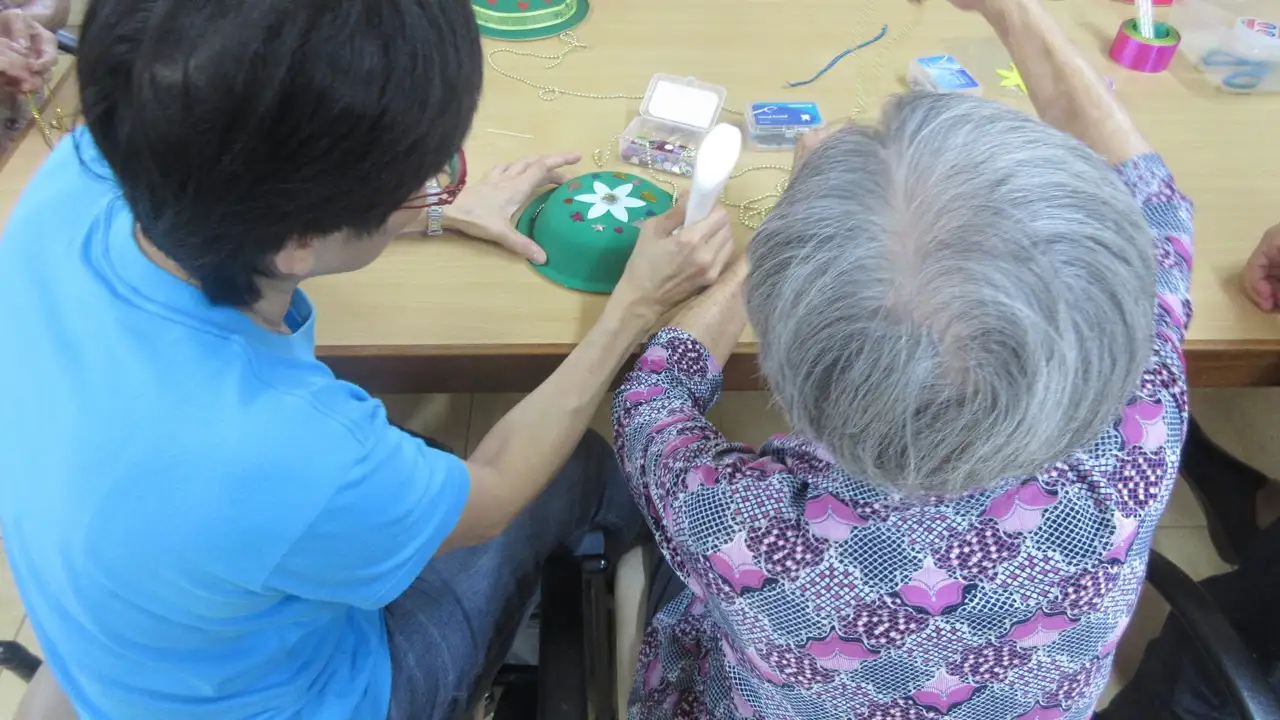
Learn how in-home care can provide crucial support and assistance during the recovery period after surgery for seniors.
Learn how in-home care can provide crucial support and assistance during the recovery period after surgery for seniors.
Home Care for Post Surgery Recovery A Guide
Understanding Post Surgery Recovery Needs for Seniors
Recovering from surgery can be a challenging time for anyone, but for seniors, it often presents a unique set of hurdles. The body's natural healing processes slow with age, making recovery longer and potentially more complex. Furthermore, seniors may have pre-existing conditions that complicate post-operative care, such as diabetes, heart disease, or cognitive impairments. Mobility can be significantly reduced, pain management becomes a critical concern, and the risk of complications like infections or falls increases. This is where professional in-home care steps in, offering a lifeline of support that can make all the difference in a senior's recovery journey. Instead of navigating a hospital discharge to an empty home or relying solely on overwhelmed family members, in-home care provides a structured, personalized, and comforting environment for healing. It's about bringing expert care directly to where seniors feel most at ease, promoting faster and safer recovery outcomes.
Benefits of In Home Care During Post Operative Period
Choosing in-home care for post-surgery recovery offers a multitude of benefits that directly address the specific needs of seniors. Firstly, it provides a familiar and comfortable environment. There's no place like home for healing, and being surrounded by personal belongings and routines can significantly reduce stress and anxiety, which are often detrimental to recovery. Secondly, in-home care offers personalized attention. Unlike a hospital or rehabilitation facility where staff-to-patient ratios can be high, a dedicated in-home caregiver focuses solely on one individual, tailoring care to their exact needs and preferences. This includes assistance with daily activities like bathing, dressing, and meal preparation, which can be difficult or unsafe for a recovering senior to manage alone. Thirdly, professional caregivers are trained in medication management, ensuring that prescriptions are taken correctly and on schedule, a critical aspect of post-operative care. They can also monitor for potential complications, such as signs of infection or adverse reactions to medication, and communicate promptly with medical professionals or family members. Fourthly, in-home care significantly reduces the risk of re-hospitalization. By providing consistent support, monitoring, and adherence to recovery protocols, caregivers help prevent setbacks that could lead to another hospital stay. Finally, and perhaps most importantly, in-home care offers peace of mind for both the senior and their family. Knowing that a loved one is safe, comfortable, and receiving expert care allows families to focus on emotional support rather than the overwhelming logistics of caregiving.
Types of In Home Care Services for Surgical Recovery
In-home care for surgical recovery isn't a one-size-fits-all solution; it encompasses a range of services designed to meet varying levels of need. These services can be broadly categorized into several key areas:
Personal Care Assistance for Seniors Post Surgery
This is often the most immediate and essential need after surgery. Personal care includes help with activities of daily living (ADLs) that become challenging due to pain, limited mobility, or weakness. Caregivers assist with bathing, showering, dressing, grooming, and toileting, ensuring hygiene and dignity are maintained. They can also help with transferring from bed to chair, walking, and repositioning to prevent pressure sores. This level of support is crucial for maintaining comfort and preventing falls, which are a significant risk during recovery.
Medication Management and Monitoring for Post Operative Patients
Adhering to a strict medication schedule is vital for pain management, infection prevention, and overall recovery. Caregivers can provide medication reminders, assist with opening pill bottles, and ensure medications are taken as prescribed. They also monitor for side effects or adverse reactions and report any concerns to family or medical professionals. Some agencies may offer more advanced medication management by licensed nurses, depending on state regulations and the specific needs of the patient.
Meal Preparation and Nutrition Support for Healing
Proper nutrition is fundamental to healing, but cooking can be impossible for a recovering senior. Caregivers can prepare nutritious meals tailored to dietary restrictions or preferences, ensuring the senior receives the necessary vitamins and nutrients for recovery. They can also assist with grocery shopping and ensure the kitchen is clean and safe.
Light Housekeeping and Errands for Post Surgery Comfort
Maintaining a clean and organized home environment contributes to both physical and mental well-being. Caregivers can perform light housekeeping tasks such as tidying up, laundry, and changing bed linens. They can also run essential errands, like picking up prescriptions or groceries, allowing the senior to focus solely on recovery.
Transportation to Follow Up Appointments and Therapy
Post-operative care often involves follow-up doctor's appointments, physical therapy, or occupational therapy sessions. Caregivers can provide safe and reliable transportation to and from these appointments, ensuring the senior doesn't miss crucial aspects of their recovery plan. They can also assist with mobility during these outings.
Companionship and Emotional Support During Recovery
Beyond the physical aspects, the emotional toll of surgery and recovery can be significant. Seniors may experience loneliness, anxiety, or depression. Caregivers provide invaluable companionship, engaging in conversation, reading aloud, playing games, or simply being a comforting presence. This emotional support can greatly enhance a senior's overall well-being and contribute to a more positive recovery experience.
Skilled Nursing Care for Complex Post Operative Needs
For more complex medical needs, some home care agencies offer skilled nursing services. This can include wound care, intravenous (IV) therapy, catheter care, ostomy care, and monitoring of vital signs. These services are provided by licensed nurses (RNs or LPNs) and are often coordinated with the senior's physician to ensure continuity of care. This level of care is particularly beneficial for seniors with more extensive surgical procedures or those with multiple chronic conditions.
Choosing the Right Home Care Agency for Post Surgery Recovery
Selecting the right home care agency is a critical decision that can significantly impact the success of a senior's post-surgery recovery. It's not just about finding someone to help; it's about finding the right fit, ensuring quality, reliability, and compassion. Here are key factors to consider:
Accreditation and Licensing of Home Care Providers
Always verify that the agency is licensed by the state and, if applicable, accredited by recognized organizations like the Joint Commission or the Accreditation Commission for Health Care (ACHC). Licensing ensures they meet basic operational standards, while accreditation often indicates a higher commitment to quality and safety. This provides a baseline level of assurance regarding their professionalism and adherence to industry best practices.
Caregiver Training and Experience in Post Operative Care
Inquire about the agency's hiring process and caregiver training. Are caregivers thoroughly vetted with background checks? Do they receive specialized training in post-operative care, such as wound observation, fall prevention, or specific mobility assistance techniques? Experience with seniors, particularly those recovering from surgery, is invaluable. Ask about their protocols for managing pain, recognizing complications, and communicating with medical professionals.
Customized Care Plans and Flexibility for Changing Needs
A reputable agency will offer personalized care plans tailored to the senior's specific surgical recovery needs. This plan should be developed in consultation with the senior, their family, and their medical team. Crucially, the agency should demonstrate flexibility. Recovery is not always linear, and needs can change. Can the care plan be easily adjusted to increase or decrease services as the senior progresses? This adaptability is key to effective long-term support.
Communication Protocols and Family Involvement
Clear and consistent communication is paramount. How does the agency communicate with family members about the senior's progress, any concerns, or changes in their condition? Do they provide regular updates? Is there a designated point of contact? A good agency will foster open communication and actively involve family in the care process, ensuring everyone is informed and aligned.
Emergency Procedures and Backup Caregiver Plans
Emergencies can happen. Ask about the agency's emergency protocols. What happens if a caregiver is sick or unable to make a shift? Do they have a reliable system for providing backup care to ensure continuity of service? Understanding their contingency plans provides peace of mind that your loved one will always be cared for.
Cost and Payment Options for Home Care Services
Discuss the agency's fee structure upfront. Are there different rates for different services or times of day? What payment methods do they accept? Do they assist with insurance claims or provide guidance on potential funding sources like long-term care insurance, VA benefits, or Medicaid waivers? Transparency in pricing is essential to avoid unexpected costs.
Recommended Home Care Products for Post Surgery Recovery
Beyond the services of a caregiver, certain products can significantly enhance a senior's comfort, safety, and independence during post-surgery recovery at home. These tools can bridge gaps in care, reduce caregiver strain, and empower seniors in their healing journey.
Mobility Aids Walkers Canes and Rollators
Mobility aids are often indispensable after surgery, especially for procedures affecting the lower body or those that cause general weakness. They provide stability, reduce the risk of falls, and help conserve energy. Here are some top recommendations:
* Drive Medical Deluxe 4-Wheel Rollator with Seat: This is a popular choice due to its versatility. It features four wheels for easy maneuverability, hand brakes for safety, and a padded seat with a backrest, allowing seniors to rest when needed. It often includes a storage pouch for personal items. *Usage Scenario:* Ideal for seniors needing moderate support for walking, who might also need frequent breaks. *Price:* Typically ranges from $80 - $150.
* Hugo Mobility Quad Cane: For seniors needing more stability than a single-point cane but less than a rollator, a quad cane is excellent. Its four-point base provides a wider, more stable foundation. *Usage Scenario:* Suitable for seniors with balance issues or those recovering from minor leg or hip surgery. *Price:* Around $30 - $60.
* Medline Guardian K4 Basic Walker: A standard folding walker offers robust support and is often recommended for initial post-surgery mobility. It's lightweight and easy to fold for transport. *Usage Scenario:* Best for seniors needing significant support for short distances, especially immediately after surgery. *Price:* Approximately $40 - $70.
The bathroom is one of the most hazardous areas for seniors, particularly during recovery. Installing appropriate safety equipment is crucial for preventing falls.
* Moen Home Care 16-Inch Grab Bar: These are essential for providing stable support when entering/exiting the shower or using the toilet. Look for models that are ADA compliant and professionally installed. *Usage Scenario:* Install near the toilet, inside the shower/tub, and next to the shower entrance. *Price:* $20 - $50 per bar (installation extra).
* Drive Medical Deluxe Shower Chair with Back: A shower chair allows seniors to sit while bathing, conserving energy and reducing the risk of slipping on wet surfaces. Models with backs and armrests offer additional support. *Usage Scenario:* For any senior with weakness, dizziness, or balance issues post-surgery. *Price:* $40 - $80.
* Carex Health Brands Raised Toilet Seat with Arms: Raising the toilet seat height reduces the effort required to sit down and stand up, which is particularly beneficial after hip or knee surgery. Arms provide extra leverage. *Usage Scenario:* Essential for seniors with lower body mobility restrictions. *Price:* $30 - $60.
Comfort and Positioning Aids Bed Rails and Support Pillows
Comfort is key to healing, and proper positioning can prevent complications and reduce pain.
* Stander EZ Adjust Bed Rail: This rail provides support for getting in and out of bed and can also prevent falls during sleep. Its adjustable length allows it to be used as a half-rail for mobility or a full-rail for fall prevention. *Usage Scenario:* For seniors needing assistance with bed transfers or those at risk of falling out of bed. *Price:* $80 - $150.
* Leachco Snoogle Total Body Pillow: While not specifically medical, a full-body support pillow can provide immense comfort and help maintain proper spinal alignment, especially after back or abdominal surgery. *Usage Scenario:* For general comfort, pain relief, and support during sleep. *Price:* $50 - $70.
Remote Monitoring and Communication Devices Medical Alert Systems
Even with in-home care, there will be times when a senior is alone. Medical alert systems provide a crucial layer of safety and peace of mind.
* Life Alert: A well-known service offering immediate access to emergency help with the push of a button. They often include fall detection features. *Usage Scenario:* For seniors living alone or those at high risk of falls. *Price:* Subscription-based, typically $30 - $50 per month.
* Philips Lifeline: Another leading medical alert service with various options, including mobile systems and fall detection. *Usage Scenario:* Similar to Life Alert, providing quick access to emergency services. *Price:* Subscription-based, typically $30 - $60 per month.
* Amazon Echo Show (with Alexa Together): While not a traditional medical alert, the Echo Show combined with Amazon's 'Alexa Together' service can offer a more integrated solution. It allows family members to remotely check in, provides activity alerts, and offers an urgent response feature. *Usage Scenario:* For tech-savvy seniors and families who want a more interactive monitoring system. *Price:* Echo Show device ($80 - $250) plus Alexa Together subscription ($20 per month).
Preparing Your Home for Post Surgery Recovery
Making a few adjustments to the home environment before a senior returns from surgery can significantly enhance their safety, comfort, and ease of recovery. Proactive preparation can prevent falls, reduce strain, and make daily living much more manageable.
Decluttering and Creating Clear Pathways for Mobility
One of the simplest yet most effective steps is to declutter. Remove any tripping hazards such as loose rugs, electrical cords, and excessive furniture. Ensure pathways are wide enough for a walker or wheelchair if needed. Clear a direct route from the bedroom to the bathroom and kitchen, as these will be the most frequently used areas. This minimizes obstacles and reduces the risk of falls, which can be devastating during recovery.
Arranging Essential Items Within Easy Reach
Anticipate what the senior will need most frequently and place these items within easy reach. This includes medications, water, snacks, reading materials, remote controls, and a phone. If they will be spending a lot of time in bed or a recliner, set up a bedside table or a small caddy with these essentials. This prevents unnecessary stretching, bending, or walking, conserving energy for healing.
Ensuring Adequate Lighting Throughout the Home
Good lighting is crucial for preventing falls, especially at night. Install nightlights in hallways, bedrooms, and bathrooms. Ensure all rooms are well-lit during the day, and consider adding brighter bulbs where needed. Easy-to-reach light switches or voice-activated lighting can also be beneficial, especially if mobility is limited.
Modifying the Bathroom for Safety and Accessibility
As mentioned earlier, the bathroom is a high-risk area. Install grab bars in the shower/tub and next to the toilet. A shower chair or bench is highly recommended. A raised toilet seat can also make a significant difference. Ensure non-slip mats are used in the shower and on the bathroom floor. Consider a handheld showerhead for easier bathing.
Setting Up a Comfortable Recovery Zone
Designate a primary recovery area where the senior will spend most of their time. This could be their bedroom or a comfortable living room. Ensure it's easily accessible, well-ventilated, and has a comfortable chair or bed. Have pillows, blankets, and entertainment options (TV, books, music) readily available. This dedicated space helps create a calm and supportive environment for healing.
The Role of Family in Supporting Post Surgery Home Care
While professional in-home care provides invaluable support, the role of family remains crucial. Family members offer emotional comfort, advocacy, and a deeper understanding of the senior's preferences and history. Their involvement creates a holistic care environment that significantly contributes to a successful recovery.
Communication and Coordination with Caregivers and Medical Team
Family members are often the primary point of contact and should facilitate open communication between the in-home caregivers and the senior's medical team. Share discharge instructions, medication lists, and any specific concerns with the caregiver. Regularly check in with the caregiver for updates and relay any new information or questions to the doctor. This collaborative approach ensures everyone is on the same page and working towards the same recovery goals.
Emotional Support and Encouragement for the Senior
Recovery can be emotionally taxing. Seniors may feel frustrated, anxious, or even depressed due to pain, loss of independence, or the slow pace of healing. Family members provide essential emotional support, encouragement, and reassurance. Regular visits, phone calls, and engaging in light activities can boost morale and remind the senior they are loved and supported. Your presence can be as healing as any medication.
Advocacy and Decision Making on Behalf of the Senior
Family members often serve as advocates, especially if the senior is too weak or confused to speak for themselves. This involves asking questions of medical professionals, ensuring the senior's wishes are respected, and making informed decisions about their care. Having a designated family member as a primary point of contact for the care team can streamline communication and decision-making.
Assisting with Non Caregiving Tasks and Logistics
While caregivers handle direct care, family can assist with other logistical tasks that ease the burden on the senior and the care team. This might include managing mail, paying bills, coordinating other appointments, or simply ensuring the refrigerator is stocked with preferred foods. Taking care of these 'behind-the-scenes' tasks allows the senior and caregiver to focus on recovery.
Recognizing Signs of Complications and Seeking Medical Attention
Family members, who know the senior best, are often the first to notice subtle changes that might indicate a complication. Be vigilant for signs of infection (fever, redness, swelling at the incision site), increased pain, unusual lethargy, confusion, or any other concerning symptoms. Don't hesitate to contact the medical team or the home care agency if you have any worries. Early detection can prevent more serious issues.
Navigating Post Surgery Recovery with Confidence
Post-surgery recovery for seniors doesn't have to be a daunting ordeal. With the right combination of professional in-home care, thoughtful home preparation, and strong family support, seniors can navigate this period with greater comfort, safety, and confidence. The goal is to create an environment where healing is prioritized, independence is fostered where possible, and peace of mind is paramount for everyone involved. By understanding the available resources and proactively planning, families can ensure their loved ones receive the best possible care, leading to a smoother and more successful recovery journey back to health and well-being.

:max_bytes(150000):strip_icc()/277019-baked-pork-chops-with-cream-of-mushroom-soup-DDMFS-beauty-4x3-BG-7505-5762b731cf30447d9cbbbbbf387beafa.jpg)