Home Care for Chronic Illness Management Support at Home
Explore how in-home care services assist seniors in managing chronic illnesses, promoting health and independence.
Explore how in-home care services assist seniors in managing chronic illnesses, promoting health and independence.
Home Care for Chronic Illness Management Support at Home
Living with a chronic illness can be incredibly challenging, not just for the individual but for their entire family. Conditions like diabetes, heart disease, COPD, arthritis, and Alzheimer's require ongoing management, often involving complex medication schedules, dietary restrictions, regular monitoring, and sometimes even specialized equipment. While hospitals and nursing homes offer intensive care, many seniors prefer to manage their chronic conditions in the comfort and familiarity of their own homes. This is where home care services become an invaluable resource, providing the necessary support to maintain health, independence, and a good quality of life right where they belong.
Understanding Chronic Illness and the Need for Home Care Support
Chronic illnesses are long-lasting conditions that generally cannot be cured but can be controlled and managed. They are a leading cause of death and disability worldwide, and their prevalence increases significantly with age. For seniors, managing one or more chronic conditions can be overwhelming. Daily tasks that were once simple can become monumental hurdles. For instance, a senior with severe arthritis might struggle to prepare healthy meals, while someone with heart failure might find it difficult to monitor their fluid intake and weight daily. These challenges often lead to a decline in health, increased hospitalizations, and a reduced quality of life if not properly addressed.
Home care services offer a personalized solution. Instead of a one-size-fits-all approach, care plans are tailored to the specific needs of the individual and their chronic conditions. This can range from simple companion care to highly skilled nursing care, all delivered in the familiar surroundings of the senior's home. The goal is to empower seniors to live as independently as possible, minimize the impact of their illness, and prevent complications that could lead to institutionalization.
Key Benefits of In-Home Care for Chronic Disease Management
There are numerous advantages to choosing in-home care for managing chronic illnesses:
Personalized Care Plans for Chronic Conditions
Unlike the often rigid schedules of institutional care, home care provides highly individualized attention. A care plan is developed in consultation with the senior, their family, and their healthcare providers, addressing specific medical needs, personal preferences, and daily routines. This ensures that care is not only effective but also respectful of the individual's lifestyle.
Medication Management and Adherence Support
One of the biggest challenges in chronic illness management is medication adherence. Seniors often take multiple medications, each with specific dosages and timings. Home care providers can assist with medication reminders, organize pillboxes, and even administer medications if they are licensed nurses. This significantly reduces the risk of missed doses, incorrect dosages, or adverse drug interactions, which can be critical for conditions like diabetes or hypertension.
Assistance with Daily Living Activities ADLs and IADLs
Chronic illnesses can impair a senior's ability to perform Activities of Daily Living (ADLs) such as bathing, dressing, grooming, and toileting, as well as Instrumental Activities of Daily Living (IADLs) like meal preparation, light housekeeping, and transportation. Home care aides can provide crucial assistance with these tasks, ensuring personal hygiene, a clean living environment, and access to nutritious food, all of which are vital for managing chronic conditions.
Nutritional Support and Meal Preparation for Specific Diets
Diet plays a critical role in managing many chronic illnesses. For example, individuals with diabetes need to monitor carbohydrate intake, while those with heart disease often require low-sodium diets. Home care providers can assist with grocery shopping, meal planning, and preparing meals that adhere to specific dietary restrictions, ensuring seniors receive proper nutrition without the stress of cooking.
Monitoring and Early Detection of Changes in Health
A consistent presence in the home allows caregivers to closely monitor a senior's condition. They can observe changes in symptoms, vital signs, mood, or behavior that might indicate a worsening of the chronic illness or the onset of a new complication. Early detection means quicker intervention by healthcare professionals, potentially preventing hospitalizations or more severe health crises. Caregivers can also assist with tracking blood sugar levels, blood pressure, or oxygen saturation as directed by medical staff.
Coordination of Care with Healthcare Providers
Home care agencies often play a vital role in coordinating care between the senior, their family, and their medical team. Caregivers can communicate observations to doctors, facilitate appointments, and ensure that medical instructions are followed. This holistic approach ensures that everyone involved in the senior's care is on the same page, leading to better health outcomes.
Emotional Support and Companionship for Well-being
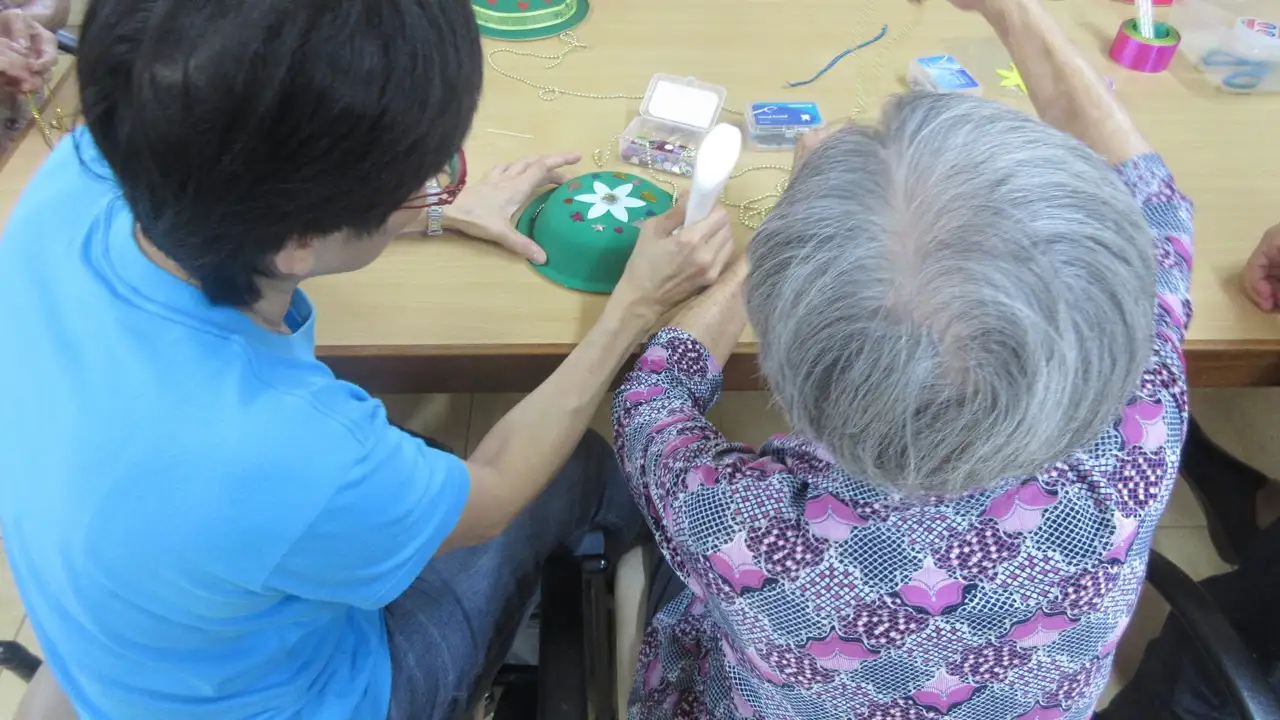
Living with a chronic illness can be isolating and lead to feelings of depression or anxiety. Home care providers offer not just physical assistance but also invaluable emotional support and companionship. Engaging in conversation, participating in hobbies, or simply having a friendly presence can significantly improve a senior's mental and emotional well-being, which in turn positively impacts their physical health.
Types of Home Care Services for Chronic Illness Management
The spectrum of home care services is broad, allowing for flexible and scalable support:
Personal Care Services for Daily Needs
These services focus on assisting with ADLs, such as bathing, dressing, grooming, toileting, and mobility. For seniors with chronic conditions affecting physical strength or balance, this support is crucial for maintaining hygiene and preventing falls.
Companion Care for Social Engagement and Light Tasks
Companion care provides social interaction, light housekeeping, meal preparation, medication reminders, and transportation to appointments. This is ideal for seniors who need some assistance but are largely independent, and for those who benefit from regular social interaction to combat loneliness.
Skilled Nursing Care for Medical Procedures
For more complex chronic conditions, skilled nursing care is essential. Registered Nurses (RNs) or Licensed Practical Nurses (LPNs) can provide services such as wound care, injections, IV therapy, catheter care, ostomy care, and complex medication management. They can also educate seniors and families on managing their condition effectively.
Therapy Services Physical Occupational Speech
Many chronic illnesses benefit from ongoing therapy. Physical therapists can help improve mobility and strength, occupational therapists can teach adaptive techniques for daily tasks, and speech therapists can assist with swallowing or communication issues. These therapies can often be delivered in the home, making them more accessible and comfortable for seniors.
Technology and Products Enhancing Home Care for Chronic Illness
Technology plays an increasingly important role in supporting seniors with chronic illnesses at home. These tools can enhance safety, improve monitoring, and facilitate communication.
Remote Patient Monitoring Devices for Health Tracking
Remote patient monitoring (RPM) devices allow healthcare providers to track vital signs and other health data from a distance. This is particularly beneficial for conditions like heart failure, hypertension, and diabetes, where daily monitoring is crucial.
Product Recommendation 1: Omron Complete Wireless Upper Arm Blood Pressure Monitor + EKG
- Description: This device combines a clinically validated blood pressure monitor with a personal EKG, allowing users to track both blood pressure and heart rhythm at home. It connects wirelessly to a smartphone app, providing a comprehensive view of cardiovascular health.
- Use Case: Ideal for seniors with hypertension, atrial fibrillation (AFib), or other heart conditions who need to regularly monitor their vital signs and share data with their doctor.
- Comparison: Many blood pressure monitors exist, but the integrated EKG feature sets this apart, offering a more holistic view of heart health. Other EKG devices might be separate and less user-friendly for daily use.
- Price Range: Typically ranges from $150 - $200.
Product Recommendation 2: Dexcom G6 Continuous Glucose Monitoring (CGM) System
- Description: A small, wearable sensor that continuously measures glucose levels just beneath the skin and sends readings wirelessly to a display device or smartphone every five minutes. It eliminates the need for painful fingersticks.
- Use Case: Essential for seniors with Type 1 or Type 2 diabetes who require frequent glucose monitoring to manage their condition effectively and prevent dangerous highs or lows.
- Comparison: Traditional glucometers require finger pricks and only provide a snapshot of glucose levels. CGMs offer real-time data and trend analysis, which is invaluable for proactive diabetes management. Other CGM brands like FreeStyle Libre also exist, offering similar benefits with slightly different features.
- Price Range: The sensor and transmitter are typically covered by insurance, but out-of-pocket costs can vary. A monthly supply of sensors might cost $300-$400 without insurance.
Smart Medication Dispensers for Adherence
These devices help seniors remember to take their medications on time and in the correct dosage, reducing the risk of errors.
Product Recommendation 3: Hero Automatic Pill Dispenser
- Description: A smart medication dispenser that sorts, dispenses, and reminds users to take their pills. It can store up to a 90-day supply of 10 different medications and sends alerts to the user and designated caregivers if a dose is missed.
- Use Case: Perfect for seniors with complex medication regimens for multiple chronic conditions, especially those with mild cognitive impairment or who live alone.
- Comparison: Basic pill organizers are manual and offer no reminders. Other automatic dispensers might be less sophisticated in terms of medication capacity or remote monitoring features. Hero offers a comprehensive solution with app integration.
- Price Range: Requires a monthly subscription, typically around $30-$40, plus an initial device fee or rental.
Medical Alert Systems for Emergency Response
These systems provide immediate access to help in case of a fall or other emergency, offering peace of mind for both seniors and their families.
Product Recommendation 4: Philips Lifeline GoSafe 2 with AutoAlert
- Description: A mobile medical alert system that works both inside and outside the home. It features automatic fall detection (AutoAlert) and GPS location tracking, connecting users to a response center 24/7.
- Use Case: Ideal for active seniors with chronic conditions that increase fall risk (e.g., Parkinson's, osteoporosis) or those who spend time alone and need immediate assistance in an emergency.
- Comparison: Many medical alert systems exist, but the combination of mobile coverage, automatic fall detection, and reliable monitoring makes Lifeline a top choice. Basic systems might only work within the home or require manual button presses.
- Price Range: Monthly service fees typically range from $40 - $60, with an initial equipment fee sometimes.
Smart Home Devices for Safety and Convenience
Smart home technology can be adapted to create a safer and more accessible environment for seniors with chronic illnesses.
Product Recommendation 5: Google Nest Hub Max with Google Assistant
- Description: A smart display with a built-in camera and Google Assistant. It can be used for video calls with family and doctors, setting reminders (medication, appointments), controlling smart home devices (lights, thermostats), and accessing information.
- Use Case: Useful for seniors who benefit from visual reminders, easy communication with caregivers, and voice-activated control of their environment, especially those with mobility limitations.
- Comparison: Other smart displays like Amazon Echo Show offer similar functionalities. The Nest Hub Max stands out with its larger screen and seamless integration with Google services.
- Price Range: Around $229.
Choosing the Right Home Care Provider for Chronic Illness Management
Selecting the right home care agency is a critical decision. Here are some factors to consider:
Accreditation and Licensing of Home Care Agencies
Ensure the agency is licensed by the state and, if possible, accredited by recognized organizations. This indicates adherence to high standards of care and ethical practices.
Caregiver Training and Specialization in Chronic Conditions
Inquire about the training and experience of caregivers, especially regarding specific chronic illnesses. Do they have experience with diabetes management, dementia care, or post-stroke recovery? Are they trained in first aid and CPR?
Care Plan Customization and Flexibility
The agency should be willing to develop a personalized care plan that can be adjusted as the senior's needs change. Flexibility is key when managing progressive chronic conditions.
Communication Protocols and Family Involvement
Understand how the agency communicates with family members and healthcare providers. Regular updates and open lines of communication are essential for effective care coordination.
Emergency Procedures and Backup Care Plans
Ask about the agency's protocols for emergencies and how they handle situations where a primary caregiver is unavailable. A reliable agency will have robust backup plans.
Cost and Payment Options for Home Care Services
Discuss the cost of services upfront and explore all payment options, including private pay, long-term care insurance, veterans' benefits, or Medicaid waivers. Understand what is included in the fees and if there are any hidden costs.
Home Care in Southeast Asia for Chronic Illness Management
The landscape of home care for chronic illness management is also evolving rapidly in Southeast Asia. Countries like Singapore, Malaysia, and Thailand are seeing an increased demand for these services due to aging populations and a growing preference for care at home.
Cultural Considerations in Southeast Asian Home Care
In many Southeast Asian cultures, family plays a central role in elder care. Home care services often work in conjunction with family caregivers, providing supplementary support rather than replacing family involvement entirely. Respect for elders, traditional healing practices, and specific dietary customs are important considerations for home care providers in this region.
Emerging Trends and Service Models in the Region
We're seeing a rise in technology-enabled home care, including telehealth consultations and remote monitoring, especially in urban areas. There's also a growing focus on holistic care, integrating traditional medicine with Western medical approaches. Some providers are offering specialized chronic disease management programs tailored to local health challenges and cultural preferences.
Affordability and Accessibility of Home Care in Southeast Asia
While home care is becoming more accessible, affordability remains a key factor. Government subsidies and private insurance options are expanding, but out-of-pocket expenses can still be significant. The availability of skilled caregivers can also vary between urban and rural areas.
Empowering Seniors with Chronic Illnesses at Home
Managing chronic illnesses at home is not just about medical care; it's about preserving dignity, independence, and quality of life. Home care services provide a comprehensive and compassionate solution, allowing seniors to navigate the complexities of their health conditions within the comfort of their own environment. By combining professional care with innovative technology, we can empower seniors to live fuller, healthier lives, surrounded by the familiarity and love of their homes and families. It's about making sure that even with chronic challenges, home remains a place of comfort, healing, and joy.
:max_bytes(150000):strip_icc()/277019-baked-pork-chops-with-cream-of-mushroom-soup-DDMFS-beauty-4x3-BG-7505-5762b731cf30447d9cbbbbbf387beafa.jpg)