Assisted Living in Southeast Asia Cultural Considerations
Explore the growing assisted living options in Southeast Asia, considering cultural nuances and care standards.

Explore the growing assisted living options in Southeast Asia, considering cultural nuances and care standards. This article dives deep into the unique aspects of assisted living in countries like Thailand, Malaysia, and Singapore, offering insights into how cultural values, family structures, and local healthcare systems shape the senior care landscape. We'll also look at specific facilities, their offerings, and pricing to help you make informed decisions.
Assisted Living in Southeast Asia Cultural Considerations
When we talk about assisted living, our minds often jump to Western models – large facilities, structured activities, and a focus on individual independence. But what happens when you bring this concept to a region as culturally rich and diverse as Southeast Asia? It's a fascinating blend of tradition and modernity, where the idea of senior care is deeply intertwined with family values, community spirit, and evolving healthcare systems. If you're considering assisted living for yourself or a loved one in this vibrant part of the world, understanding these cultural nuances is absolutely key.
Southeast Asia is a vast region, encompassing countries like Thailand, Malaysia, Singapore, Vietnam, Indonesia, and the Philippines, among others. Each has its own distinct culture, language, and approach to elder care. However, there are some overarching themes that differentiate senior care here from what you might find in the West. Let's dive into these considerations and explore some specific examples.
The Role of Family and Filial Piety in Southeast Asian Senior Care
One of the most significant cultural factors influencing assisted living in Southeast Asia is the strong emphasis on family and filial piety. Traditionally, caring for elderly parents and grandparents has been a sacred duty, a cornerstone of family honor and respect. The idea of placing an elder in a 'home' was often seen as a last resort, or even a sign of neglect.
However, societal changes are gradually shifting this perspective. Urbanization, smaller family sizes, increased female participation in the workforce, and migration for work mean that adult children may no longer have the time, resources, or physical proximity to provide full-time care. This is where assisted living facilities are beginning to find their place, often positioning themselves not as replacements for family care, but as extensions of it, offering professional support that families might struggle to provide alone.
Many facilities in Southeast Asia understand this deeply ingrained cultural value. They often encourage frequent family visits, integrate family members into care planning, and even host cultural events that involve the wider family. The goal isn't to isolate seniors but to provide a supportive environment where their needs are met while maintaining strong family connections.
Cultural Adaptation in Assisted Living Services and Amenities
Assisted living in Southeast Asia isn't just about providing medical care; it's about creating an environment that respects and celebrates local cultures. This means adapting everything from the food served to the activities offered and even the architectural design of the facilities.
Cuisine and Dietary Preferences in Senior Care
Food is a huge part of culture, and this is especially true for seniors. Assisted living facilities in Southeast Asia often go to great lengths to provide culturally appropriate and familiar meals. You'll find a focus on fresh, local ingredients, traditional cooking methods, and dishes that cater to regional tastes. For example, a facility in Thailand might offer authentic curries, stir-fries, and noodle dishes, while one in Malaysia might feature Nasi Lemak or Laksa. They also consider specific dietary needs, such as halal options in Muslim-majority countries or vegetarian choices for Buddhist residents.
Activities and Social Engagement for Seniors
Activities are another area where cultural adaptation shines. Instead of generic bingo nights, you might find tai chi sessions, traditional craft workshops (like batik painting in Malaysia or silk weaving in Thailand), local music and dance performances, or even gardening clubs focused on indigenous plants. Religious practices are also often accommodated, with prayer rooms, temple visits, or access to spiritual leaders.
Language and Communication in Assisted Living
While English is widely spoken in many urban centers and among younger generations, it's crucial for assisted living staff to be proficient in local languages, especially when communicating with older residents. Many facilities employ multilingual staff to ensure residents can express their needs and feelings comfortably, fostering a sense of belonging and reducing potential frustration.
Healthcare Standards and Regulations in Southeast Asian Assisted Living
The quality and regulation of healthcare vary significantly across Southeast Asian countries. When considering assisted living, it's vital to research the local healthcare infrastructure and regulatory frameworks.
Medical Facilities and Staffing in Senior Care
Countries like Singapore and Malaysia boast world-class healthcare systems with highly trained medical professionals and modern facilities. Assisted living in these nations often integrates seamlessly with these systems, offering access to excellent doctors, specialists, and hospitals. Other countries, while rapidly developing, might have more varied standards, so due diligence is essential.
Staff-to-resident ratios, the qualifications of nurses and caregivers, and the availability of on-site medical support (like doctors or physiotherapists) are critical factors to investigate. Many facilities are now employing internationally trained staff or adhering to international care standards to attract both local and expatriate residents.
Regulatory Oversight and Licensing for Assisted Living
The regulatory landscape for assisted living is still evolving in many parts of Southeast Asia. Some countries have robust licensing and inspection processes, while others are still developing comprehensive frameworks. It's important to ask about a facility's licensing, accreditation, and any affiliations with reputable healthcare organizations. This ensures a baseline level of quality and safety.
Cost of Assisted Living in Southeast Asia A Comparative Look
One of the major draws of assisted living in Southeast Asia, particularly for expatriates or those seeking more affordable options, can be the cost. While prices vary widely by country, facility type, and level of care, they are often significantly lower than comparable services in North America or Europe.
However, 'affordable' doesn't necessarily mean 'cheap.' High-end facilities in major cities like Singapore or Kuala Lumpur can still be quite expensive, offering luxury amenities and personalized care. Conversely, more modest options in rural areas or developing countries will naturally have lower price points.
Typically, costs are all-inclusive or semi-inclusive, covering accommodation, meals, basic personal care, activities, and sometimes laundry. Medical services, specialized therapies, and personal expenses are usually extra. It's crucial to get a detailed breakdown of all costs and understand what is and isn't included.
Specific Assisted Living Options and Examples in Southeast Asia
Let's look at some specific examples of assisted living facilities and models across Southeast Asia, highlighting their unique features and estimated price ranges. Please note that prices are approximate and can change based on room type, care level, and current market conditions.
Assisted Living in Thailand A Blend of Hospitality and Care
Thailand has emerged as a popular destination for medical tourism and senior living, thanks to its excellent healthcare infrastructure, warm climate, and renowned hospitality. Many assisted living facilities here cater to both local and international residents, often blending resort-style living with professional care.
Baan Tschuai Duu Lare (Chiang Mai, Thailand)
Overview: Baan Tschuai Duu Lare, meaning 'House of Care,' is a well-regarded assisted living and memory care facility located in the serene northern city of Chiang Mai. It's known for its personalized care, beautiful natural surroundings, and a strong emphasis on holistic well-being. They offer a range of services from basic assisted living to specialized dementia care.
Key Features:
- Individualized care plans
- 24/7 nursing and care staff
- Western-trained management and staff
- Culturally appropriate Thai and international cuisine
- Activities focused on cognitive stimulation, physical exercise, and social engagement (e.g., Thai massage, cooking classes, local excursions)
- Beautiful gardens and common areas
- Assistance with medical appointments and transportation
Target Audience: Expatriates and locals seeking high-quality, personalized care in a tranquil environment. Particularly suitable for those who appreciate a blend of Western standards and Thai hospitality.
Estimated Price Range: Starting from approximately $2,500 - $4,500 USD per month, depending on the level of care and room type. Memory care can be at the higher end of this range.
The Aspen Tree (Bangkok, Thailand)
Overview: Part of a larger 'senior living community' concept, The Aspen Tree in Bangkok offers a luxurious, integrated approach to senior living, including independent living, assisted living, and memory care. It's a high-end option focusing on wellness, active aging, and comprehensive support.
Key Features:
- State-of-the-art medical and wellness center on-site
- Luxury apartments with smart home technology
- Extensive amenities: swimming pools, fitness centers, spas, multiple dining options
- Personalized care services tailored to individual needs
- Wide range of social, educational, and recreational activities
- Focus on intergenerational living within a larger community
Target Audience: Affluent seniors, both local and international, looking for a premium, resort-like senior living experience with comprehensive care and wellness facilities.
Estimated Price Range: This is a premium offering, with prices likely starting from $5,000 - $10,000+ USD per month for assisted living, potentially with a significant upfront entry fee for the independent living component.
Assisted Living in Malaysia A Multicultural Hub for Senior Care
Malaysia, with its diverse population, modern infrastructure, and relatively lower cost of living compared to Singapore, is another attractive option for assisted living. The multicultural environment means facilities often cater to a variety of ethnic and religious backgrounds.
ReU Living (Kuala Lumpur, Malaysia)
Overview: ReU Living is a modern assisted living facility in Kuala Lumpur that emphasizes a vibrant, engaging lifestyle while providing necessary care. It aims to create a community where seniors can thrive, offering a balance of independence and support.
Key Features:
- Contemporary design and comfortable living spaces
- 24-hour care and supervision
- Personalized care plans, including medication management and assistance with daily activities
- Nutritious and culturally diverse meal options (e.g., Malay, Chinese, Indian cuisine)
- Regular social activities, fitness programs, and outings
- Access to medical professionals and nearby hospitals
Target Audience: Local and expatriate seniors seeking a modern, active assisted living environment in a bustling city, with a focus on community and well-being.
Estimated Price Range: Approximately $1,800 - $3,500 USD per month, depending on room size and care requirements.
The Mansion (Penang, Malaysia)
Overview: Located on the charming island of Penang, The Mansion offers a more boutique, personalized assisted living experience. It's often praised for its homely atmosphere and dedicated staff, providing a comfortable and secure environment for seniors.
Key Features:
- Smaller, more intimate setting
- Highly personalized care from a dedicated team
- Focus on individual preferences and routines
- Home-cooked meals catering to various dietary needs
- Regular social interaction and gentle activities
- Close proximity to medical facilities in Penang
Target Audience: Seniors who prefer a smaller, more family-like environment and personalized attention, particularly those who appreciate the relaxed pace of Penang.
Estimated Price Range: Roughly $1,500 - $3,000 USD per month, varying with the level of care needed.
Assisted Living in Singapore High Standards, Higher Costs
Singapore is renowned for its exceptional healthcare system and high living standards. Assisted living facilities here reflect this, offering top-tier care, modern amenities, and often a more structured, clinical approach. However, this comes with a significantly higher price tag.
St Andrew's Nursing Home (Singapore)
Overview: While primarily a nursing home, St Andrew's offers various levels of care, including assisted living services for those who require less intensive medical support but still need assistance with daily activities. It's a well-established institution with a strong reputation for quality care.
Key Features:
- Comprehensive medical and nursing care
- Rehabilitation services
- Structured activity programs
- Professional and highly trained staff
- Strong integration with Singapore's public healthcare system
- Focus on holistic well-being and spiritual care
Target Audience: Seniors requiring a higher level of medical oversight and professional care, often with complex health needs, who value Singapore's robust healthcare system.
Estimated Price Range: Due to its comprehensive medical focus and Singapore's high cost of living, prices can range from $4,000 - $8,000+ USD per month, depending on the level of care and subsidies available for Singaporean citizens/PRs.
Orange Valley Nursing Home (Singapore)
Overview: Orange Valley is one of Singapore's largest private nursing home operators, also offering assisted living services. They have multiple facilities across the island, known for their professional care and range of services.
Key Features:
- Multiple locations for convenience
- Experienced nursing and care staff
- Physiotherapy and occupational therapy services
- Varied activity programs to keep residents engaged
- Nutritious meals prepared on-site
- Strong emphasis on resident safety and comfort
Target Audience: Seniors and families looking for established, reliable assisted living and nursing care services in Singapore, with a focus on professional medical and personal support.
Estimated Price Range: Similar to St Andrew's, expect prices in the range of $3,500 - $7,000+ USD per month, with variations based on care level and room type.
Comparing Assisted Living Options Key Considerations
When evaluating assisted living options in Southeast Asia, it's not just about price. Here are some key factors to compare:
Care Standards and Staff Training in Senior Living
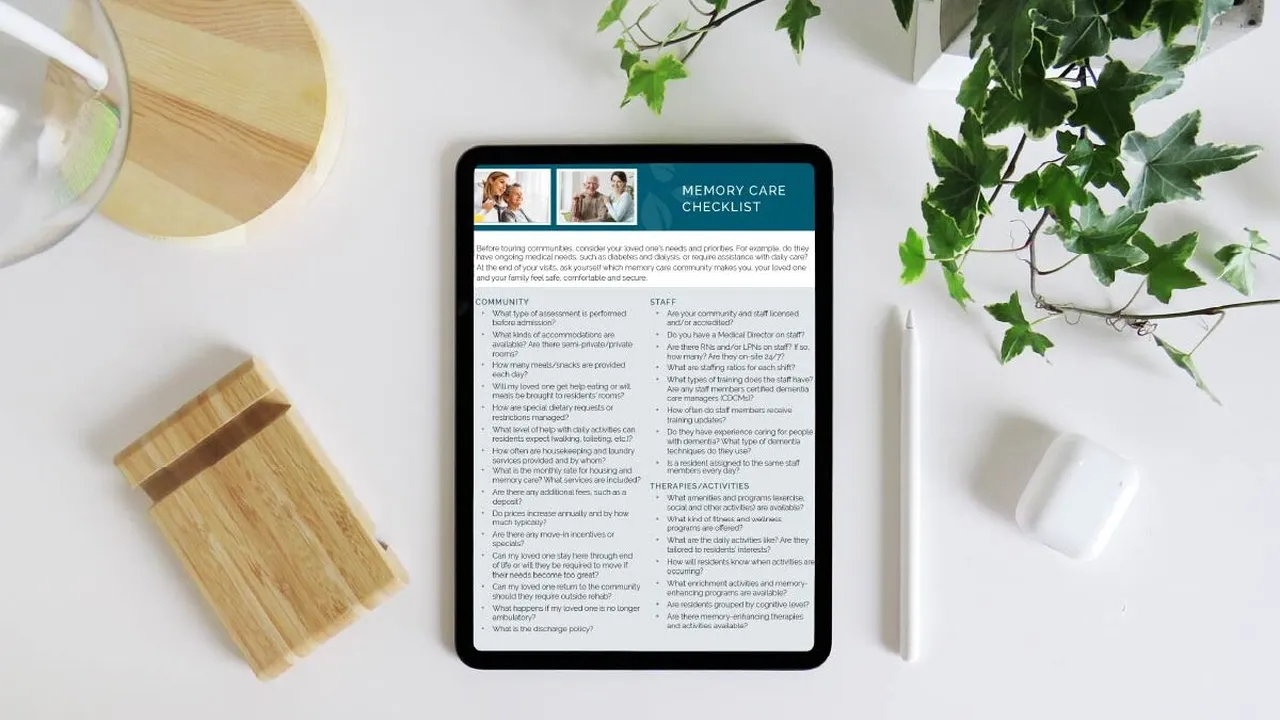
Inquire about staff-to-resident ratios, the qualifications and training of caregivers and nurses, and whether there's 24/7 medical supervision. Are staff trained in dementia care if that's a concern? Do they speak your loved one's language?
Cultural Sensitivity and Language Support in Assisted Living
Does the facility genuinely embrace local culture in its activities, food, and daily routines? Is there adequate language support for residents to communicate comfortably?
Location and Accessibility for Family Visits
Consider the proximity to family members, hospitals, and amenities. Is it easy for family to visit regularly? Is the location safe and accessible?
Amenities and Activities for Senior Engagement
Beyond basic care, what amenities are offered? Are there engaging activities that align with your loved one's interests? Are there outdoor spaces, common areas, and opportunities for social interaction?
Transparency in Pricing and Contracts for Senior Care
Get a clear, itemized breakdown of all costs. Understand what's included and what's extra. Read contracts carefully, paying attention to cancellation policies, fee increases, and care level adjustments.
Reputation and Reviews of Assisted Living Facilities
Look for online reviews, testimonials, and if possible, speak to current residents or their families. A facility's reputation can tell you a lot about its quality of care and resident satisfaction.
The Future of Assisted Living in Southeast Asia Evolving Trends
The assisted living landscape in Southeast Asia is rapidly evolving. As populations age and traditional family structures shift, the demand for professional senior care is growing. We're seeing several trends emerge:
- Increased Professionalization: More facilities are adopting international best practices and seeking accreditation to ensure high standards of care.
- Technology Integration: Smart home technologies, remote monitoring, and telehealth services are becoming more common, enhancing safety and connectivity.
- Holistic Wellness Focus: Beyond medical care, there's a growing emphasis on mental, emotional, and spiritual well-being, with programs designed to promote active and fulfilling lives.
- Intergenerational Communities: Some new developments are integrating senior living with family housing, fostering intergenerational interaction and community bonds.
- Specialized Care: A greater focus on specialized care for conditions like dementia, Parkinson's, and post-stroke rehabilitation is emerging.
Choosing assisted living in Southeast Asia offers a unique blend of cultural richness, potentially lower costs, and evolving care standards. By carefully considering cultural nuances, researching facilities thoroughly, and understanding the financial implications, you can find a supportive and enriching environment for your loved one.
It's a journey that requires careful thought and due diligence, but the rewards of finding a place where seniors can live with dignity, comfort, and cultural connection are immense. Remember to visit facilities, ask lots of questions, and trust your instincts. The right assisted living option will feel like a true home, where care is delivered with respect and understanding of the unique cultural tapestry of Southeast Asia.
:max_bytes(150000):strip_icc()/277019-baked-pork-chops-with-cream-of-mushroom-soup-DDMFS-beauty-4x3-BG-7505-5762b731cf30447d9cbbbbbf387beafa.jpg)