Assisted Living for Veterans Benefits and Resources
Explore specific benefits and resources available to veterans seeking assisted living care and financial assistance.
Explore specific benefits and resources available to veterans seeking assisted living care and financial assistance.
Assisted Living for Veterans Benefits and Resources
Navigating senior care can be a complex journey, and for our nation's veterans, there are often unique benefits and resources available to help ease the financial burden and ensure quality care. If you or a loved one served in the military and are now considering assisted living, understanding these options is crucial. This comprehensive guide will walk you through the various benefits, eligibility requirements, and how to access the support you deserve.
Understanding VA Benefits for Assisted Living Eligibility and Overview
The Department of Veterans Affairs (VA) offers a range of programs designed to support veterans and their families, including those needing assisted living care. It's important to distinguish between different types of VA benefits, as not all directly cover assisted living. Generally, the VA does not directly pay for room and board in an assisted living facility. However, certain pension programs and healthcare services can significantly offset these costs.
VA Pension Programs Aid and Attendance and Housebound Benefits
One of the most significant financial aids for veterans in assisted living is the VA's Aid and Attendance (A&A) or Housebound pension benefit. These are supplemental payments added to a veteran's basic VA pension. They are designed for veterans who require the aid of another person to perform daily activities (Aid and Attendance) or who are substantially confined to their home due to a permanent disability (Housebound).
Aid and Attendance Benefit Criteria and Application
To qualify for Aid and Attendance, a veteran must meet at least one of the following criteria:
- Require the aid of another person to perform personal functions required in everyday living, such as bathing, feeding, dressing, attending to the wants of nature, adjusting prosthetic devices, or protecting oneself from the hazards of their daily environment.
- Be bedridden, in that their disability or disabilities are so severe as to require that they remain in bed apart from any prescribed course of convalescence or treatment.
- Be a patient in a nursing home due to mental or physical incapacity.
- Have corrected visual acuity of 5/200 or less in both eyes, or concentric contraction of the visual field to 5 degrees or less.
The veteran must also meet general eligibility requirements for a VA pension, which include wartime service, honorable discharge, and income/asset limitations. Surviving spouses of eligible veterans may also qualify for A&A benefits.
Housebound Benefit Eligibility and How it Differs
The Housebound benefit is for veterans who are substantially confined to their immediate premises because of a permanent disability. While similar to A&A, Housebound benefits are for those who need less assistance than A&A recipients. A veteran cannot receive both Aid and Attendance and Housebound benefits simultaneously.
VA Healthcare Services and Assisted Living Connections
While the VA doesn't directly pay for assisted living room and board, their healthcare services can be invaluable. Veterans enrolled in VA healthcare may receive services that support their ability to live in an assisted living facility, such as:
- Home and Community Based Services (HCBS): These services, while often provided in the veteran's home, can sometimes extend to assisted living settings. They include skilled nursing, physical therapy, occupational therapy, and personal care services.
- Geriatric Extended Care (GEC): This program offers a range of services for older veterans, including adult day health care, home health care, and respite care, which can complement assisted living.
- Medications and Medical Equipment: The VA can provide prescription medications and necessary medical equipment, reducing out-of-pocket costs for residents in assisted living.
Navigating the Application Process for VA Benefits for Senior Care
Applying for VA benefits can seem daunting, but with the right information and support, it's manageable. Here's a step-by-step guide:
Gathering Essential Documents for VA Assisted Living Aid
Before applying, gather all necessary documents. This typically includes:
- Veteran's DD-214 (Certificate of Release or Discharge from Active Duty)
- Marriage certificate (if applicable, for surviving spouse benefits)
- Death certificate (if applying as a surviving spouse)
- Medical records detailing the need for assistance (doctor's statements, diagnoses, care plans)
- Financial records (income, assets, unreimbursed medical expenses)
- Social Security numbers for the veteran and spouse
Submitting Your Application for Veterans Assisted Living Support
Applications for pension benefits, including Aid and Attendance or Housebound, are typically submitted using VA Form 21-2680, 'Examination for Housebound Status or Permanent Need for Aid and Attendance.' This form requires a physician's statement detailing the veteran's health condition and need for assistance. You can submit applications online through the VA website, by mail, or with the help of an accredited representative.
Working with Accredited Representatives for VA Benefits
The VA strongly recommends working with an accredited Veterans Service Officer (VSO) or an accredited agent/attorney. These professionals offer free assistance with understanding benefits, gathering documents, and submitting applications. They can significantly streamline the process and help avoid common pitfalls. You can find accredited representatives through organizations like the American Legion, VFW, or your state's Department of Veterans Affairs.
Exploring State-Specific Programs and Resources for Veterans Assisted Living
Beyond federal VA benefits, many states offer their own programs and resources to support veterans in assisted living. These can vary widely, so it's essential to research what's available in your specific state.
State Veterans Homes and Assisted Living Facilities
Many states operate their own veterans' homes, which often include assisted living units. These facilities are typically subsidized by the state and federal government, making them more affordable than private options. Eligibility requirements usually include state residency and honorable discharge. For example, California operates several Veterans Homes of California, offering a range of care levels including assisted living. Similarly, Florida has state veterans' nursing homes that may offer assisted living-like services.
Medicaid and Veterans Benefits Coordination for Senior Care
Medicaid is a joint federal and state program that provides health coverage to low-income individuals. For veterans, Medicaid can be a crucial resource for covering assisted living costs, especially if VA pension benefits are insufficient. It's important to understand how VA benefits and Medicaid interact, as some VA income can affect Medicaid eligibility. Many states have Medicaid waiver programs that specifically cover assisted living services.
Choosing the Right Assisted Living Facility for Veterans Key Considerations
Once you understand the financial resources available, the next step is choosing an assisted living facility that meets the veteran's needs and preferences.
Veteran-Friendly Assisted Living Communities What to Look For
Some assisted living communities specifically cater to veterans, offering specialized programs, events, and staff trained in veteran-specific issues. Look for facilities that:
- Have experience assisting residents with VA benefit applications.
- Offer veteran-specific activities or support groups.
- Are located near VA medical centers or clinics.
- Have staff trained in understanding PTSD, TBI, and other common veteran health concerns.
Location and Proximity to VA Medical Centers for Veterans Care
Consider the facility's proximity to VA medical centers or clinics. Easy access to VA healthcare providers can be a significant advantage for veterans who rely on these services for their medical needs.
Specialized Care for Veterans with PTSD or TBI in Assisted Living
For veterans with Post-Traumatic Stress Disorder (PTSD) or Traumatic Brain Injury (TBI), finding a facility with staff trained in these areas is paramount. Look for communities that offer:
- Trauma-informed care approaches.
- Quiet spaces and sensory-friendly environments.
- Access to mental health professionals specializing in veteran care.
Real-World Examples and Product Recommendations for Veterans Assisted Living
While the VA doesn't endorse specific private facilities, many communities are highly regarded for their veteran support. Here are some examples of types of facilities and services that veterans often find beneficial, along with general price ranges (which can vary significantly by location and level of care):
Veterans United Senior Living Communities A Focus on Service
While not a single chain, many independent assisted living communities brand themselves as 'veteran-friendly' or 'veterans united.' These often have dedicated staff to help with VA paperwork, host veteran-specific events, and foster a sense of camaraderie among residents who served. For example, a community might offer a 'Veterans Club' or special recognition ceremonies. These facilities typically fall within the average assisted living cost range, which can be anywhere from $3,500 to $6,500 per month, with VA benefits potentially offsetting a significant portion.
Sunrise Senior Living and Brookdale Senior Living Veteran Programs
Larger national chains like Sunrise Senior Living and Brookdale Senior Living often have robust programs to assist veterans and their families. They typically have staff trained to help navigate VA benefits and may partner with local VSOs. They offer a wide range of care levels, from independent living to memory care, and their assisted living costs can range from $4,000 to $7,000+ per month depending on location and services. They are good options for veterans seeking a well-established provider with a broad network of services.
Local Non-Profit Assisted Living Facilities with Veteran Outreach
Many local non-profit organizations operate assisted living facilities that have strong ties to the veteran community. These often have a mission-driven approach and may offer more personalized support. They might also have specific grants or funding sources for veterans. For instance, a local church-affiliated senior living community might have a strong veteran outreach program. Costs here can be more variable, sometimes slightly lower than large for-profit chains, ranging from $3,000 to $5,500 per month.
Specialized Memory Care for Veterans with Dementia or Alzheimer's
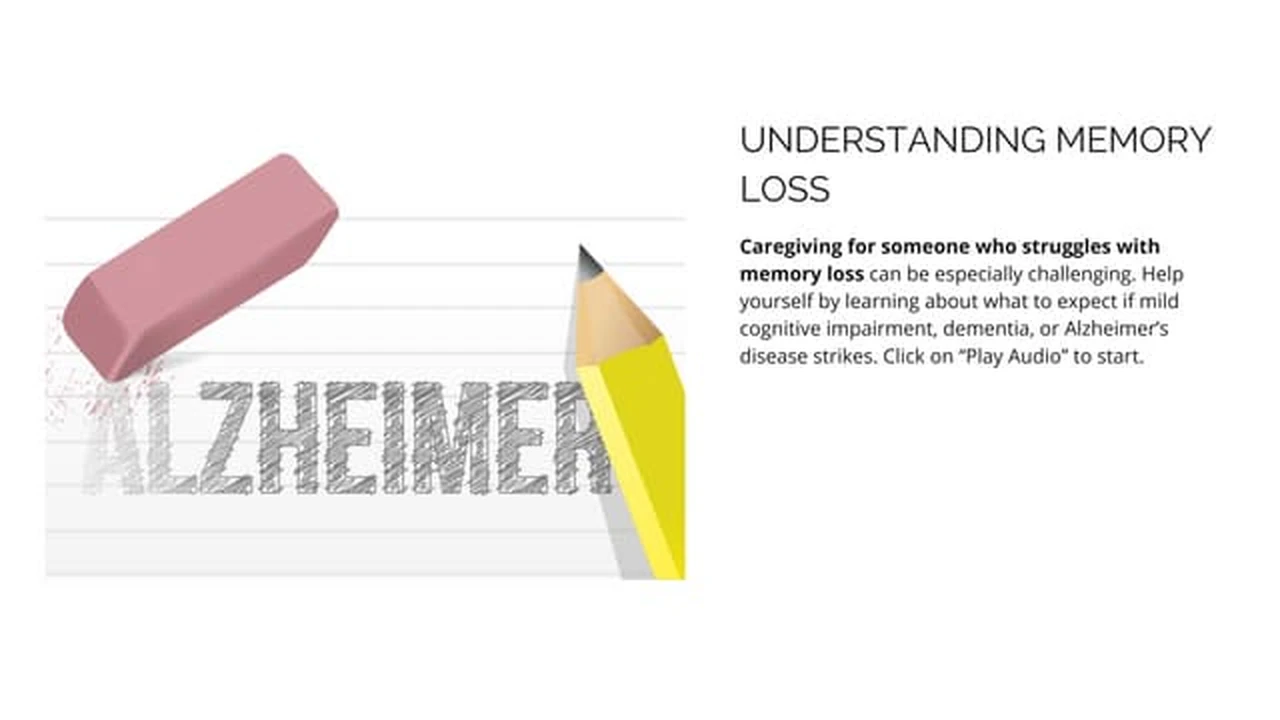
For veterans with cognitive decline, specialized memory care units are crucial. Facilities like Silverado Senior Living, while not exclusively for veterans, are known for their high-quality memory care programs. They often have staff trained in managing behaviors associated with dementia and creating therapeutic environments. Some memory care facilities may have specific programs or partnerships for veterans. Memory care is typically more expensive than standard assisted living, ranging from $5,000 to $9,000+ per month, but VA Aid and Attendance can be particularly impactful here due to the high level of care needed.
In-Home Care Agencies Supporting Veterans Aging in Place
While not strictly assisted living, many veterans prefer to age in place. In-home care agencies like Home Instead or Comfort Keepers often have caregivers trained to work with veterans and can assist with daily activities, medication management, and companionship. Some agencies even specialize in veteran care and can help coordinate VA benefits for in-home services. The cost of in-home care varies greatly depending on the number of hours and level of care, but can range from $25 to $35 per hour. For veterans who qualify for VA Home and Community Based Services, a significant portion of these costs can be covered.
Additional Resources and Support for Veterans and Their Families
Beyond direct financial aid, several organizations and online platforms provide invaluable support and information for veterans seeking assisted living.
Veterans Service Organizations VSOs and Their Role
Organizations like the American Legion, Veterans of Foreign Wars (VFW), Disabled American Veterans (DAV), and Paralyzed Veterans of America (PVA) are excellent resources. They have accredited VSOs who can provide free assistance with benefit claims, offer legal advice, and connect veterans with local resources.
Online Portals and Databases for Veterans Assisted Living Information
Websites like the official VA website (va.gov), A Place for Mom, and Caring.com often have dedicated sections for veterans' senior care. These platforms can help you search for facilities, compare options, and understand available benefits. They also frequently publish articles and guides specifically for veterans.
Support Groups and Community Programs for Veterans and Caregivers
Connecting with other veterans and caregivers can provide emotional support and practical advice. Many VA medical centers offer support groups, and local community centers or VSOs often host veteran-specific programs and events. These can be a great way to share experiences and learn from others who have navigated similar journeys.
Securing quality assisted living for a veteran is a testament to their service and sacrifice. By understanding and leveraging the available VA benefits and resources, you can ensure they receive the care and respect they deserve in their golden years.
:max_bytes(150000):strip_icc()/277019-baked-pork-chops-with-cream-of-mushroom-soup-DDMFS-beauty-4x3-BG-7505-5762b731cf30447d9cbbbbbf387beafa.jpg)