Understanding the Medical Services in Assisted Living
Learn about the types of medical support and health monitoring typically provided within assisted living environments.

Learn about the types of medical support and health monitoring typically provided within assisted living environments.
Understanding the Medical Services in Assisted Living A Comprehensive Guide
When you're looking into assisted living for yourself or a loved one, it's natural to wonder about the medical services available. It's a big decision, and understanding what kind of health support is on offer can make all the difference. Assisted living facilities are designed to bridge the gap between independent living and skilled nursing care, offering a balance of personal assistance and medical oversight. They're not hospitals, but they're definitely more than just a place to live. Let's dive into the specifics of the medical services you can typically expect in an assisted living environment, focusing on what's common in the US and Southeast Asia, and even touch on some specific products and scenarios.
The Core of Assisted Living Medical Support Daily Health Monitoring and Personal Care
At its heart, assisted living provides a supportive environment where residents receive help with Activities of Daily Living (ADLs). This often includes a significant component of health monitoring. Think of it as a watchful eye over general well-being. Staff are trained to observe changes in a resident's health, mood, and behavior, which can be early indicators of a medical issue. This proactive approach is a huge benefit.
Medication Management Services Ensuring Timely and Accurate Dosing
One of the most crucial medical services in assisted living is medication management. This isn't just about reminding someone to take their pills; it's a comprehensive system designed to ensure residents receive the right medication, at the right dose, at the right time. Many seniors manage multiple prescriptions, and errors can have serious consequences. Assisted living facilities typically have licensed nurses or trained medication aides who oversee this process. They can:
- Store medications securely.
- Dispense medications according to physician orders.
- Monitor for side effects or adverse reactions.
- Communicate with pharmacies and physicians for refills and adjustments.
In some facilities, especially those with higher levels of care or in regions like Singapore with advanced healthcare integration, you might even see automated medication dispensing systems. For example, a PillPack by Amazon Pharmacy service (though primarily US-based) offers pre-sorted medications by dose and time, which some facilities might integrate or recommend for residents managing their own meds with supervision. Another example is the MedMinder Smart Pill Dispenser, which uses visual and audio alerts and can even send alerts to caregivers if doses are missed. These types of products, while not always directly provided by the facility, can be part of a resident's personal care plan, especially for those with a degree of independence.
Coordination of Care Navigating the Healthcare System
Assisted living facilities often act as a central hub for coordinating a resident's healthcare needs. This means they work closely with external healthcare providers, including primary care physicians, specialists, and hospitals. This coordination can involve:
- Scheduling appointments and arranging transportation.
- Communicating changes in a resident's condition to their doctors.
- Facilitating transitions of care, such as returning from a hospital stay.
- Maintaining comprehensive health records.
This is particularly valuable in complex healthcare systems like those in the US, where navigating multiple providers can be overwhelming. In Southeast Asian countries like Thailand or Malaysia, where medical tourism is prevalent, facilities catering to expatriates might have dedicated staff to help coordinate international medical appointments and follow-ups.
On-Site and Visiting Medical Professionals Access to Specialized Care
While assisted living facilities don't offer the intensive medical care of a hospital, many provide access to a range of medical professionals, either on-site or through regular visiting services.
Registered Nurses and Licensed Practical Nurses Direct Medical Oversight
Most assisted living facilities employ Registered Nurses (RNs) or Licensed Practical Nurses (LPNs) who are available during certain hours, or even 24/7 in some higher-level facilities. Their roles include:
- Performing health assessments and monitoring vital signs.
- Administering injections or other skilled nursing tasks.
- Managing wound care.
- Educating residents and families on health conditions.
- Overseeing medication management programs.
The presence of nursing staff provides a crucial layer of medical expertise and allows for quicker responses to health concerns.
Visiting Physicians and Specialists Convenient Medical Consultations
It's increasingly common for assisted living communities to have visiting physicians, nurse practitioners, or physician assistants who hold regular office hours on-site. This convenience means residents don't always have to leave the facility for routine check-ups or minor health issues. Additionally, some facilities arrange for visiting specialists, such as:
- Podiatrists for foot care.
- Dentists or dental hygienists for oral health.
- Optometrists for eye exams.
- Audiologists for hearing assessments.
This reduces the logistical challenges of getting seniors to external appointments, which can be a significant burden for families. In urban centers in both the US and Southeast Asia, this trend is growing, with facilities partnering with local clinics to offer these services.
Physical Occupational and Speech Therapy Rehabilitation Services
For residents recovering from an injury, surgery, or managing a chronic condition, access to rehabilitation therapies is vital. Many assisted living facilities either have therapists on staff or contract with external therapy providers to offer:
- Physical Therapy (PT): To improve strength, balance, mobility, and reduce pain.
- Occupational Therapy (OT): To help residents regain independence in daily tasks like dressing, bathing, and eating.
- Speech Therapy (ST): To address communication difficulties, swallowing disorders, and cognitive-linguistic issues.
These therapies can be crucial for maintaining or improving a resident's quality of life and preventing further decline. For example, a resident recovering from a hip fracture might receive daily PT sessions right within the facility's gym or common areas, using equipment like resistance bands, light weights, or even specialized balance training tools. Some facilities might even have partnerships with companies like TherapyNotes (a practice management software) to streamline scheduling and documentation for visiting therapists.
Emergency Response and Safety Protocols Ensuring Resident Well-being
While assisted living focuses on daily support, robust emergency response systems are a non-negotiable medical service. Residents and their families need peace of mind knowing that help is always available.
24/7 Staffing and Emergency Call Systems Immediate Assistance
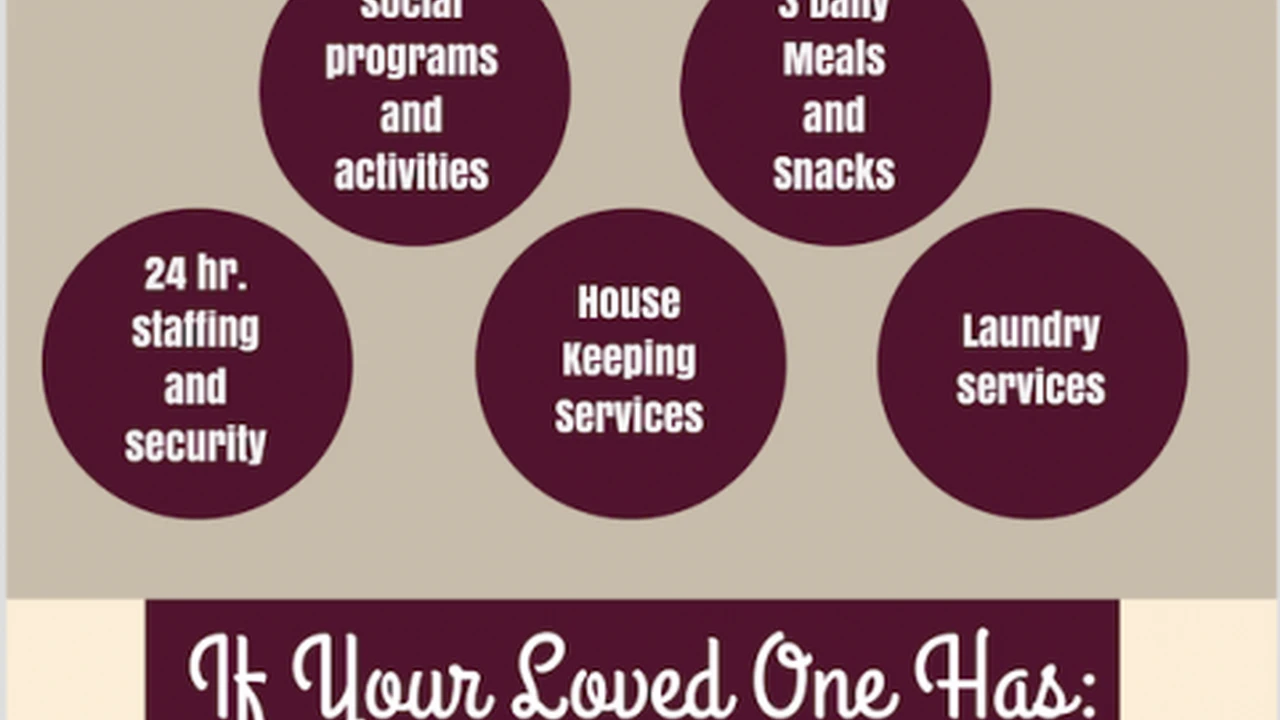
Assisted living facilities are staffed 24 hours a day, 7 days a week. This means there's always someone available to respond to a resident's needs, day or night. Most facilities equip residents with personal emergency call systems, often worn as a pendant or wristband. In the event of a fall, sudden illness, or other emergency, pressing a button immediately alerts staff, who can then assess the situation and call for external medical help if necessary. Some advanced systems, like the Philips Lifeline or Medical Guardian, offer fall detection features that automatically alert staff or emergency services even if the resident can't press the button. These are often personal subscriptions but can be integrated into a facility's emergency response plan.
First Aid and CPR Certified Staff Prepared for Critical Situations
All staff members in assisted living facilities, from caregivers to administrative personnel, are typically trained in first aid and CPR. This ensures that immediate life-saving measures can be taken while waiting for paramedics to arrive. Regular training and drills are common to keep these skills sharp.
Protocols for Medical Emergencies Swift and Coordinated Action
Facilities have clear protocols for handling various medical emergencies, including heart attacks, strokes, falls, and choking incidents. These protocols outline who to contact (e.g., family, physician, emergency services), what information to provide, and what steps to take to stabilize the resident until professional medical help arrives. This structured approach ensures a swift and coordinated response, which can be critical in time-sensitive situations.
Specialized Health Monitoring and Wellness Programs Proactive Health Management
Beyond immediate medical needs, many assisted living communities offer programs focused on proactive health management and overall wellness.
Blood Pressure and Glucose Monitoring Regular Health Checks
For residents with chronic conditions like hypertension or diabetes, regular monitoring of blood pressure and blood glucose levels is essential. Assisted living staff can assist with or perform these checks, reporting results to the resident's physician. This helps in managing these conditions effectively and preventing complications. Devices like the Omron Platinum Blood Pressure Monitor or the Contour Next EZ Blood Glucose Meter are commonly used, either by residents themselves with supervision or by staff.
Weight Management and Nutritional Guidance Healthy Eating Habits
Nutrition plays a huge role in senior health. Assisted living facilities typically provide balanced meals and can often accommodate special dietary needs, such as low-sodium, diabetic-friendly, or pureed diets. Some facilities also offer nutritional counseling or weight management programs, helping residents maintain a healthy weight and prevent diet-related health issues. A registered dietitian might visit periodically to consult with residents and review menus.
Wellness Programs and Health Education Promoting Active Lifestyles
Many communities offer a variety of wellness programs designed to keep residents physically and mentally active. These can include:
- Exercise classes (e.g., chair yoga, tai chi, walking groups).
- Health education seminars on topics like fall prevention, medication safety, or managing chronic diseases.
- Cognitive stimulation activities to maintain mental sharpness.
These programs are not just about physical health; they also contribute significantly to mental and emotional well-being, reducing the risk of depression and social isolation.
Technology in Assisted Living Enhancing Medical Care and Monitoring
Technology is playing an increasingly important role in enhancing medical services within assisted living, offering new ways to monitor health, improve safety, and connect residents with care.
Remote Patient Monitoring Wearable Devices and Smart Sensors
Some advanced assisted living facilities are integrating remote patient monitoring (RPM) technologies. These can include wearable devices that track vital signs, activity levels, and sleep patterns, or smart sensors placed in a resident's apartment that can detect falls or unusual activity. Data collected from these devices can be reviewed by nursing staff or shared with physicians, allowing for early intervention if health trends change. For example, a resident might wear a Fitbit Sense or an Apple Watch with health monitoring features, and the data could be integrated into their care plan. More specialized devices like the BioIntelliSense BioButton offer continuous vital sign monitoring for clinical use.
Telehealth Services Virtual Doctor Visits
Telehealth has become a game-changer, especially since the pandemic. Many assisted living communities now facilitate telehealth appointments, allowing residents to consult with their doctors or specialists virtually from the comfort of the facility. This is particularly beneficial for residents with mobility issues or those living in more remote areas. A facility might have a dedicated room with a tablet or computer set up for these virtual visits, ensuring privacy and a good connection. Platforms like Teladoc or Amwell are popular choices for telehealth services in the US, while similar local platforms are emerging rapidly in Southeast Asia.
Electronic Health Records Streamlined Information Management
Modern assisted living facilities often utilize Electronic Health Records (EHR) systems to manage resident medical information. This allows for quick access to health history, medication lists, physician orders, and care plans. EHRs improve communication among staff and with external healthcare providers, reducing errors and ensuring continuity of care. Software like PointClickCare or MatrixCare are widely used in the senior living industry for this purpose.
Comparing Medical Services US vs Southeast Asia Regional Variations
While the core principles of assisted living medical services are similar globally, there are some regional nuances worth noting.
United States Focus on Regulation and Specialized Care
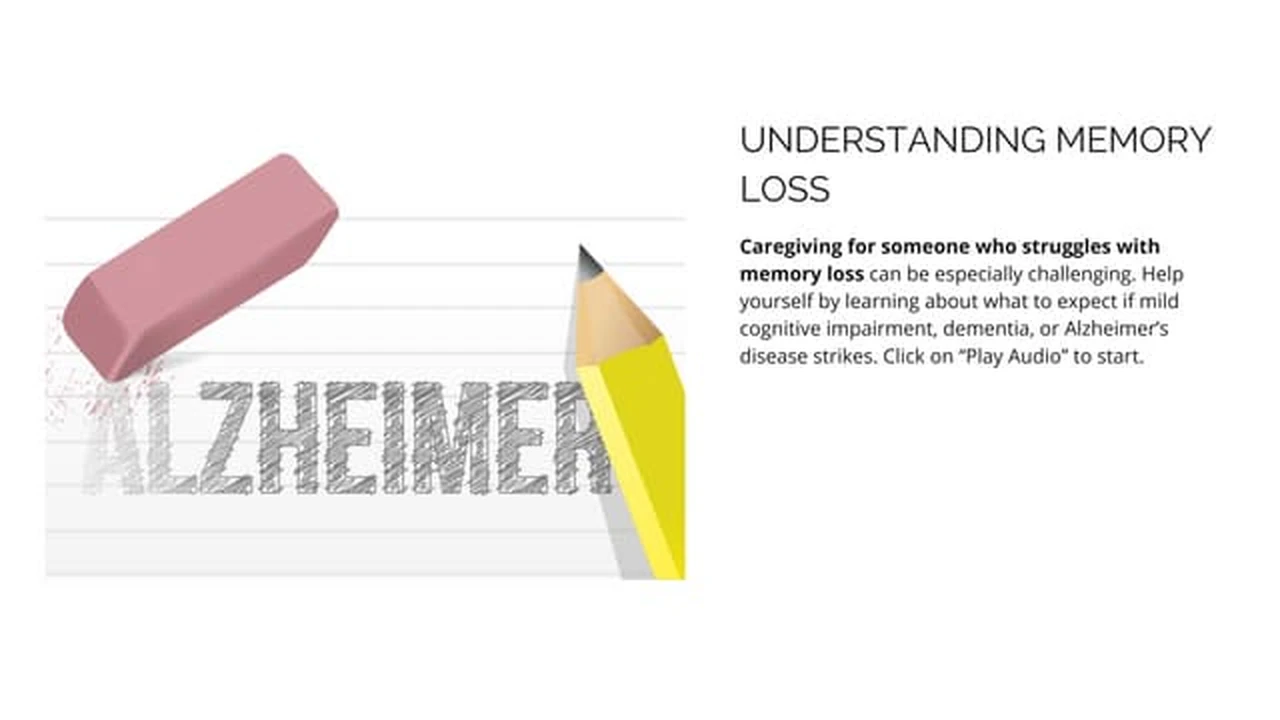
In the US, assisted living is heavily regulated at the state level, meaning the exact scope of medical services can vary by state. However, there's a strong emphasis on medication management, care coordination, and access to a range of therapies. The trend is towards more personalized care plans and integrating technology. The availability of specialized memory care units within assisted living facilities, offering enhanced medical oversight for cognitive decline, is also very common.
Southeast Asia Emerging Markets and Cultural Considerations
In Southeast Asian countries like Thailand, Malaysia, and Singapore, the assisted living sector is growing rapidly. While some facilities, especially those catering to expatriates, offer services comparable to Western standards, others might have a stronger emphasis on traditional family care models. Medical services are often integrated with local healthcare systems, which can be excellent, particularly in countries known for medical tourism. There's a growing focus on wellness and holistic care, often incorporating traditional practices alongside modern medicine. For example, some facilities might offer traditional massage or herbal remedies alongside conventional medical support, reflecting local cultural preferences. The cost structure can also be significantly different, often more affordable than in the US, making it an attractive option for some.
Choosing the Right Facility What to Ask About Medical Services
When you're touring assisted living facilities, don't hesitate to ask detailed questions about their medical services. Here are some key areas to cover:
- What are the qualifications and staffing ratios of your nursing and care staff?
- How is medication managed and administered?
- What is your protocol for medical emergencies?
- Do you have a physician or nurse practitioner who visits the facility regularly?
- What rehabilitation therapies are available on-site or through partnerships?
- How do you coordinate care with external doctors and hospitals?
- What kind of health monitoring and wellness programs do you offer?
- Do you use any technology for health monitoring or telehealth?
- Can you accommodate specific medical conditions or dietary needs?
Understanding these aspects will help you make an informed decision and ensure that the chosen assisted living environment provides the appropriate level of medical support for your needs or those of your loved one. It's about finding a place where health is prioritized, and care is both compassionate and competent.
:max_bytes(150000):strip_icc()/277019-baked-pork-chops-with-cream-of-mushroom-soup-DDMFS-beauty-4x3-BG-7505-5762b731cf30447d9cbbbbbf387beafa.jpg)