Memory Care vs Home Care When to Make the Move
Compare the benefits of specialized memory care facilities with in-home care for individuals with progressive cognitive decline.
Compare the benefits of specialized memory care facilities with in-home care for individuals with progressive cognitive decline.
Memory Care vs Home Care When to Make the Move
Deciding on the best care for a loved one experiencing progressive cognitive decline, such as Alzheimer's disease or other forms of dementia, is one of the most challenging decisions families face. You're likely weighing two primary options: keeping them at home with professional caregivers (home care) or transitioning them to a specialized memory care facility. Both have their merits and drawbacks, and the 'right' choice often depends on a multitude of factors, including the stage of dementia, safety concerns, financial resources, and the family's capacity for support. Let's dive deep into this comparison, exploring the nuances of each option to help you make an informed decision.
Understanding Progressive Cognitive Decline and Dementia Stages
Before we compare care options, it's crucial to understand that dementia is a progressive condition. What works in the early stages might not be sustainable in the later stages. Dementia is typically categorized into three broad stages:
Early Stage Dementia Recognizing the Signs
In the early stage, individuals might experience mild cognitive impairment. They may forget familiar words, misplace objects, or have difficulty planning. They can often still live independently with minimal assistance, perhaps needing reminders for appointments or help with complex tasks like managing finances. Safety is generally not a major concern, and they can still engage in social activities.
Middle Stage Dementia Increasing Care Needs
This is often the longest stage, where cognitive impairments become more pronounced. Individuals may struggle with daily tasks like dressing, bathing, and eating. They might experience personality changes, wandering, increased confusion, and difficulty recognizing loved ones. Behavioral challenges, such as agitation or aggression, can also emerge. Safety becomes a significant concern, especially regarding wandering or forgetting to turn off appliances.
Late Stage Dementia Comprehensive Support Required
In the late stage, individuals lose the ability to communicate verbally and often require full-time assistance with all activities of daily living (ADLs). They may become bedridden, lose control of bladder and bowel functions, and have difficulty swallowing. Their immune system weakens, making them susceptible to infections. At this point, 24/7 supervision and skilled nursing care are typically necessary.
Home Care for Dementia Patients Maintaining Familiarity
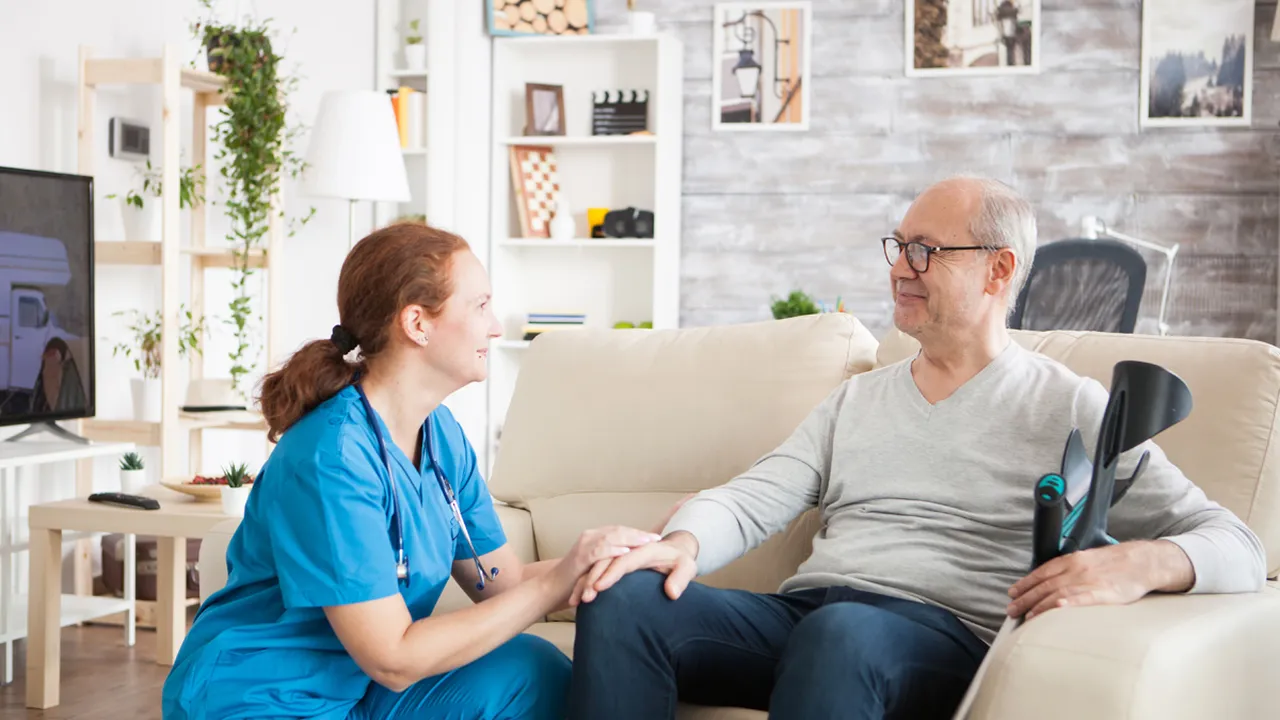
Home care involves bringing professional caregivers into your loved one's home to provide assistance. This option allows individuals to remain in a familiar environment, which can be incredibly beneficial for those with dementia, as familiarity can reduce confusion and anxiety.
Benefits of Home Care for Dementia
- Familiar Environment: Staying in their own home can provide comfort and reduce disorientation, which are common challenges for individuals with dementia.
- Personalized One-on-One Attention: Caregivers can focus solely on your loved one's needs, adapting routines and activities to their preferences and cognitive abilities.
- Flexibility and Customization: Care plans can be highly customized, from a few hours a week to 24/7 live-in care, adjusting as needs evolve.
- Family Involvement: Families can remain more directly involved in daily care decisions and routines.
- Cost-Effective in Early Stages: For individuals in early to middle stages requiring part-time assistance, home care can sometimes be more affordable than full-time residential care.
Challenges and Considerations for Home Care
- Safety Concerns: As dementia progresses, the home environment might become unsafe. Risks include wandering, falls, forgetting to turn off stoves, or medication mismanagement. Extensive home modifications might be necessary.
- Caregiver Burnout: Even with professional help, family caregivers often bear a significant burden, especially if care needs escalate rapidly or if 24/7 supervision is required.
- Social Isolation: Unless proactive efforts are made, individuals receiving home care might experience social isolation, lacking opportunities for structured social engagement.
- Escalating Costs: For advanced dementia requiring round-the-clock care, home care can become extremely expensive, often surpassing the cost of memory care facilities.
- Lack of Specialized Environment: A typical home isn't designed with the specific needs of dementia patients in mind, lacking secure wandering paths, sensory stimulation rooms, or specialized safety features.
Types of Home Care Services for Dementia
- Companion Care: Focuses on social interaction, light housekeeping, meal preparation, and errands. Ideal for early-stage dementia.
- Personal Care: Assists with Activities of Daily Living (ADLs) such as bathing, dressing, grooming, and toileting.
- Skilled Nursing Care: Provided by licensed nurses for medical tasks like medication management, wound care, and injections.
- Respite Care: Temporary care to give family caregivers a break.
- Live-in Care: A caregiver lives in the home, providing continuous support and supervision.
Memory Care Facilities Specialized Environments for Dementia
Memory care facilities are specialized residential communities designed specifically for individuals with Alzheimer's disease and other forms of dementia. They offer a secure, structured, and supportive environment with staff trained in dementia care.
Benefits of Memory Care Facilities
- Specialized Environment: Facilities are designed with safety in mind, featuring secure perimeters to prevent wandering, easy-to-navigate layouts, and often calming sensory environments.
- Trained Staff: Caregivers and staff receive specialized training in dementia care, understanding behavioral challenges, communication techniques, and therapeutic approaches.
- Structured Activities: Memory care communities offer a robust calendar of activities tailored to cognitive abilities, promoting engagement, social interaction, and cognitive stimulation.
- 24/7 Supervision and Medical Support: Residents receive continuous supervision and access to medical professionals, ensuring immediate response to emergencies and consistent health monitoring.
- Social Engagement: Opportunities for social interaction with peers and staff are built into the daily routine, combating loneliness and isolation.
- Relief for Family Caregivers: Families can rest assured their loved one is in a safe, supportive environment, reducing the immense burden of full-time caregiving.
Challenges and Considerations for Memory Care
- Transition Difficulty: Moving to a new environment can be disorienting and stressful for individuals with dementia, potentially leading to increased confusion or agitation initially.
- Loss of Familiarity: Leaving their home can be emotionally difficult, and adapting to new routines and surroundings takes time.
- Cost: Memory care is often more expensive than assisted living due to the specialized care and higher staff-to-resident ratios.
- Less One-on-One Attention: While staff are highly trained, the care is provided in a group setting, meaning less individualized attention than a dedicated home caregiver.
- Limited Personalization: While activities are tailored, the overall routine and environment are standardized across the community.
When to Make the Move Key Indicators and Decision Points
The decision to transition from home care to memory care is rarely easy and often comes after careful consideration of several factors. Here are some key indicators that it might be time to consider a specialized memory care facility:
Safety Concerns Escalating Risks
If your loved one is frequently wandering, getting lost, leaving the stove on, or engaging in other behaviors that put them or others at risk, a secure memory care environment becomes paramount. Home modifications can only go so far.
Aggressive or Challenging Behaviors Managing Difficult Situations
As dementia progresses, individuals may exhibit increased agitation, aggression, hallucinations, or sundowning (increased confusion and agitation in the late afternoon/evening). If these behaviors become unmanageable for home caregivers or family, specialized staff in memory care are better equipped to handle them safely and therapeutically.
Caregiver Burnout The Unseen Toll
Family caregivers often reach a breaking point. If you or your hired home caregivers are experiencing severe stress, exhaustion, depression, or neglecting your own health due to the demands of caregiving, it's a clear sign that more comprehensive support is needed.
Increased Medical Needs and ADL Dependence
When your loved one requires extensive assistance with most Activities of Daily Living (ADLs) – bathing, dressing, eating, toileting – and has complex medical needs that require frequent monitoring or skilled nursing, a memory care facility with 24/7 medical oversight might be more appropriate.
Social Isolation and Lack of Engagement
If your loved one is spending most of their time alone at home, even with a caregiver, and lacks opportunities for meaningful social interaction and cognitive stimulation, their quality of life may suffer. Memory care provides built-in social programs.
Financial Sustainability Evaluating Long-Term Costs
While home care might seem cheaper initially, 24/7 home care can quickly become more expensive than memory care. If the cost of continuous home care is unsustainable in the long run, memory care might offer a more financially viable solution.
Recommended Products and Technologies for Dementia Care
Whether you choose home care or memory care, certain products and technologies can significantly enhance safety, comfort, and engagement for individuals with dementia. Here are some recommendations, along with their typical use cases, comparisons, and approximate pricing.
GPS Trackers for Wandering Prevention Enhancing Safety
Wandering is a significant concern for dementia patients. GPS trackers can provide peace of mind by allowing caregivers to locate their loved one if they leave a designated safe area.
- Product 1: AngelSense GPS Tracker for Dementia
- Use Case: Designed specifically for individuals with special needs, including dementia. Offers real-time tracking, geofencing (alerts when leaving a safe zone), and a listen-in feature. Can be worn as a watch, belt clip, or attached to clothing.
- Comparison: More robust and feature-rich than standard consumer GPS trackers, with a focus on safety and ease of use for caregivers. Excellent battery life.
- Approximate Price: Device cost around $229, with a monthly service plan starting from $39.99.
- Product 2: Jiobit Smart Tag
- Use Case: A small, lightweight tracker that can be clipped onto clothing or worn as a pendant. Offers real-time location, geofencing, and a long-lasting battery. Good for less intrusive tracking.
- Comparison: More discreet than some other trackers. While not dementia-specific, its small size and reliable tracking make it a good option.
- Approximate Price: Device cost around $129.99, with monthly plans starting from $8.99.
- Product 3: Apple AirTag (with limitations)
- Use Case: While not a dedicated dementia tracker, an AirTag can be placed in a bag or pocket. It uses Apple's Find My network for location.
- Comparison: Very affordable and leverages a vast network. However, it's not real-time tracking and relies on other Apple devices being nearby. Not ideal for immediate wandering alerts or precise location in remote areas. Best for finding misplaced items rather than tracking a person.
- Approximate Price: Around $29 per AirTag. No monthly fee.
Smart Home Devices for Safety and Convenience Enhancing the Living Space
Smart home technology can create a safer and more manageable environment for individuals with dementia, whether at home or in a memory care setting.
- Product 1: Smart Door Locks (e.g., August Smart Lock Pro)
- Use Case: Allows caregivers to remotely lock/unlock doors, check door status, and grant temporary access. Can prevent wandering by automatically locking doors at certain times.
- Comparison: Offers keyless entry, auto-lock/unlock, and integration with other smart home systems. Provides an extra layer of security.
- Approximate Price: Around $150-$250.
- Product 2: Smart Plugs (e.g., TP-Link Kasa Smart Plug)
- Use Case: Can turn off appliances (like coffee makers or curling irons) remotely or on a schedule, preventing fire hazards. Can also be used to control lights.
- Comparison: Simple, affordable, and effective for managing power to specific devices.
- Approximate Price: Around $15-$30 per plug.
- Product 3: Smart Lighting (e.g., Philips Hue)
- Use Case: Can be programmed to adjust lighting throughout the day, mimicking natural light cycles to help regulate sleep patterns and reduce sundowning. Can also be voice-controlled.
- Comparison: Offers a wide range of colors and brightness, creating a calming or stimulating environment as needed.
- Approximate Price: Starter kits around $70-$150.
Medication Dispensers Ensuring Adherence
Medication management can be complex for dementia patients. Automated dispensers ensure the right medication is taken at the right time.
- Product 1: MedMinder Automated Pill Dispenser
- Use Case: Dispenses medication at pre-programmed times with visual and auditory alerts. If a dose is missed, it can alert caregivers via phone or email. Locked compartments prevent over-dosing.
- Comparison: Highly secure and offers remote monitoring capabilities. Ideal for complex medication schedules.
- Approximate Price: Device often provided with a monthly service fee, starting around $50-$70 per month.
- Product 2: PillDrill Smart Pill Box
- Use Case: A simpler smart pill box that tracks medication adherence and sends reminders. Less complex than MedMinder but effective for simpler schedules.
- Comparison: More affordable and user-friendly for those who don't need the full security features of MedMinder.
- Approximate Price: Around $99 for the device, no monthly fee.
Therapeutic Aids and Engagement Tools Promoting Cognitive Health
These products help stimulate cognitive function and provide meaningful engagement.
- Product 1: Relish Dementia Jigsaw Puzzles
- Use Case: Puzzles designed specifically for different stages of dementia, with larger pieces, clear images, and themes that evoke positive memories.
- Comparison: Unlike regular puzzles, these are tailored to reduce frustration and promote success, boosting confidence.
- Approximate Price: Around $20-$40 per puzzle.
- Product 2: GrandPad Senior Tablet
- Use Case: A simplified tablet designed for seniors, offering easy access to video calls, photos, games, and music. Can help maintain connections and provide entertainment.
- Comparison: Much simpler interface than standard tablets, reducing confusion. Curated content and remote management by family.
- Approximate Price: Device cost around $200-$300, with a monthly service plan around $40-$60.
- Product 3: Robotic Pets (e.g., Joy for All Companion Pets)
- Use Case: Lifelike robotic cats and dogs that respond to touch and voice, providing comfort, companionship, and reducing agitation.
- Comparison: Offers the benefits of pet therapy without the responsibilities of a live animal. Proven to reduce loneliness and improve mood.
- Approximate Price: Around $120-$150.
Making the Decision A Holistic Approach
Ultimately, the decision between memory care and home care is deeply personal and multifaceted. It's not a one-time choice but an ongoing evaluation as your loved one's condition progresses. Here's a holistic approach to guide your decision-making process:
Assess Your Loved One's Current Needs and Future Progression
Be realistic about the current stage of dementia and anticipate future needs. What level of assistance do they require now? What will they likely need in 6 months or a year? Consider their physical health, cognitive abilities, and behavioral patterns.
Evaluate the Home Environment for Safety and Suitability
Is the home safe? Can it be made safe with modifications? Is it conducive to their well-being, or does it contribute to confusion or isolation? Consider stairs, potential wandering exits, and accessibility.
Consider the Impact on Family Caregivers
Be honest about the physical, emotional, and financial toll of caregiving. Caregiver burnout is real and can negatively impact both the caregiver and the care recipient. If family caregivers are exhausted, stressed, or resentful, it's time to explore other options.
Financial Planning and Long-Term Costs
Obtain detailed cost estimates for both home care (including potential 24/7 care) and memory care facilities. Factor in potential government benefits (like Medicaid or VA benefits), long-term care insurance, and personal savings. Create a long-term financial plan.
Seek Professional Guidance
Consult with healthcare professionals, including your loved one's doctor, geriatricians, social workers, and elder care attorneys. They can provide objective assessments, recommend resources, and help navigate the complex legal and financial aspects.
Visit Memory Care Facilities
If you're considering memory care, visit several facilities. Pay attention to the staff-to-resident ratio, staff training, cleanliness, activity programs, security measures, and the overall atmosphere. Talk to residents and their families if possible.
Involve Your Loved One (If Possible)
In the early stages of dementia, involve your loved one in the decision-making process as much as possible. Their preferences and feelings matter. Even in later stages, try to explain changes in a calm and reassuring manner.
The journey of caring for someone with dementia is challenging, but you don't have to navigate it alone. By carefully weighing the pros and cons of home care versus memory care, utilizing available technologies, and seeking professional support, you can make the best possible decision for your loved one's well-being and your family's peace of mind.
:max_bytes(150000):strip_icc()/277019-baked-pork-chops-with-cream-of-mushroom-soup-DDMFS-beauty-4x3-BG-7505-5762b731cf30447d9cbbbbbf387beafa.jpg)