Home Care in Southeast Asia Cultural Nuances
Explore the growing trend of home care services in Southeast Asia, considering local customs and family involvement.
Home Care in Southeast Asia Cultural Nuances
Explore the growing trend of home care services in Southeast Asia, considering local customs and family involvement. As populations age across countries like Singapore, Malaysia, Thailand, and the Philippines, the demand for quality senior care is skyrocketing. While Western models of assisted living and nursing homes are gaining traction, home care remains deeply rooted in the cultural fabric of Southeast Asia. This article dives into the unique aspects of home care in this vibrant region, highlighting how traditional values intersect with modern care practices, and recommending specific products and services that cater to these nuances.
Understanding the Cultural Landscape of Senior Care in Southeast Asia
In many Southeast Asian cultures, filial piety is a cornerstone value. This means there's a strong emphasis on children caring for their elderly parents and grandparents. The idea of sending an elder to a 'home' can sometimes carry a stigma, as it might be perceived as neglecting one's familial duties. This cultural expectation significantly shapes the preference for home care over institutionalized settings. Families often strive to keep their elders at home, surrounded by familiar faces and environments, even when their care needs become substantial.
The Role of Family in Southeast Asian Home Care
Unlike in some Western countries where professional caregivers might take on the primary role, in Southeast Asia, family members often remain central to the caregiving process. Professional home care services are frequently seen as supplementary, providing support to family caregivers rather than replacing them entirely. This could involve assistance with medical tasks, personal care, or simply offering respite to family members who are juggling work and caregiving responsibilities. The decision-making process for senior care is also typically a collective family effort, involving multiple generations.
Traditional Beliefs and Modern Home Care Practices
Traditional beliefs about health and wellness also play a significant role. Many elders in Southeast Asia may prefer traditional healing methods, herbal remedies, or specific dietary practices that are deeply ingrained in their culture. Effective home care providers in this region must be sensitive to these preferences and be able to integrate them respectfully into the care plan. This might mean working alongside traditional healers or ensuring that dietary restrictions based on cultural or religious beliefs are strictly adhered to.
Types of Home Care Services Tailored for Southeast Asia
The range of home care services available in Southeast Asia is expanding rapidly, adapting to both Western standards of care and local cultural expectations. Here are some key types:
Personal Care Assistance for Seniors at Home
This includes help with daily activities such as bathing, dressing, grooming, and toileting. Given the emphasis on modesty and personal dignity in many Asian cultures, caregivers must be particularly sensitive and respectful. For example, female elders might prefer female caregivers for personal care tasks. Providers like Homage (available in Singapore, Malaysia, and Thailand) offer highly personalized personal care, allowing families to specify caregiver preferences. Their services typically range from SGD 20-30/hour in Singapore, MYR 30-50/hour in Malaysia, and THB 300-500/hour in Thailand, depending on the level of care and duration.
Skilled Nursing Care at Home for Medical Needs
For elders with more complex medical needs, skilled nursing care at home is crucial. This can include wound care, medication management, injections, and monitoring vital signs. This service allows elders to receive hospital-level care in the comfort of their own homes, which is often preferred. Jaga-Me in Singapore and Care Concierge in Malaysia are excellent examples, providing registered nurses for home visits. Jaga-Me's nursing services can start from SGD 80-150 per visit, while Care Concierge offers similar services from MYR 100-200 per visit.
Companion Care and Social Engagement for Elderly
Combating loneliness and providing social interaction is vital for senior well-being. Companion care involves caregivers spending time with elders, engaging in conversations, accompanying them to appointments, or participating in hobbies. This is particularly important in cultures where elders are accustomed to constant family interaction. Active Global Home Care (Singapore, Malaysia) offers companion services that often include cultural activities or traditional games. Prices are similar to personal care, typically ranging from SGD 20-30/hour and MYR 30-50/hour respectively.
Respite Care for Family Caregivers in Southeast Asia
Family caregivers often face immense pressure. Respite care provides temporary relief, allowing family members to rest, run errands, or attend to personal needs. This service is gaining recognition as families realize the importance of caregiver well-being. Many home care agencies, including Homage and Care Concierge, offer flexible respite care packages, from a few hours to overnight stays. Costs are generally calculated based on the duration and intensity of care required.
Palliative and End-of-Life Care at Home with Cultural Sensitivity
Providing comfort and support during the final stages of life, palliative care at home is increasingly sought after. In Southeast Asia, where death and dying are often deeply spiritual and family-centered events, having palliative care delivered at home allows for traditional rituals and family gatherings to take place in a familiar setting. Organizations like Dover Park Hospice in Singapore (though primarily hospice, they offer home care components) and various private nursing agencies provide culturally sensitive palliative care. Pricing for these specialized services can vary widely based on the intensity of medical and emotional support needed.
Recommended Products and Technologies for Enhanced Home Care
Beyond direct care services, several products and technologies can significantly enhance the quality and safety of home care in Southeast Asia, often integrating seamlessly with existing cultural practices.
Smart Home Monitoring Systems for Elderly Safety
These systems can provide peace of mind for families, especially when they cannot be physically present 24/7. Products like Google Nest Hub Max (approx. SGD 350 / MYR 1200) or Amazon Echo Show (approx. SGD 200 / MYR 700) can be used for video calls, medication reminders, and even basic motion detection. More specialized systems like LifeFone Medical Alert Systems (though primarily US-based, similar local services are emerging) offer fall detection and emergency response, which are invaluable. Local providers like Safe Space in Singapore are developing similar localized solutions, with monthly subscriptions typically ranging from SGD 50-100.
Medication Management Devices for Adherence
Ensuring elders take their medication correctly can be a challenge. Automated pill dispensers like the MedMinder (US-based, but similar smart pillboxes are available on e-commerce platforms like Lazada/Shopee for SGD 50-150 / MYR 150-500) can dispense pills at scheduled times and send alerts to family members if doses are missed. This respects the elder's autonomy while providing necessary oversight.
Assistive Mobility Aids for Independence
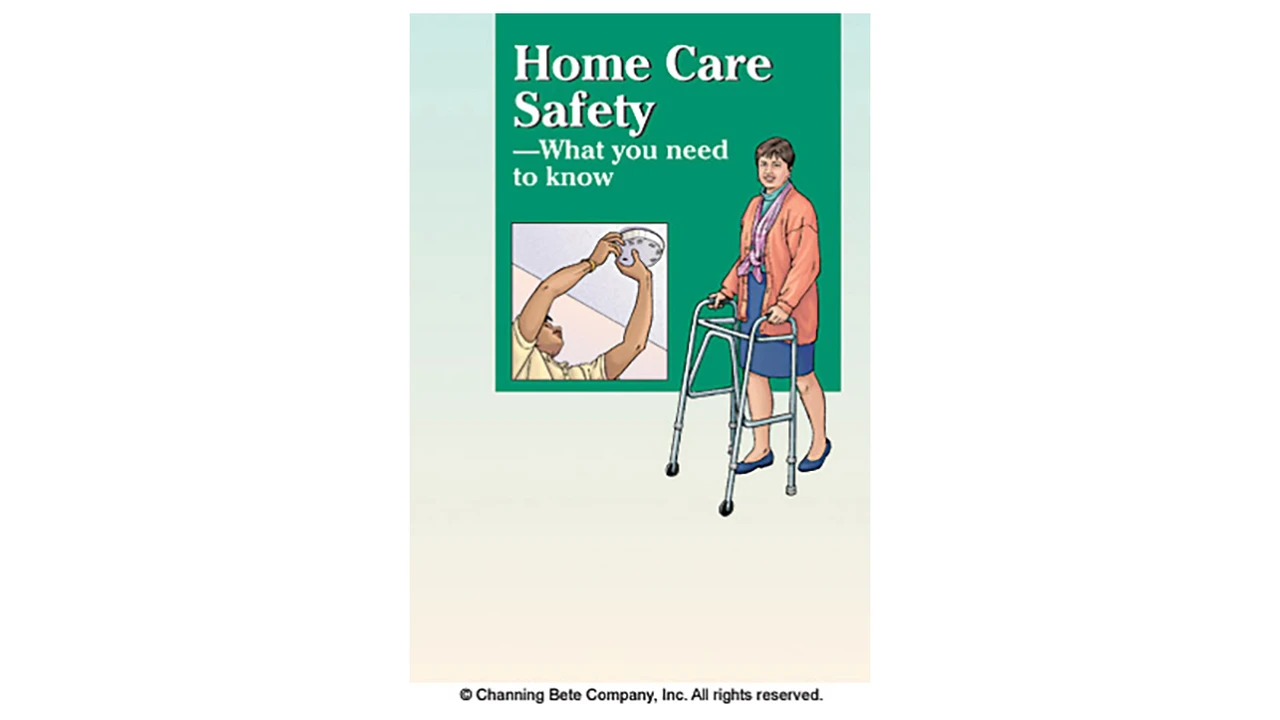
Walkers, wheelchairs, and grab bars are essential for maintaining mobility and preventing falls. Brands like Karma Medical Products (Taiwanese, widely available in Southeast Asia) offer a range of high-quality wheelchairs and mobility scooters. A basic walker might cost around SGD 80-150 / MYR 250-500, while a good quality wheelchair can range from SGD 200-800 / MYR 700-2500. Installing grab bars in bathrooms and hallways (costing SGD 50-150 / MYR 150-500 per bar, plus installation) is a simple yet effective way to enhance safety.
Telehealth and Remote Consultation Platforms
Telehealth has seen a massive surge, especially post-pandemic. Platforms like Doctor Anywhere (Singapore, Malaysia, Thailand, Philippines, Vietnam) and MyDoc (Singapore, Malaysia) allow elders to consult with doctors remotely, reducing the need for hospital visits. This is particularly beneficial for those with mobility issues or living in remote areas. A typical telehealth consultation can cost between SGD 15-30 / MYR 30-60, often covered by insurance.
Culturally Appropriate Entertainment and Engagement Tools
Tablets loaded with traditional music, movies, or games can provide entertainment and cognitive stimulation. For example, an iPad (starting from SGD 499 / MYR 1500) or an affordable Android tablet (starting from SGD 150 / MYR 500) can be pre-loaded with content in local languages. Digital photo frames that display family pictures can also be a source of comfort and connection, costing around SGD 80-200 / MYR 250-700.
Comparing Home Care Providers in Southeast Asia
When choosing a home care provider, families in Southeast Asia often consider several factors, including cultural sensitivity, language proficiency, and the ability to integrate with family caregiving. Here's a comparison of some prominent providers:
Homage A Leading Home Care Provider in the Region
Homage is a well-established platform operating in Singapore, Malaysia, and Thailand. They are known for their rigorous caregiver vetting process, personalized care plans, and technology-driven matching system. They emphasize cultural sensitivity and often have caregivers who speak local dialects. Their pricing model is transparent, typically hourly, and varies based on the type of care and caregiver experience. They excel in providing both personal care and skilled nursing. A key advantage is their flexibility and ability to scale care as needs change. However, their premium service might be slightly more expensive than smaller, independent agencies.
Care Concierge Malaysia A Comprehensive Approach
Care Concierge in Malaysia offers a wide range of services, from personal care to nursing and even physiotherapy at home. They pride themselves on their holistic approach and strong community engagement. They are particularly good at integrating with existing family structures and providing support to family caregivers. Their pricing is competitive, with packages available for different durations and care levels. They also offer a strong focus on training their caregivers in cultural nuances. One potential drawback could be their primary focus on Malaysia, limiting options for cross-border families.
Jaga-Me Singapore Technology-Driven Home Healthcare
Jaga-Me focuses heavily on technology to deliver efficient and high-quality home healthcare in Singapore. They connect patients with nurses, doctors, and therapists for home visits. Their platform allows for easy booking and management of appointments. They are particularly strong in skilled nursing and medical procedures at home. While highly efficient, some families might find their tech-centric approach less personal than traditional agencies, though they do emphasize compassionate care. Their pricing is generally per visit for medical services, which can be cost-effective for specific needs.
Active Global Home Care Singapore and Malaysia
Active Global Home Care provides a broad spectrum of services, including live-in care, which is a significant advantage for families seeking continuous support. They have a strong focus on matching caregivers with families based on language, cultural background, and specific care needs. Their live-in care options can be more cost-effective than hourly care for extensive needs, though the initial commitment is higher. They are known for their experienced foreign domestic workers who are trained as caregivers. The challenge might be the availability of specific caregiver profiles at short notice.
Navigating Costs and Funding for Home Care in Southeast Asia
Understanding the financial aspects of home care is crucial. Costs can vary significantly based on the country, type of service, duration, and caregiver qualifications.
Average Home Care Costs in Key Southeast Asian Markets
- Singapore: Hourly rates for personal care range from SGD 20-40. Live-in care can cost SGD 800-1500 per month for a foreign domestic worker, plus agency fees and levies. Skilled nursing visits are typically SGD 80-150 per visit.
- Malaysia: Hourly rates for personal care range from MYR 30-60. Live-in care can be MYR 1500-3000 per month. Skilled nursing visits are MYR 100-250 per visit.
- Thailand: Hourly rates for personal care range from THB 250-500. Live-in care can be THB 15,000-30,000 per month. Skilled nursing visits are THB 800-1500 per visit.
- Philippines: Hourly rates are generally lower, ranging from PHP 150-300. Live-in care can be PHP 8,000-15,000 per month. Skilled nursing visits are PHP 500-1000 per visit.
These are approximate figures and can vary based on location within the country (e.g., urban vs. rural) and the specific agency.
Government Subsidies and Financial Assistance for Home Care
Many Southeast Asian governments are recognizing the need to support home care. In Singapore, for example, schemes like the Home Caregiving Grant (HCG) provide cash payouts to eligible families. The Pioneer Generation Package and Merdeka Generation Package also offer subsidies for various healthcare services. In Malaysia, while direct home care subsidies are less common, some NGOs and local community centers offer subsidized services or connect families with affordable options. It's always advisable for families to check with their local social welfare departments or senior care organizations for available financial aid.
Private Insurance and Long-Term Care Policies
Private health insurance and long-term care policies are becoming more prevalent in the region. Some policies now include coverage for home care services, especially for skilled nursing or post-hospitalization care. Families should carefully review their insurance policies or consider purchasing new ones that specifically cover long-term home care needs. This can significantly alleviate the financial burden.
Challenges and Opportunities in Southeast Asian Home Care
While the home care sector in Southeast Asia is booming, it faces unique challenges and presents significant opportunities.
Addressing Caregiver Shortages and Training
A major challenge is the shortage of trained and qualified caregivers. As demand grows, ensuring a sufficient supply of skilled professionals who are also culturally competent is critical. Many agencies are investing in robust training programs that not only cover medical skills but also cultural sensitivity, language proficiency, and communication techniques. Governments are also playing a role in developing national caregiver training standards.
Ensuring Quality and Regulation in Home Care Services
The regulatory landscape for home care varies across Southeast Asian countries. Ensuring consistent quality, ethical practices, and patient safety is paramount. There's a growing push for clearer regulations, licensing requirements, and accreditation bodies to provide families with assurance when choosing a provider. Families should always look for agencies with good reputations, clear policies, and positive client testimonials.
Leveraging Technology for Scalable and Accessible Home Care
Technology offers immense opportunities to scale home care services and make them more accessible. Telehealth, remote monitoring, and AI-powered care coordination platforms can help bridge geographical gaps and improve efficiency. The widespread adoption of smartphones and internet connectivity in Southeast Asia makes these solutions highly viable. Further investment in digital infrastructure and digital literacy for both caregivers and elders will be key.
Promoting Family-Centered Care Models
The future of home care in Southeast Asia will likely continue to be family-centered. This means home care providers will need to excel at collaborating with families, respecting their roles, and empowering them with knowledge and support. Services that offer caregiver training for family members, family counseling, and flexible care schedules that integrate with family routines will be highly valued. The goal is not to replace the family but to augment and support their invaluable caregiving efforts, ensuring elders receive the best possible care in the comfort of their own homes, surrounded by the love and traditions they cherish.
:max_bytes(150000):strip_icc()/277019-baked-pork-chops-with-cream-of-mushroom-soup-DDMFS-beauty-4x3-BG-7505-5762b731cf30447d9cbbbbbf387beafa.jpg)