Assisted Living in Florida A Comprehensive Guide
Explore the diverse assisted living options available across Florida, known for its senior-friendly communities.
Explore the diverse assisted living options available across Florida, known for its senior-friendly communities. Florida, often called the Sunshine State, is a top destination for retirees, and for good reason. Its warm climate, beautiful beaches, and vibrant senior communities make it an attractive place to spend one's golden years. When it comes to assisted living, Florida offers a wide array of choices, catering to various needs, preferences, and budgets. This comprehensive guide will walk you through everything you need to know about assisted living in Florida, from understanding what it entails to choosing the right facility and navigating the financial aspects.
Understanding Assisted Living in Florida What It Means for Seniors
Assisted living facilities (ALFs) in Florida are residential communities that provide personalized care services to seniors who need assistance with activities of daily living (ADLs) but do not require the intensive medical care found in nursing homes. These ADLs can include bathing, dressing, eating, medication management, and mobility. The goal of assisted living is to promote independence, dignity, and a high quality of life for residents, offering a supportive environment where seniors can thrive.
Key Services and Amenities in Florida Assisted Living Facilities
Florida's assisted living facilities are regulated by the Agency for Health Care Administration (AHCA), ensuring a certain standard of care. While specific offerings can vary greatly from one facility to another, most assisted living communities in Florida provide a core set of services and amenities. These typically include:
- Personal Care Assistance: Help with ADLs like bathing, dressing, grooming, and toileting.
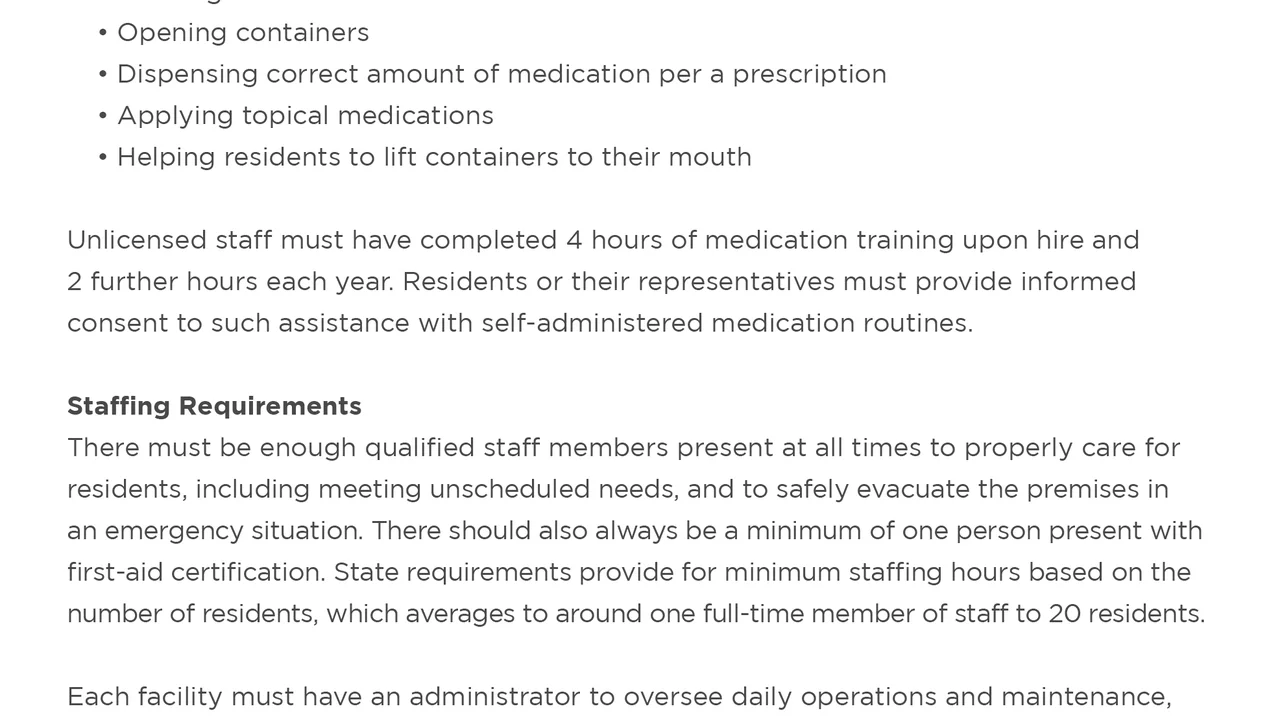
- Medication Management: Staff assistance with medication reminders, administration, and coordination with pharmacies.
- Meal Services: Three nutritious meals a day, often with dietary accommodations and snacks. Many facilities offer restaurant-style dining.
- Housekeeping and Laundry: Regular cleaning of living spaces and laundry services to ease daily burdens.
- Transportation: Scheduled transportation for appointments, shopping, and social outings.
- Social and Recreational Activities: A robust calendar of activities designed to promote physical, mental, and social engagement, such as exercise classes, games, crafts, and outings.
- 24-Hour Supervision and Security: Staff available around the clock to ensure safety and respond to emergencies.
- Emergency Call Systems: In-room or wearable devices for residents to call for assistance.
- Wellness Programs: Access to fitness centers, therapy services (physical, occupational, speech), and health monitoring.
Beyond these core services, many Florida ALFs offer additional amenities like beauty salons, libraries, computer labs, swimming pools, and even pet-friendly accommodations. Some facilities specialize in certain areas, such as memory care for residents with Alzheimer's or other dementias, or offer specific cultural programs.
Types of Assisted Living Communities in Florida Exploring Your Options
Florida's assisted living landscape is diverse, offering various types of communities to suit different needs and preferences. Understanding these distinctions can help you narrow down your search.
Residential Care Homes vs Larger Assisted Living Facilities in Florida
When considering assisted living in Florida, you'll encounter two main types of settings:
- Residential Care Homes (or Adult Family Care Homes): These are smaller, more intimate settings, often located in residential neighborhoods. They typically care for a smaller number of residents (usually 3-6), providing a more home-like environment and a higher staff-to-resident ratio. This can be ideal for seniors who prefer a quieter, more personalized approach to care.
- Larger Assisted Living Facilities: These are purpose-built communities that can house dozens or even hundreds of residents. They often offer a wider range of amenities, more extensive activity programs, and a more structured environment. These facilities can be a good fit for seniors who enjoy a bustling social scene and access to numerous services.
Specialized Assisted Living Options in Florida Memory Care and More
Many assisted living facilities in Florida offer specialized programs or dedicated units for specific needs:
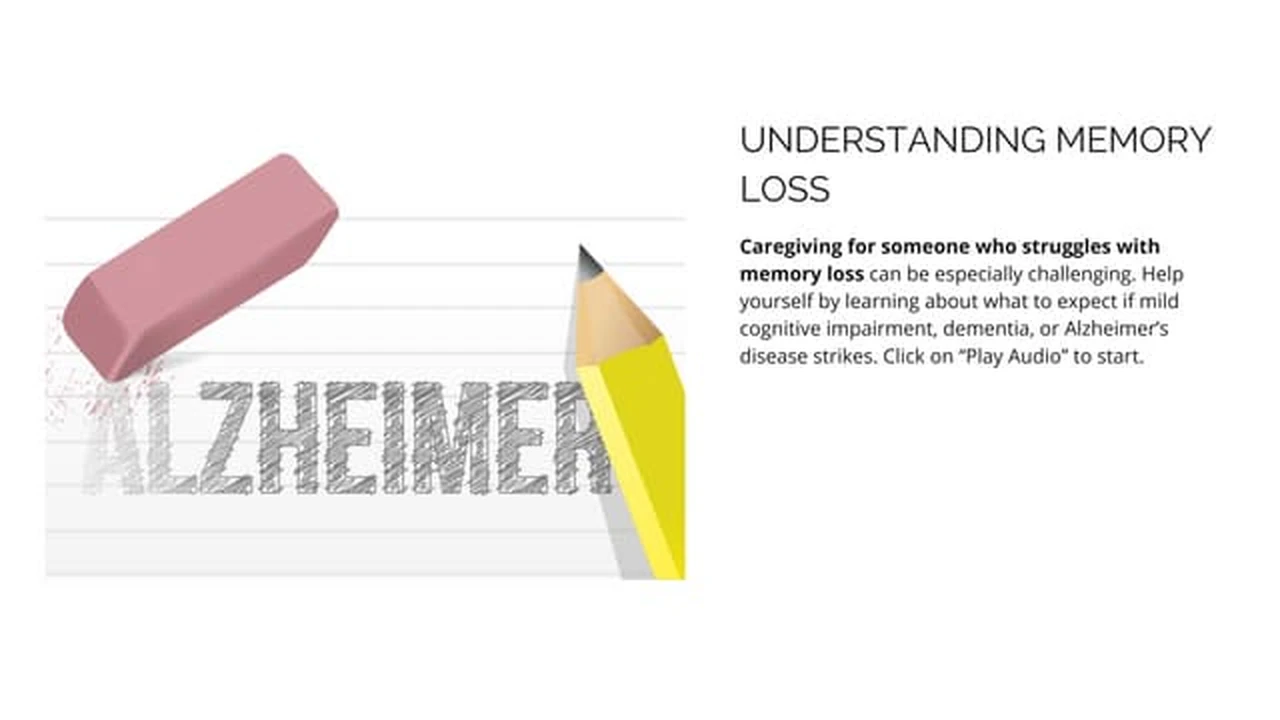
- Memory Care Units: These are secure environments designed for residents with Alzheimer's disease or other forms of dementia. They offer specialized programming, trained staff, and a layout that minimizes confusion and promotes safety.
- Continuing Care Retirement Communities (CCRCs): While not strictly assisted living, many CCRCs in Florida include assisted living as part of a continuum of care. Residents can transition between independent living, assisted living, and skilled nursing care within the same community as their needs change.
- Faith-Based or Cultural Communities: Some ALFs cater to specific religious or cultural groups, offering services and activities that align with those traditions.
Choosing the Right Assisted Living Facility in Florida A Step-by-Step Guide
Selecting an assisted living facility is a significant decision. Here's a guide to help you navigate the process in Florida:
Assessing Needs and Preferences for Florida Senior Care
Before you start looking, clearly define what you or your loved one needs. Consider:
- Level of Care: How much assistance is needed with ADLs? Is memory care required?
- Budget: What is the realistic financial range for monthly costs?
- Location: Do you prefer a facility close to family, in a specific city, or near certain amenities?
- Lifestyle: What kind of social environment is preferred? Active and bustling, or quiet and intimate?
- Amenities: Are there specific amenities that are 'must-haves' (e.g., pet-friendly, swimming pool, specific therapies)?
Researching and Shortlisting Florida Assisted Living Communities
Once you have a clear idea of your needs, begin your research:
- Online Directories: Websites like A Place for Mom, Caring.com, and SeniorAdvisor.com offer extensive listings of Florida ALFs, along with reviews and ratings.
- Local Senior Resources: Your local Area Agency on Aging (AAA) or senior centers can provide lists of licensed facilities and valuable advice.
- Referrals: Ask friends, family, doctors, or social workers for recommendations.
- AHCA Website: The Florida Agency for Health Care Administration website allows you to search for licensed facilities and view their inspection reports and complaint history. This is a crucial step for due diligence.
Touring and Evaluating Florida Assisted Living Facilities Key Questions to Ask
Once you have a shortlist, schedule tours. During your visits, pay close attention to the atmosphere, cleanliness, and staff interaction. Here are some essential questions to ask:
- Licensing and Accreditation: Is the facility properly licensed by AHCA? Are there any recent violations?
- Staffing: What is the staff-to-resident ratio? What are their qualifications and training, especially for memory care? Is there 24/7 nursing staff available?
- Care Plans: How are individual care plans developed and updated? How often are residents reassessed?
- Activities: What is the daily activity schedule like? Are there options for various interests and abilities?
- Meals: Can you review a sample menu? Are dietary restrictions accommodated? Can you dine with residents?
- Safety and Security: What emergency procedures are in place? How is medication managed? Are exits secure, especially in memory care?
- Costs: Get a detailed breakdown of all costs, including base fees, levels of care charges, and any additional fees. Understand the billing structure.
- Resident Rights: What are the resident rights and how are they upheld?
- Resident Feedback: Can you speak with current residents or their families?
Cost of Assisted Living in Florida Understanding the Financial Landscape
The cost of assisted living in Florida can vary significantly based on location, the level of care required, the type of facility, and the amenities offered. It's crucial to understand these costs and explore funding options.
Average Monthly Costs for Assisted Living in Florida Regional Variations
According to the Genworth Cost of Care Survey, the median monthly cost for assisted living in Florida is around $4,000 to $4,500. However, this can fluctuate widely:
- Higher Costs: Areas like Naples, Miami, and Fort Lauderdale tend to have higher median costs, often exceeding $5,000 per month.
- Lower Costs: More rural areas or cities in the panhandle might have median costs closer to $3,500-$4,000.
These costs typically cover rent, meals, basic personal care, housekeeping, and activities. Additional services, such as extensive medication management, specialized memory care, or one-on-one assistance, will incur extra charges.
Funding Options for Assisted Living in Florida Navigating Payment
Paying for assisted living can be a concern for many families. Here are common funding sources in Florida:
- Private Pay: The most common method, using personal savings, pensions, and retirement funds.
- Long-Term Care Insurance: Policies specifically designed to cover the costs of long-term care, including assisted living. Review your policy carefully to understand coverage limits and waiting periods.
- Veterans Benefits: The Aid and Attendance program through the Department of Veterans Affairs can provide financial assistance to eligible veterans and their surviving spouses to help pay for assisted living.
- Medicaid (State of Florida): Florida's Statewide Medicaid Managed Care Long-Term Care (SMMC-LTC) program can help cover the costs of assisted living for eligible low-income seniors who meet specific medical and financial criteria. This is not an entitlement program, and there can be waiting lists.
- Bridge Loans: Short-term loans designed to cover assisted living costs while waiting for other funding sources (like a home sale or VA benefits) to become available.
- Reverse Mortgages: For homeowners, a reverse mortgage can convert home equity into cash, which can then be used to pay for assisted living.
- Life Insurance Conversion: Some life insurance policies can be converted into a long-term care benefit plan.
Florida Assisted Living Regulations and Resident Rights What You Need to Know
Florida has specific regulations in place to protect residents of assisted living facilities. Understanding these can empower you and your loved one.
Florida Agency for Health Care Administration AHCA Oversight
The Florida Agency for Health Care Administration (AHCA) is responsible for licensing and regulating assisted living facilities in the state. They conduct inspections, investigate complaints, and ensure facilities comply with state laws and standards. You can access inspection reports and complaint histories on their website, which is an invaluable resource during your search.
Resident Rights in Florida Assisted Living Facilities Protecting Your Loved One
Florida law outlines a comprehensive set of rights for assisted living residents, including:
- The right to be treated with dignity and respect.
- The right to privacy.
- The right to manage one's own financial affairs.
- The right to participate in care planning.
- The right to receive adequate and appropriate health care.
- The right to be free from abuse, neglect, and exploitation.
- The right to voice grievances without fear of reprisal.
Facilities are required to provide residents with a written statement of these rights upon admission.
Recommended Products and Services for Florida Assisted Living Residents Enhancing Quality of Life
Beyond the core services of an ALF, several products and services can further enhance the quality of life and safety for residents, or assist families in managing care.
Technology Solutions for Senior Safety and Communication in Assisted Living
Technology plays an increasingly important role in senior care. Here are a few examples:
- Medical Alert Systems: Devices like Life Alert or Philips Lifeline offer immediate access to help in emergencies. They typically consist of a wearable button (pendant or wristband) that connects to a 24/7 monitoring center. Some advanced models include fall detection. Prices range from $20-$50 per month, with some offering one-time equipment fees. These are great for residents who are mobile but at risk of falls.
- Smart Speakers with Voice Assistants: Devices like Amazon Echo (Alexa) or Google Nest Hub can be incredibly useful. They can set medication reminders, play music, make hands-free calls to family, and even control smart home devices (if the facility allows). The Echo Dot starts around $50, and the Nest Hub around $100. They are ideal for residents who enjoy staying connected and need reminders.
- Video Calling Devices: Dedicated devices like the GrandPad tablet or simply using a tablet with FaceTime/Zoom can help residents stay connected with family, especially those who are not tech-savvy. The GrandPad is designed specifically for seniors, with large buttons and simplified interfaces, costing around $60-$70 per month for service. Regular tablets range from $100-$500. These are perfect for maintaining family bonds and reducing feelings of isolation.
Comfort and Mobility Aids for Florida Assisted Living Residents
To enhance comfort and mobility within the assisted living environment:
- Comfortable Recliner Lift Chairs: Brands like La-Z-Boy or Golden Technologies offer power lift recliners that assist seniors in standing up, reducing strain and fall risk. Prices typically range from $800 to $2,000. These are excellent for residents with mobility challenges or those recovering from surgery.
- Rollators with Seats: A rollator, such as the Drive Medical Rollator or Medline Lightweight Rollator, provides stable support for walking and includes a built-in seat for resting. They are lightweight and foldable, costing between $70 and $200. Ideal for residents who need walking assistance but also appreciate the ability to rest frequently.
- Adaptive Clothing: Companies like Silverts Adaptive Clothing specialize in clothing designed for ease of dressing, especially for individuals with limited mobility or those who need assistance from caregivers. Features include magnetic closures, open-back designs, and elastic waistbands. Prices vary by item, but a shirt might be $30-$50. This helps maintain dignity and simplifies the dressing process.
Personalized Services and Activities for Florida Seniors in Assisted Living
While facilities offer activities, personalized services can add an extra layer of engagement:
- Personal Concierge Services: Some companies offer services where a dedicated individual can assist with errands, appointment scheduling, or simply provide companionship. Costs can vary widely, from $30-$100 per hour, depending on the service and location. This is great for residents who desire more personalized attention or have specific needs outside the facility's scope.
- Mobile Hair and Nail Services: Many areas have mobile beauticians who can visit residents in their rooms, providing hair styling, manicures, and pedicures. This offers convenience and a touch of pampering. Prices are comparable to salon services, typically $30-$70 per visit.
- Personalized Hobby Kits: For residents with specific interests, creating personalized kits for painting, knitting, puzzles, or reading can be very engaging. These can be assembled by family members or purchased from specialty stores. Costs vary depending on the hobby. This encourages continued engagement in beloved pastimes.
Making the Transition to Assisted Living in Florida Supporting Your Loved One
The move to assisted living can be an emotional and challenging time for both seniors and their families. Thoughtful planning and support can make the transition smoother.
Preparing for the Move to a Florida Assisted Living Community Practical Tips
Practical steps can ease the physical and emotional burden of moving:
- Downsizing: Help your loved one sort through belongings, deciding what to keep, donate, or give to family. Focus on bringing familiar and comforting items to their new space.
- Personalizing the Space: Encourage decorating their new room with cherished photos, familiar furniture, and personal mementos to make it feel like home.
- Creating a Schedule: Establish a routine quickly, encouraging participation in activities and meal times to help them adjust to the new environment.
Emotional Support and Adjustment Strategies for Florida Seniors
Emotional support is paramount during this period:
- Open Communication: Maintain open and honest conversations about their feelings and concerns. Validate their emotions.
- Frequent Visits: Especially in the initial weeks, frequent visits from family and friends can provide comfort and reassurance.
- Encourage Engagement: Gently encourage participation in facility activities and social events to help them build new friendships and routines.
- Patience: Adjustment takes time. Be patient and understanding as your loved one adapts to their new home and lifestyle.
Choosing assisted living in Florida is a journey that requires careful consideration, thorough research, and a compassionate approach. By understanding the options, costs, regulations, and available support, you can make an informed decision that ensures your loved one receives the best possible care and enjoys a fulfilling life in the Sunshine State.
:max_bytes(150000):strip_icc()/277019-baked-pork-chops-with-cream-of-mushroom-soup-DDMFS-beauty-4x3-BG-7505-5762b731cf30447d9cbbbbbf387beafa.jpg)